How to Choose a Mini Excavator Dealer for Long-Term Cooperation
A reliable mini excavator dealer does more than sell a machine. The right dealer helps buyers select suitable equipment, confirms local compliance requirements, supplies replacement parts and provides support throughout the machine’s service life. For contractors, rental companies and equipment owners, these services can be more valuable than a low initial price.
What Should a Professional Mini Excavator Dealer Provide?
A professional dealer should first understand the customer’s actual working conditions. Excavation depth, access width, ground conditions, attachment requirements and transport restrictions all affect machine selection. Instead of recommending one model to every buyer, an experienced dealer compares available configurations and explains the practical differences.
Product information should also be clear and verifiable. Buyers should request the latest specification sheet, available engine options, compatible attachments, warranty terms and maintenance requirements. Compliance documents must be confirmed for the selected model and destination market rather than assumed to cover an entire product range.
Parts and Service Matter After the Sale
Mini excavators often work on construction sites, farms, landscaping projects and utility jobs where downtime can delay the entire project. Before placing an order, ask the dealer whether filters, seals, hoses, pins, bushings and other common service parts are available.
A dependable mini excavator dealer should also explain the parts-ordering process, technical response times and warranty claim procedure. Dealers with trained service staff or access to manufacturer support can diagnose problems faster and help owners plan preventive maintenance.
Check Inventory, Delivery and Attachment Support
Some dealers hold machines and common attachments locally, while others import according to confirmed orders. Both approaches can work, but the buyer should understand the estimated delivery schedule, freight arrangement and unloading responsibilities.
Attachment availability is another important consideration. Buckets, hydraulic breakers, augers, grapples and grading tools can expand the machine’s earning potential. Buyers should verify hydraulic and mounting compatibility before ordering rather than relying only on general attachment descriptions.
Evaluating a RIPPA Mini Excavator Dealer
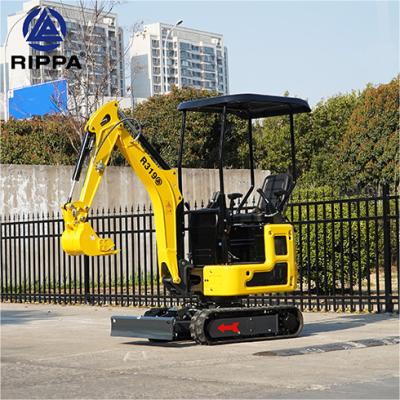
RIPPA works with machinery businesses serving contractors, rental fleets and equipment users in different markets. A prospective buyer can contact an authorized sales channel to discuss application needs, available models, parts support and regional purchasing arrangements. All specifications and compliance documents should be checked against the exact machine configuration before purchase.
Selecting a mini excavator dealer should be based on service capability, parts access, transparent information and long-term support. A dealer that understands both the equipment and the local market can reduce purchasing risk and help customers obtain greater value throughout the ownership cycle.