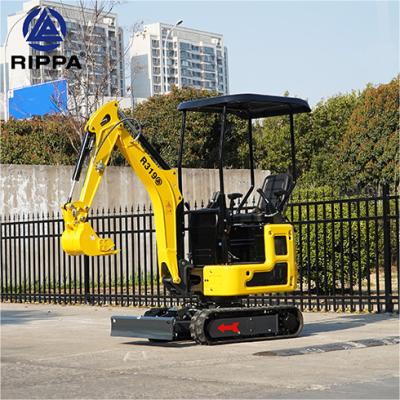
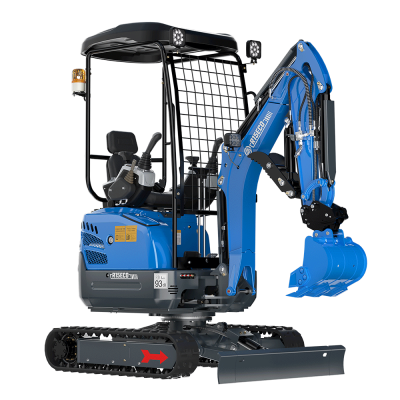
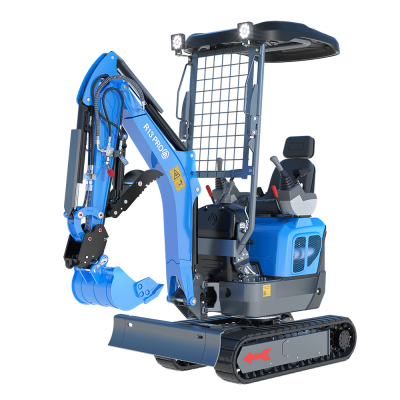
Mini Excavator Distributor Opportunities for Growing Equipment Markets
Becoming a mini excavator distributor can help an established machinery business expand into construction, landscaping, agriculture and property-maintenance markets. Success, however, depends on more than importing machines. Distributors need an appropriate product mix, local service capacity, inventory planning and a manufacturer that can support continued market development.
Why Mini Excavators Offer Distributor Potential
Compact excavation equipment serves a broad range of customers. Contractors use it for trenching, foundations and utility work, while farms and landscaping companies use it for drainage, planting, material handling and site preparation. Rental companies can also offer mini excavators to customers who need flexible equipment for short-term projects.
This varied demand allows a distributor to serve several customer groups instead of relying on one industry. Attachments can create additional revenue because one machine may perform digging, breaking, drilling, grabbing or grading work when correctly equipped.
Build a Product Range Around Local Demand
A distributor should study local jobs before selecting inventory. Dense urban areas may favor compact machines that can enter restricted sites, while agricultural regions may require greater stability, attachment versatility and straightforward maintenance.
The initial order should balance market coverage with inventory risk. It is often more practical to select a focused group of machines and common attachments than to stock every available configuration. Customer feedback, quotation data and seasonal demand can then guide later orders.
What Support Should a Manufacturer Offer?
A strong distribution program should provide accurate product documents, parts identification, maintenance guidance and technical communication. Sales materials and product images may support promotion, but they cannot replace after-sales infrastructure.
Before signing an agreement, a prospective mini excavator distributor should discuss:
Order quantities and available configurations
Production and delivery schedules
Spare-parts supply and recommended stock
Warranty responsibilities and claim procedures
Technical training and marketing support
Territory arrangements and performance expectations
These points should be documented clearly to prevent misunderstandings as sales grow.
Developing a Market with RIPPA
RIPPA supplies compact construction equipment and works with dealers, importers and machinery businesses in international markets. Potential partners can discuss product positioning, order planning, attachment needs, parts preparation and available cooperation arrangements. Machine specifications and certifications must be confirmed for each model and destination.
A successful mini excavator distributor combines factory resources with local knowledge. Businesses that invest in demonstrations, customer education, spare parts and responsive service are better positioned to earn repeat orders and build a sustainable equipment brand in their region.