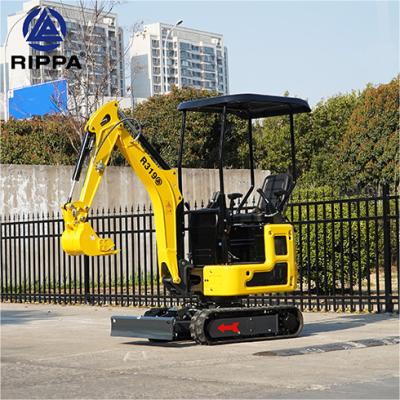
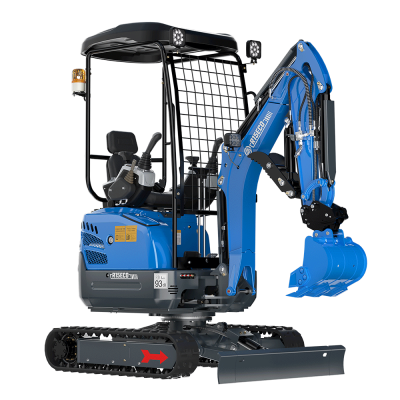
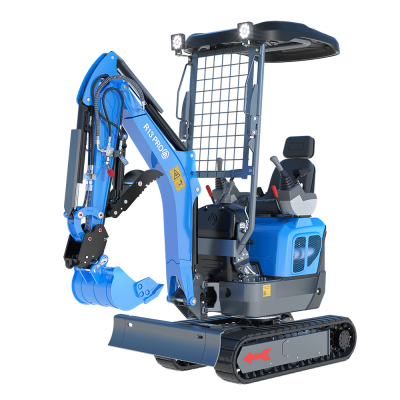
How to Compare a Mini Excavator Dealership Program Before Signing
A mini excavator dealership can create recurring revenue through machine sales, attachments, parts, and service, but the agreement must fit the dealer’s territory and resources. Before signing an excavator dealer program, compare channel rules, commercial expectations, inventory requirements, sales support, service obligations, and exit terms in writing.
Review Territory and Sales Channel Rules
Ask whether the territory is exclusive, conditional, or non-exclusive. If protection depends on annual purchases or sales targets, those conditions should be measurable. Clarify how website leads, cross-border inquiries, national accounts, and direct factory requests are assigned. Dealers should also understand whether additional partners may be appointed nearby.
Good territory planning considers population, construction activity, agriculture, rental demand, travel time, and service coverage. A large map is not always a strong opportunity if customers cannot receive timely demonstrations, delivery, or repairs. The territory should match the dealer’s practical reach.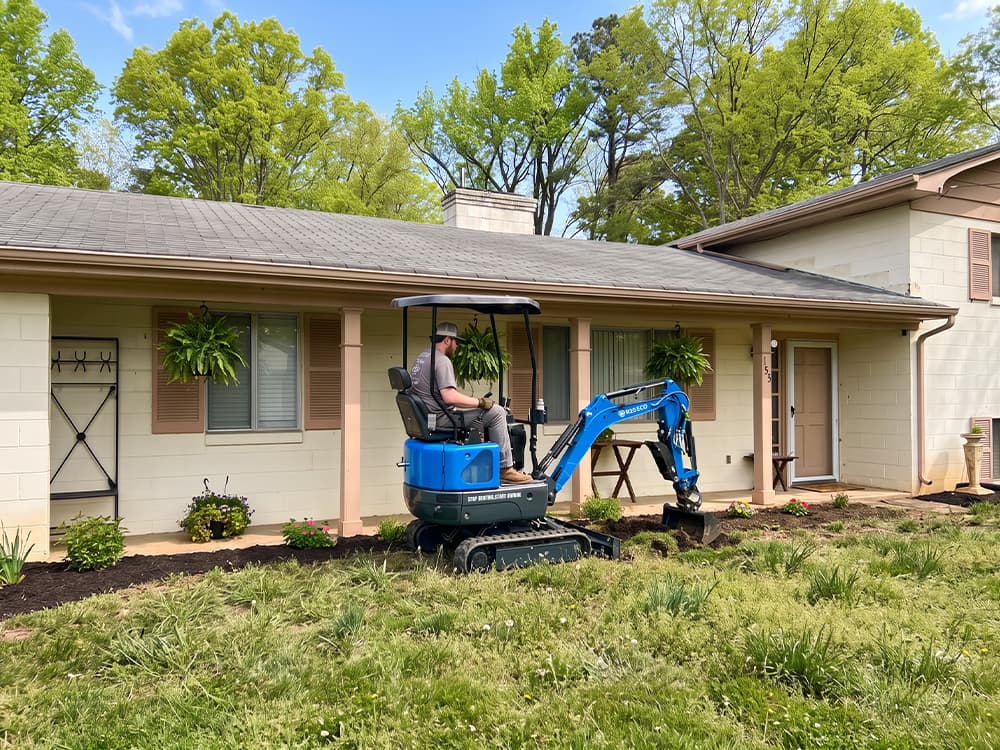
Calculate the Full Dealer Investment
The opening machine order is only part of the commitment. Budget for freight, taxes, unloading, storage, demonstration units, local promotion, technician tools, staff training, parts stock, and working capital. Estimate how long machines may remain in inventory and how seasonal demand affects cash flow.
Discuss pricing levels, recommended retail positioning, volume conditions, payment terms, and order lead times. Avoid forecasts based only on gross margin. Net profitability depends on financing cost, preparation work, warranty administration, discounts, delivery, and after-sales labor.
H2: Inspect Training, Parts, and Warranty Support
A dealership succeeds when it can solve problems locally. Review product training, parts catalogs, service documents, diagnostic escalation, warranty authorization, claim evidence, and reimbursement rules. Identify fast-moving service items and agree on a starter parts plan. Confirm how urgent parts are handled when a customer’s machine is down.
RIPPA invites qualified companies to discuss market coverage, customer groups, sales capability, service resources, and purchasing plans. Before committing to a mini excavator dealership, both parties should define what success looks like during the first year. A transparent agreement, realistic inventory, and functioning support process provide a stronger foundation than an ambitious sales target alone.