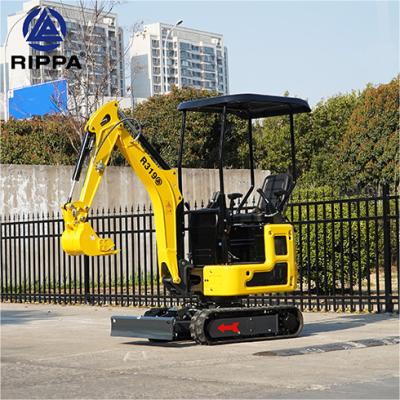
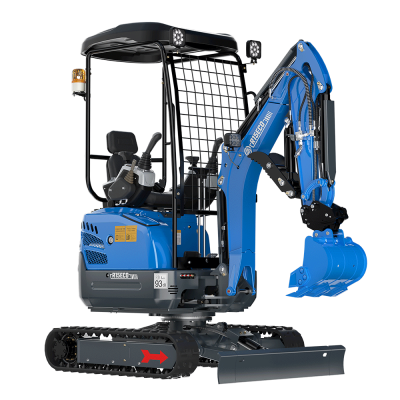
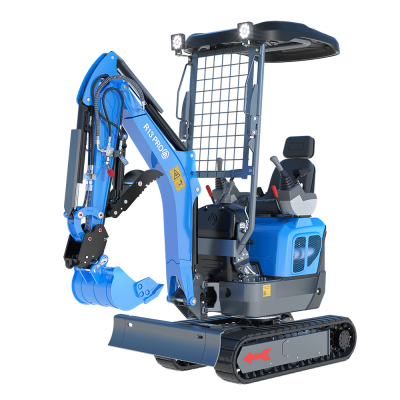
Mini Excavator Supplier Checklist for Reliable Long-Term Purchasing
A mini excavator supplier should help buyers maintain product availability, documentation, parts access, and service continuity—not merely complete a single shipment. Dealers, contractors, rental fleets, and importers can reduce purchasing risk by comparing suppliers through a consistent checklist based on application fit, communication, quality controls, logistics, and after-sales support.
Match Supply to the Actual Application
Begin with the work rather than the catalog. Consider access width, ground conditions, transport method, digging tasks, attachment use, operator experience, and daily workload. A small excavator supplier should ask these questions before recommending a model. If the discussion moves directly to price without understanding the job, the final configuration may be difficult to sell or operate effectively.
For distributors, product range must match local demand. Review likely sales, service capacity, and replenishment speed. A focused opening order is often easier to market and support than a broad assortment with little demand evidence.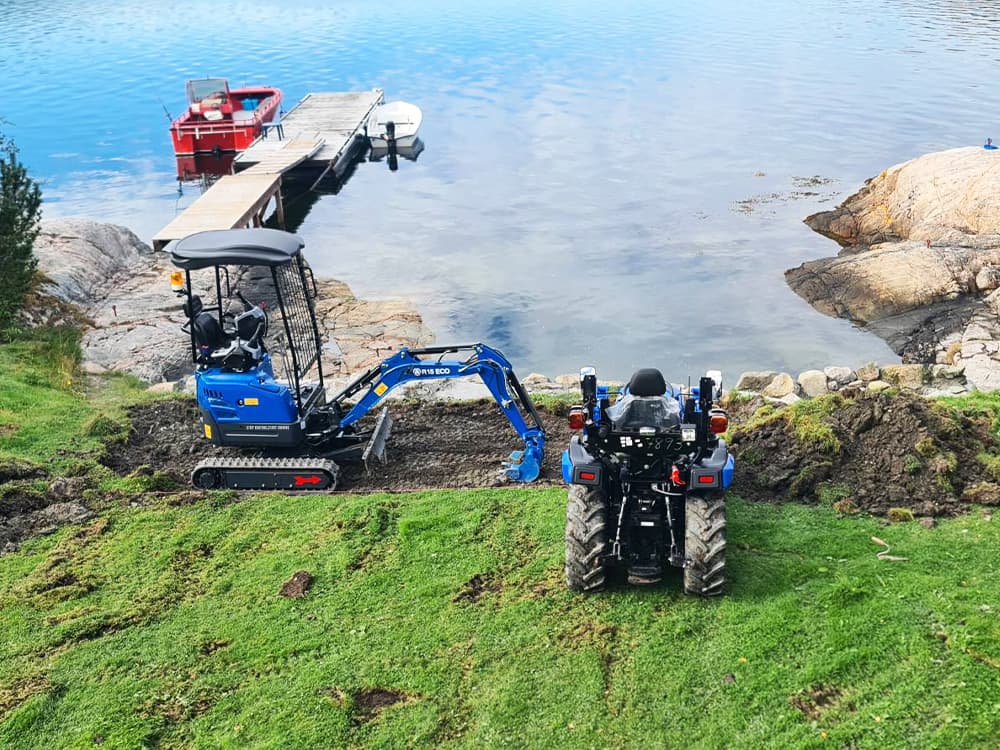
Test Communication Before the Order
Supplier performance becomes visible during the quotation stage. Look for clear answers, controlled documents, itemized inclusions, stated lead times, and consistent commercial terms. Ask how changes are approved and how production or shipping updates will be shared. Conflicting model names, unclear accessories, or shifting specifications are warning signs.
Destination requirements must be confirmed for the specific model and market. Buyers should request current documentation and independently verify local import, safety, labeling, and emissions obligations. A compact excavator supplier should be transparent about what is available and what still requires confirmation.
Compare the Support System
Ask how parts are identified, ordered, and shipped; what the warranty process requires; whether manuals and basic service guidance are available; and who handles technical escalation. For fleet and dealer buyers, downtime can cost more than the initial price difference between two offers.
RIPPA discusses product choice, attachments, purchasing plans, shipment coordination, and after-sales arrangements with international B2B customers. When selecting a mini excavator supplier, score each candidate against the same operational criteria. The stronger partner is the one that can support correct purchasing decisions repeatedly as your market and customer base grow.