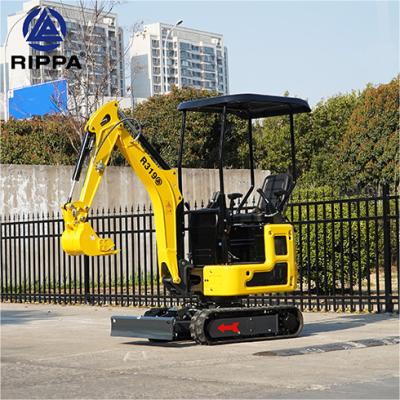
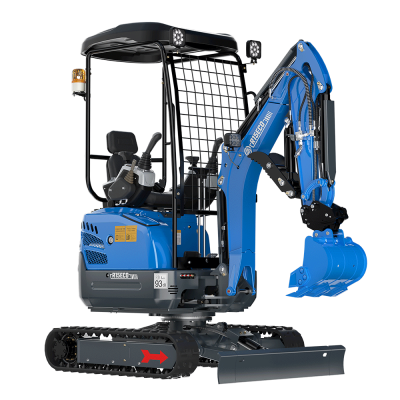
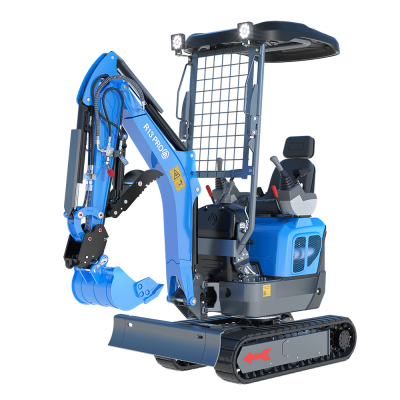
How Much Does an Excavator Cost? Complete 2026 Price Guide
If you're planning to purchase an excavator, one of the first questions you'll ask is how much does an excavator cost. The answer depends on several factors, including machine size, operating weight, engine type, hydraulic system, attachments, transportation, and whether you're buying new or used.
From compact mini excavators for landscaping to large crawler excavators for mining and infrastructure, prices vary widely. Understanding what influences excavator pricing helps buyers make informed decisions and avoid unnecessary costs.
This guide explains average excavator prices, key pricing factors, and how to choose the right machine for your budget.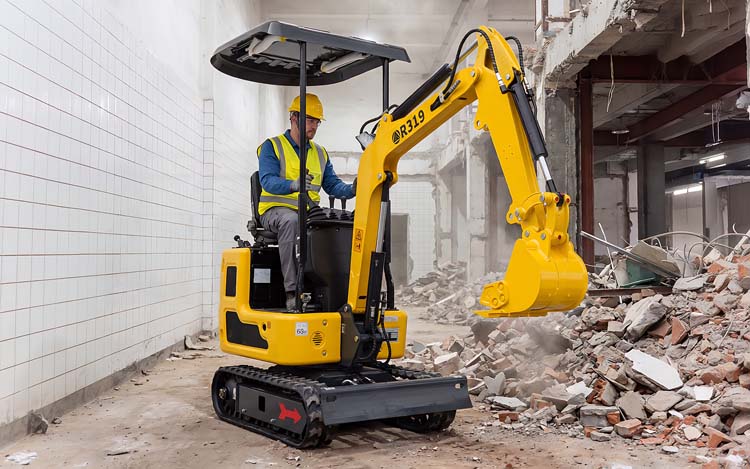
Average Excavator Prices by Machine Size
The size of an excavator has the biggest impact on cost.
| Excavator Size | Typical Applications | Estimated Price Range |
|---|---|---|
| 1 Ton Mini Excavator | Garden, residential work | Entry-level pricing |
| 2 Ton Mini Excavator | Utilities, farms | Affordable compact option |
| 3–4 Ton Excavator | Construction, landscaping | Mid-range investment |
| 5–8 Ton Excavator | Municipal projects | Higher productivity |
| 10–20 Ton Excavator | Commercial construction | Professional-grade pricing |
| 20 Ton+ Excavator | Mining, heavy earthmoving | Premium investment |
Generally, larger machines require more steel, larger engines, and stronger hydraulic systems, increasing manufacturing costs.
New vs Used Excavator Prices
Buying New
A new excavator offers:
Latest technology
Better fuel efficiency
Full manufacturer support
Improved operator comfort
Higher resale value
New machines are ideal for businesses that rely on maximum uptime.
Buying Used
Used excavators typically cost significantly less upfront but may require:
Hydraulic repairs
Track replacement
Engine maintenance
Bucket and attachment servicing
Always inspect service history before purchasing.
What Affects Excavator Prices?
Machine Weight
Heavier excavators require stronger frames, larger engines, and more hydraulic power.
Engine Brand
Premium engines often increase purchase price while improving durability and efficiency.
Hydraulic System
Advanced hydraulic systems improve precision and productivity.
Cab Features
Modern cabins may include:
Air conditioning
Suspension seats
LCD displays
Camera systems
Joystick controls
These features increase comfort and productivity.
Attachments
Optional attachments include:
Hydraulic breakers
Augers
Grapples
Rippers
Tilt buckets
Quick couplers
Each attachment adds value but also increases total cost.
Mini Excavator Costs
Mini excavators remain one of the fastest-growing equipment categories because they are:
Easy to transport
Fuel efficient
Suitable for small job sites
Lower operating costs
Ideal for rental businesses
Contractors often choose compact machines for landscaping, agriculture, utility installation, and residential construction.
Additional Ownership Costs
The purchase price is only part of the investment.
Consider:
Transportation
Heavy equipment shipping varies by destination.
Maintenance
Routine maintenance includes:
Engine oil
Hydraulic oil
Filters
Grease
Track adjustment
Insurance
Commercial equipment insurance protects your investment.
Operator Training
Proper training improves productivity while reducing repair costs.
Should You Buy or Rent?
Buying is often the better option when:
Equipment is used frequently
Long-term projects are planned
Fleet expansion is needed
Rental costs become excessive
Renting may be more economical for occasional use.
How to Get the Best Value
When comparing suppliers, consider more than the purchase price.
Look for:
Factory-direct pricing
Spare parts availability
Global shipping
Technical support
Dealer network
Machine certifications
Reliable manufacturers often deliver better long-term value.
Why Many Buyers Choose RIPPA
RIPPA manufactures compact and heavy construction equipment designed for contractors, distributors, and equipment rental companies worldwide.
Benefits include:
Multiple excavator sizes
Modern hydraulic systems
Fuel-efficient engines
Compatible attachments
International certifications
Worldwide export experience
Choosing the right model depends on your project requirements rather than simply selecting the lowest price.
Conclusion
So, how much does an excavator cost?
The answer depends on machine size, specifications, attachments, and ownership costs. By evaluating your workload, operating environment, and long-term business goals, you can select an excavator that delivers the best return on investment.
Whether you need a compact mini excavator or a heavy crawler model, purchasing from an experienced manufacturer can help maximize productivity while controlling operating costs.
FAQ
How much does a mini excavator cost?
Mini excavators generally cost much less than larger construction excavators because of their smaller size and lower operating capacity.
Is a used excavator worth buying?
Yes, provided it has been well maintained and thoroughly inspected.
What affects excavator prices the most?
Machine size, engine, hydraulic system, attachments, and manufacturer are the primary pricing factors.
Are attachments included?
Some machines include standard buckets, while specialized attachments are usually optional.