How Much Does a Mini Excavator Cost? A Complete Buyer's Guide
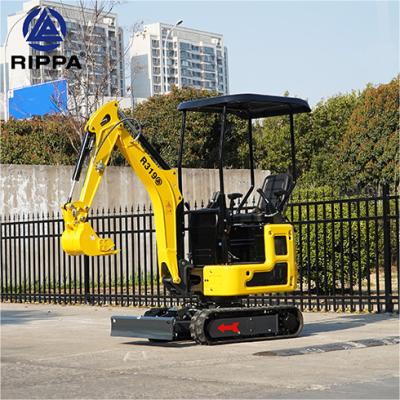
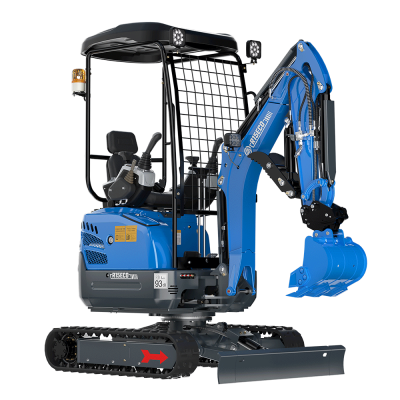
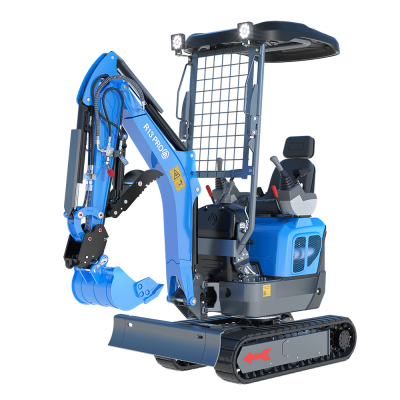
Mini excavators have become one of the most popular pieces of construction equipment worldwide. Their compact size, versatility, and lower operating costs make them ideal for landscaping, agriculture, residential construction, utility installation, and rental businesses.
A common question buyers ask is how much does a mini excavator cost. While there is no single answer, understanding the factors that influence pricing can help you select the right machine without overspending.
In this guide, we'll explain what affects mini excavator prices, compare new and used machines, discuss ownership costs, and share practical buying tips for contractors, dealers, and business owners.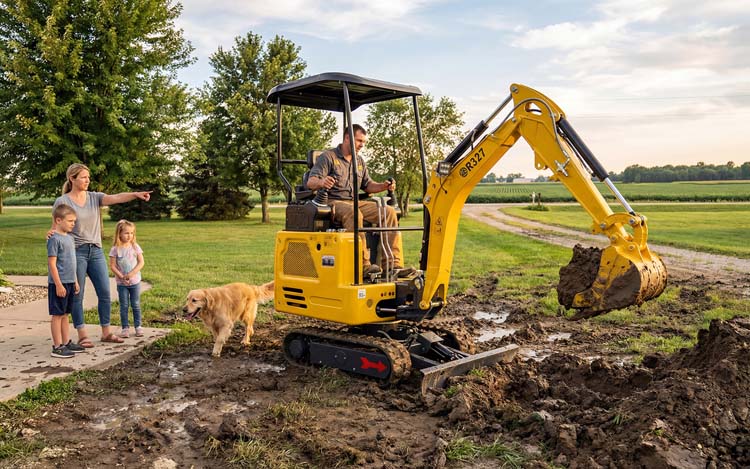
Why Mini Excavators Are Growing in Popularity
Compared with larger excavators, mini excavators are easier to transport, consume less fuel, and work efficiently in confined spaces.
They are commonly used for:
Residential construction
Landscaping projects
Farm maintenance
Utility trenching
Road repairs
Property maintenance
Tree planting
Foundation preparation
Small demolition jobs
Because they can perform a wide variety of tasks while requiring fewer operating resources, mini excavators are an excellent investment for both new and experienced contractors.
What Determines the Cost of a Mini Excavator?
The purchase price depends on several key factors rather than simply the machine's size.
Operating Weight
Mini excavators are available in multiple weight classes, from ultra-compact models designed for light landscaping to larger compact excavators capable of handling commercial construction work.
As operating weight increases, buyers typically benefit from:
Greater digging force
Increased lifting capacity
Better stability
Larger hydraulic systems
Improved productivity
These upgrades generally result in a higher purchase price.
Engine Performance
The engine is one of the most valuable components of any excavator.
Machines equipped with reliable, fuel-efficient engines often provide:
Lower fuel consumption
Reduced emissions
Longer service life
Better cold-weather starting
Improved reliability
For many contractors, engine quality has a greater long-term impact than the initial purchase price.
Hydraulic System
Hydraulic performance directly affects how efficiently a mini excavator operates.
A modern hydraulic system offers:
Faster cycle times
Smoother operation
Better attachment compatibility
Improved control precision
Higher productivity
Machines with advanced hydraulic technology often justify a higher investment because they complete jobs more efficiently.
Attachments Included
Many buyers overlook the value of attachments when comparing excavator prices.
Common attachment options include:
Standard digging bucket
Narrow trenching bucket
Hydraulic breaker
Grapple
Auger
Ripper
Quick coupler
Tilt bucket
A machine that includes multiple attachments may offer greater overall value than one with a lower initial purchase price.
New vs. Used Mini Excavators
One of the biggest purchasing decisions is whether to buy a new or used machine.
Benefits of Buying New
A new mini excavator offers several advantages:
Latest engineering improvements
Maximum operating efficiency
Minimal wear
Better fuel economy
Modern safety features
Reliable hydraulic performance
Easier financing opportunities
For businesses planning to use the machine regularly, a new excavator often delivers the best long-term return on investment.
Benefits of Buying Used
Used excavators remain popular because they reduce initial investment.
However, buyers should carefully inspect:
Engine condition
Hydraulic leaks
Bucket wear
Undercarriage condition
Service history
Swing bearing wear
Pins and bushings
Proper inspection can prevent expensive repairs later.
Hidden Costs Beyond the Purchase Price
Many first-time buyers focus only on the machine's selling price. In reality, total ownership costs should also include several ongoing expenses.
Transportation
Shipping costs depend on:
Destination
Machine size
Delivery method
International freight requirements
Planning transportation in advance helps avoid unexpected expenses.
Maintenance
Routine maintenance typically includes:
Engine oil changes
Hydraulic oil replacement
Fuel filters
Air filters
Lubrication
Track adjustment
Cooling system inspection
Preventive maintenance keeps downtime to a minimum and extends machine life.
Fuel Consumption
Fuel efficiency varies depending on:
Engine technology
Jobsite conditions
Operator habits
Machine size
Choosing an efficient machine can significantly reduce operating costs over time.
Replacement Parts
Eventually, every excavator requires replacement components.
Common wear items include:
Bucket teeth
Rubber tracks
Hydraulic hoses
Filters
Pins
Bushings
Manufacturers with reliable parts availability can reduce downtime and maintenance delays.
Choosing the Right Mini Excavator
Before making a purchase, ask yourself several important questions.
What type of work will the machine perform?
Small landscaping projects require different capabilities than commercial construction.
Will you use attachments?
If yes, verify hydraulic compatibility before purchasing.
How often will the excavator operate?
Daily use may justify investing in a higher-specification machine.
Is transportation important?
Compact machines are easier to move between jobsites.
Will the machine be rented out?
Rental businesses often prioritize durability, ease of maintenance, and operator-friendly controls.
Why Contractors Choose RIPPA Mini Excavators
RIPPA designs compact excavators for customers seeking dependable performance across a wide range of applications.
RIPPA mini excavators are widely used in:
Landscaping
Agriculture
Municipal projects
Utility installation
Residential construction
Equipment rental fleets
Key advantages include:
Compact design for confined workspaces
Efficient hydraulic systems
Comfortable operator stations
Multiple attachment options
Easy maintenance access
Factory-direct manufacturing
Global export experience
With models covering various operating weights, RIPPA offers solutions for contractors, distributors, and equipment dealers worldwide.
Tips for Getting the Best Value
Instead of choosing the lowest-priced machine, compare the complete ownership experience.
Look for manufacturers that provide:
Consistent product quality
Readily available spare parts
Technical support
Operator documentation
International certifications
Global shipping capabilities
Responsive customer service
A reliable supplier can reduce downtime and improve long-term productivity.
Conclusion
If you're asking how much does a mini excavator cost, the answer depends on much more than the purchase price alone. Machine size, hydraulic performance, engine quality, attachments, maintenance requirements, and supplier support all influence the overall value of your investment.
Whether you're expanding a construction fleet, starting a landscaping business, or purchasing equipment for agricultural work, choosing a dependable manufacturer is one of the smartest decisions you can make. By evaluating both upfront and long-term costs, you'll be better positioned to invest in a mini excavator that delivers lasting performance and productivity.
FAQ
How much does a mini excavator cost?
The cost varies depending on machine size, engine configuration, hydraulic system, included attachments, and whether the machine is new or used.
Is a new mini excavator better than a used one?
New machines generally provide greater reliability, improved efficiency, and lower maintenance requirements, while used machines can reduce initial investment if they have been properly maintained.
What is the biggest factor affecting mini excavator cost?
Operating weight, engine quality, hydraulic performance, and included attachments are among the most significant pricing factors.
Are mini excavators suitable for commercial construction?
Yes. Larger mini excavators are widely used for residential construction, utility work, landscaping, municipal projects, and light commercial applications.