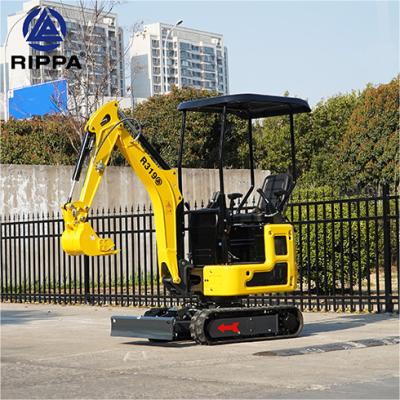
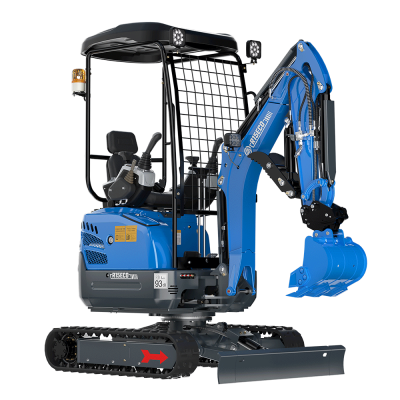
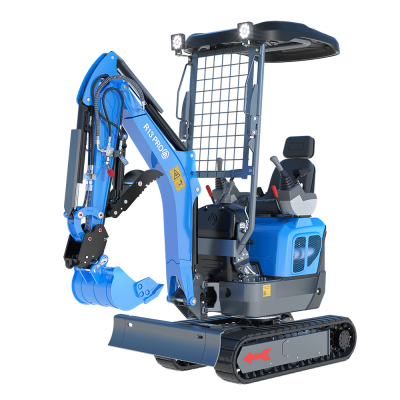
Mini Excavator Dealer vs. Factory Direct Supplier: What’s the Difference?
When looking for a mini excavator dealer, buyers usually have two main sourcing options: purchase from a local equipment dealer or buy directly from a manufacturer.
Both models are common in the construction equipment market, but they are built around different purchasing processes.
A local dealer can provide access to equipment in the buyer's market, while a factory direct mini excavator supplier connects the buyer more closely with the manufacturer and production process.
For contractors, rental companies, equipment dealers, and importers, understanding this difference can make it easier to choose a purchasing channel that matches the business.
What Is a Mini Excavator Dealer?
A mini excavator dealer purchases equipment from a manufacturer or distributor and sells it to customers in a specific market.
Depending on the dealer, services may include:
Equipment sales
Local delivery
Parts
Maintenance
Technical support
Equipment demonstrations
Financing
The exact services vary between dealers.
For buyers who want to see a machine locally or prefer dealing with a company in their area, a local mini excavator dealer can be a convenient option.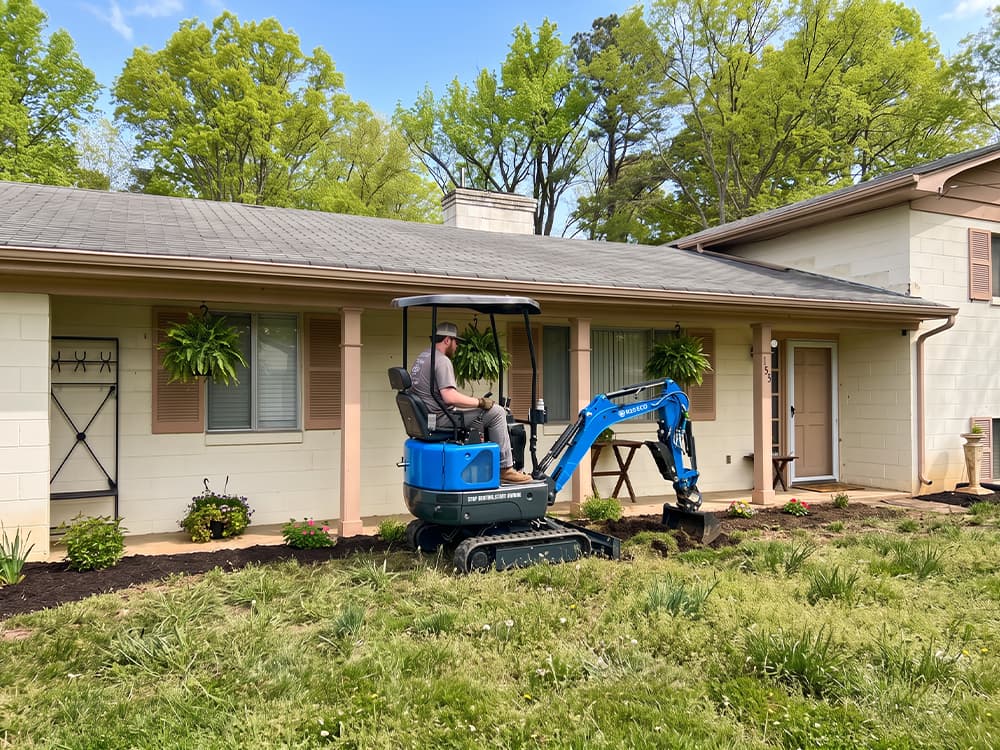
What Is a Factory-Direct Supplier?
A factory-direct supplier is a manufacturer that sells equipment directly to customers or works directly with dealers and distributors.
Instead of purchasing through a local distribution layer, the buyer communicates with the company responsible for manufacturing the equipment.
For international buyers, this model is particularly common when sourcing construction equipment from China.
A factory-direct relationship may involve discussions about:
Product selection
Wholesale orders
Production
Quality inspection
Shipping
Parts
Dealer cooperation
This makes the purchasing process different from buying a machine already sitting in a local dealer's inventory.
Local Dealer vs. Factory Direct
The two models can be compared across several areas.
| Factor | Local Mini Excavator Dealer | Factory-Direct Supplier |
|---|---|---|
| Location | Usually close to the customer | Often overseas |
| Equipment | Based on local inventory | Supplied from manufacturer |
| Communication | Local sales team | Direct factory communication |
| Purchasing | Individual or business orders | Often suited to wholesale and repeat orders |
| Shipping | Usually domestic logistics | International logistics required |
| Parts | May have local inventory | Supplied through manufacturer or distribution network |
| Dealer Cooperation | Sells to end customers | Can develop dealer relationships |
| Factory Access | Indirect | Direct |
Neither model is automatically suitable for every buyer. The better fit depends on what the business needs from the purchasing process.
When Does a Local Dealer Make Sense?
A local dealer can be useful when a buyer prioritizes local access.
For example, a contractor may want to inspect equipment before purchasing it. A rental business may need equipment delivered locally. A customer may also prefer having a nearby service provider.
Local dealers can also simplify communication about local regulations, transportation, and service.
For these customers, the convenience of a local supplier can be an important part of the purchasing decision.
When Does Factory Direct Make Sense?
Factory-direct sourcing becomes more relevant when the buyer is focused on wholesale purchasing or long-term supply.
Typical factory-direct customers may include:
Construction equipment dealers
Machinery importers
Rental companies
Regional distributors
Contractors with larger equipment requirements
Equipment wholesalers
These businesses may want to purchase multiple machines and maintain a direct relationship with the manufacturer.
Instead of asking only about one machine, they may discuss an ongoing supply plan.
Factory Direct and Wholesale Purchasing
The connection between factory direct mini excavator sourcing and wholesale purchasing is important.
A dealer importing equipment from China may want to establish a repeat ordering process.
The discussion can include:
Product Selection
The dealer can identify the types of equipment that fit the local market.
Order Planning
Future purchases can be discussed according to inventory and sales demand.
Quality Control
The buyer can communicate directly with the manufacturer about inspection procedures.
Parts
Parts ordering and supply can be discussed with the company responsible for production.
Shipping
The buyer and manufacturer can coordinate the international delivery process.
This creates a supply relationship rather than a one-time retail transaction.
What About Price?
Price is one of the reasons buyers investigate factory-direct sourcing, but the comparison should be made carefully.
A local dealer's price and a factory quotation are not necessarily directly comparable.
A local dealer may have costs associated with:
Importing equipment
Warehousing
Local transportation
Sales operations
Parts inventory
Service
Dealer facilities
A factory-direct buyer may instead be responsible for international freight, customs-related costs, local transportation, and other import expenses.
The relevant number for a business is therefore the total purchasing cost, not simply the factory quotation or dealer selling price.
Quality Control: Who Should You Talk To?
With a local dealer, the buyer normally communicates with the dealer about the equipment.
With factory-direct sourcing, the buyer can communicate directly with the manufacturer.
This can be useful for B2B buyers who want to understand:
Where the equipment is manufactured
How production is managed
How machines are inspected
What documentation is available
How pre-shipment checks are handled
For larger orders, buyers may also request inspection photos or videos before shipment.
Parts and After-Sales Support
Parts support should be considered regardless of which purchasing model you choose.
A local dealer may maintain parts locally, depending on its business model.
A factory-direct supplier may provide parts through international