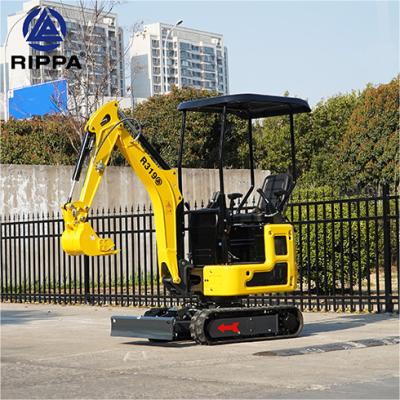
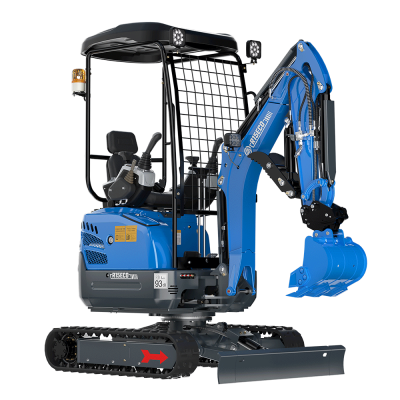
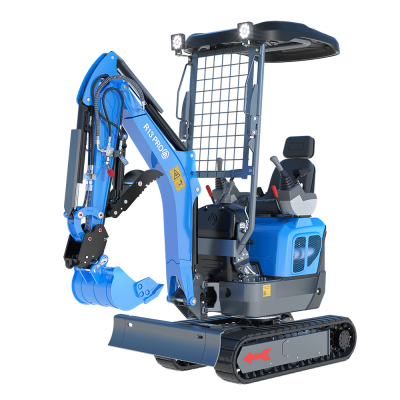
Mini Excavator Price (1–5 Ton) – Full Cost Breakdown
Mini excavators have become essential machines across construction, landscaping, agriculture, and infrastructure industries. Buyers often ask one key question before investing: how much does a mini excavator cost?
This complete 2026 mini excavator price guide breaks down pricing by machine size, ownership costs, and the factors that influence overall equipment value.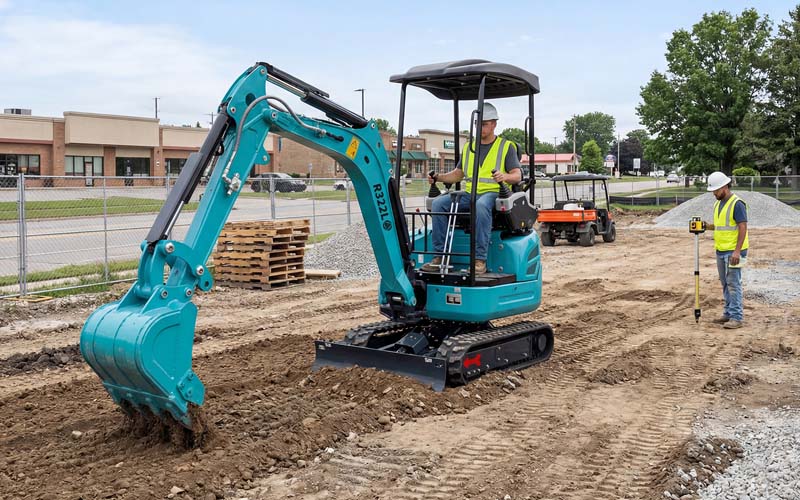
Average Mini Excavator Prices by Size
Mini excavator pricing depends on:
Operating weight
Brand reputation
Engine specifications
Hydraulic technology
Attachments included
Machine condition
Mini Excavator Price Breakdown
| Excavator Size | Average Price Range |
|---|---|
| 1 Ton | $6,000 – $15,000 |
| 1.5 Ton | $8,000 – $20,000 |
| 2 Ton | $10,000 – $28,000 |
| 3 Ton | $18,000 – $45,000 |
| 5 Ton | $35,000 – $75,000 |
Premium brands generally cost more but often provide better reliability and resale value.
Factors That Affect Mini Excavator Prices
Brand Reputation
Well-known manufacturers typically charge higher prices because they offer:
Better build quality
Advanced hydraulic systems
Reliable dealer networks
Strong resale value
Engine Performance
Fuel-efficient engines increase machine value while lowering operating expenses.
Hydraulic Technology
Advanced hydraulic systems improve:
Digging precision
Attachment efficiency
Operational smoothness
Machines with superior hydraulics are usually more expensive.
Operator Cabin Features
Enclosed cabins with:
Air conditioning
Digital displays
Adjustable seating
Noise reduction systems
increase equipment pricing significantly.
New vs Used Mini Excavator Costs
New Mini Excavators
Benefits
Manufacturer warranty
Lower repair risk
Latest emissions technology
Better fuel efficiency
Drawbacks
Higher purchase price
Faster depreciation during early ownership
Used Mini Excavators
Benefits
Lower upfront investment
Better affordability for small businesses
Risks
Hydraulic wear
Engine damage
Hidden maintenance problems
Careful inspection is critical before purchasing used equipment.
Additional Ownership Costs
Beyond the machine price, buyers should calculate long-term operating expenses.
Fuel Consumption
Fuel costs depend on:
Engine size
Machine weight
Job site conditions
Smaller excavators are generally more fuel efficient.
Maintenance Expenses
Regular servicing includes:
Hydraulic oil replacement
Engine maintenance
Track replacement
Filter changes
Transportation Costs
Larger mini excavators require:
Heavier trailers
Larger transport vehicles
Higher shipping expenses
Insurance and Taxes
Commercial operators may need:
Equipment insurance
Registration fees
Local tax compliance
Cost Comparison: 1–5 Ton Excavators
| Feature | 1–2 Ton | 3 Ton | 5 Ton |
|---|---|---|---|
| Purchase Price | Low | Moderate | High |
| Fuel Consumption | Very Low | Moderate | Higher |
| Transportation | Easy | Moderate | More Difficult |
| Digging Power | Light Duty | Medium Duty | Heavy Duty |
| Best Use | Landscaping | Construction | Commercial Projects |
Which Mini Excavator Size Offers Best Value?
1–2 Ton Models
Best for:
Landscaping
Residential work
Farm maintenance
3 Ton Models
Ideal balance of:
Power
Fuel economy
Versatility
Transportation convenience
5 Ton Models
Best suited for:
Commercial construction
Infrastructure projects
Heavy-duty excavation
Expert Buying Recommendations
Professionals recommend focusing on:
Hydraulic reliability
Dealer support
Parts availability
Fuel efficiency
Warranty protection
The cheapest machine is not always the most economical long-term investment.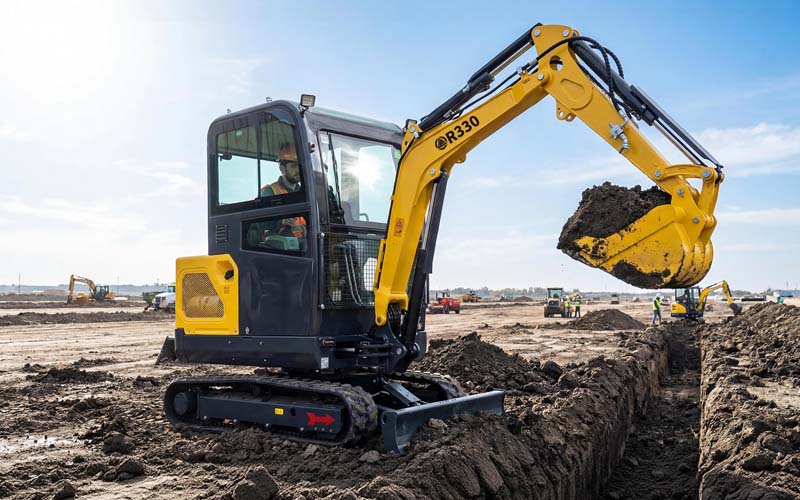
Conclusion
Mini excavator prices in 2026 vary significantly based on machine size, brand, technology, and condition. Understanding both purchase costs and long-term ownership expenses helps buyers make informed decisions.
For most contractors and small businesses, 2–3 ton mini excavators offer the best balance between affordability, operational efficiency, and versatility.
Investing in reliable equipment with strong after-sales support can reduce downtime and improve long-term profitability.