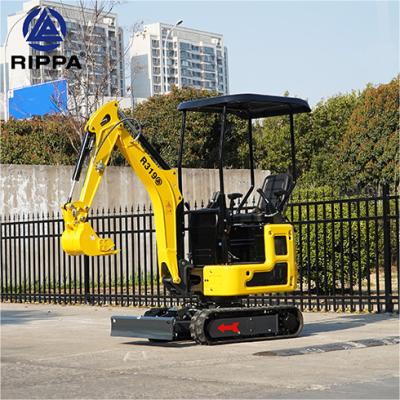
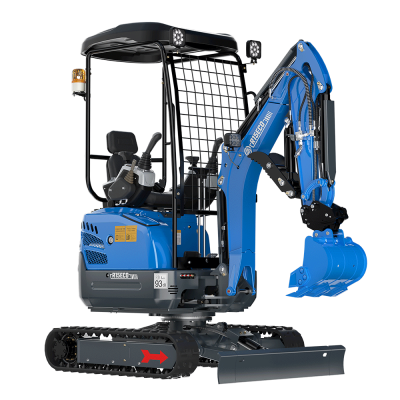
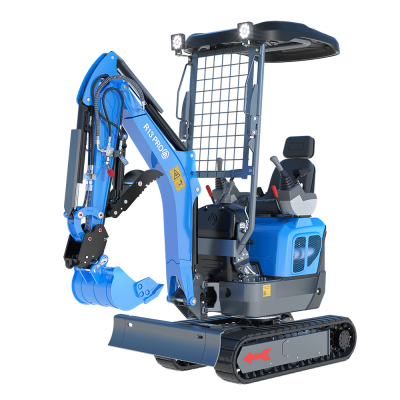
Mini Excavator Specs Explained – Weight, Power & Capacity (2026 Guide)
Understanding mini excavator specifications is essential for making the right purchasing decision. Whether you are a contractor, equipment dealer, or project manager, knowing how weight, power, and capacity affect performance will help you choose the most efficient machine for your needs.
In this guide, we break down the most important mini excavator specs in a clear, practical way—so you can evaluate different models with confidence.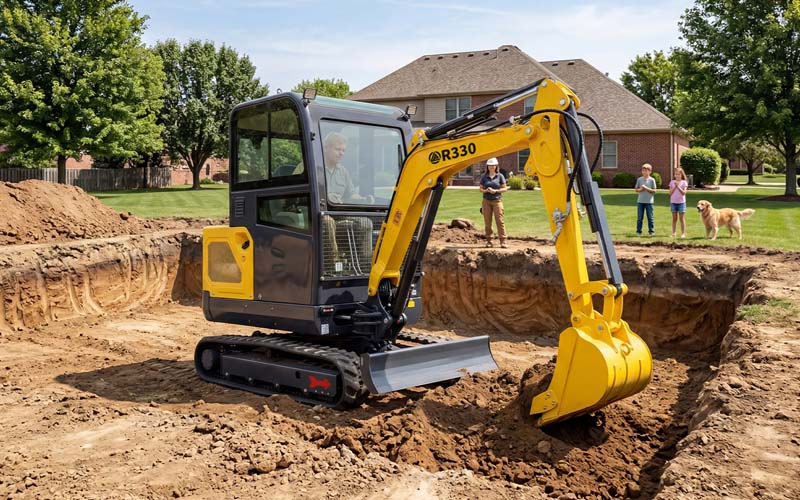
Why Mini Excavator Specifications Matter
Mini excavators may look similar on the surface, but their specifications directly impact productivity, fuel efficiency, and job site performance.
Choosing the wrong machine can lead to:
Reduced efficiency
Higher operating costs
Increased wear and tear
Limited job capabilities
That’s why understanding key specs is critical before making a purchase.
Operating Weight: The Foundation of Performance
What Is Operating Weight?
Operating weight refers to the total weight of the machine, including standard equipment, fluids, and operator.
Why It Matters
Weight determines:
Machine stability
Transport requirements
Ground impact and accessibility
Common Weight Categories
1–2 ton class: Ideal for tight spaces, landscaping, and residential work
2–4 ton class: Balanced performance for general construction
4–6 ton class: More power and stability for heavy-duty applications
Practical Tip
If your projects involve narrow access or soft ground, a lighter machine is often the better choice. For demanding excavation tasks, a heavier model provides more stability and digging force.
Engine Power: The Core of Efficiency
What Is Engine Power?
Engine power refers to the machine’s ability to generate energy for digging, lifting, and hydraulic operations.
Why It Matters
Higher power results in:
Faster digging cycles
Improved performance under load
Better efficiency in tough soil conditions
Key Considerations
Fuel efficiency vs performance balance
Emission standards (important for global markets)
Reliability for long working hours
Practical Tip
Don’t automatically choose the highest power option. Instead, match engine output to your typical workload to avoid unnecessary fuel consumption.
Hydraulic System: The Real Workhorse
While engine power is important, the hydraulic system is what actually performs the work.
What to Look For:
Smooth and responsive controls
Stable flow distribution
Compatibility with attachments
Why It Matters
A high-quality hydraulic system ensures:
Precise operation
Better attachment performance
Reduced operator fatigue
Digging Capacity: Measuring Real Productivity
Key Digging Specs Include:
Digging depth
Reach distance
Breakout force
Why It Matters
These specifications determine how effectively the excavator can:
Dig trenches
Handle heavy soil
Work at different depths
Practical Tip
If your work involves deep trenching or foundation digging, prioritize machines with greater reach and depth capabilities.
Lifting Capacity: Stability and Safety
What Is Lifting Capacity?
This refers to how much weight the excavator can safely lift and move.
Why It Matters
Important for:
Material handling
Pipe installation
Job site versatility
Key Factors Affecting Lifting Capacity:
Machine weight
Hydraulic strength
Balance and design
Attachments & Versatility
A mini excavator becomes significantly more valuable when paired with the right attachments.
Common Attachments:
Buckets (standard, trenching, grading)
Augers
Hydraulic breakers
Grapples
Why It Matters
Attachments allow one machine to perform multiple tasks, increasing ROI and reducing the need for additional equipment.
Transportation & Job Site Considerations
Before choosing a machine, consider how it will be transported and used.
Key Factors:
Trailer compatibility
Ease of loading/unloading
Job site space limitations
Compact machines are easier to move between sites, which is especially important for contractors handling multiple projects.
How to Compare Mini Excavator Specs Effectively
When reviewing different models, avoid focusing on a single specification. Instead, evaluate the overall balance:
Weight vs power
Power vs fuel efficiency
Capacity vs job requirements
Price vs long-term value
A well-balanced machine will outperform one that excels in only one area.
Common Mistakes to Avoid
Choosing based on price alone
Ignoring after-sales support
Overestimating required capacity
Overlooking operator comfort and usability
Making an informed decision ensures better performance and lower costs over time.
Conclusion
Understanding mini excavator specifications—especially weight, power, and capacity—is the key to selecting the right machine in 2026.
By focusing on real-world performance rather than just numbers, you can:
Improve job efficiency
Reduce operating costs
Maximize equipment lifespan
Whether you are expanding your fleet or entering the equipment market, a clear understanding of these specs will help you make smarter, more profitable decisions.