RIPPA Skid Steer vs. Mini Excavator: Which Machine Should You Choose?
Compact construction equipment has become the preferred choice for contractors, landscapers, farmers, municipalities, and equipment rental companies worldwide. Two of the most versatile machines on today's job sites are the RIPPA mini skid steer and the RIPPA mini excavator.
Although these machines are similar in size, they are designed for different tasks. Understanding their strengths, limitations, and ideal applications can help you invest in equipment that improves productivity while reducing operating costs.
This guide compares RIPPA skid steers and RIPPA mini excavators, covering performance, attachments, job site applications, maintenance, and buying considerations.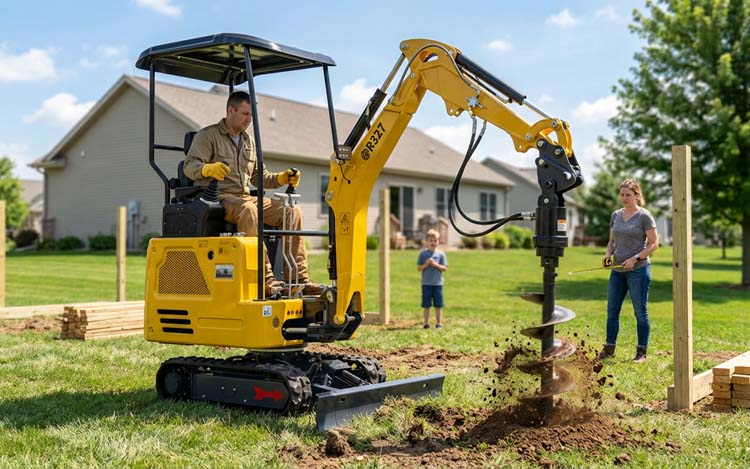
What Is a RIPPA Mini Skid Steer?
A RIPPA mini skid steer is a compact loader designed for lifting, carrying, grading, loading, and material handling. Thanks to its quick-attach system, a skid steer can switch between dozens of attachments in just a few minutes, making it one of the most versatile machines available.
Common tasks include:
Material handling
Site cleanup
Soil grading
Pallet moving
Snow removal
Landscaping
Farm maintenance
Construction support
Compared with larger loaders, a mini skid steer is easier to transport and can work in narrow spaces with minimal ground disturbance.
What Is a RIPPA Mini Excavator?
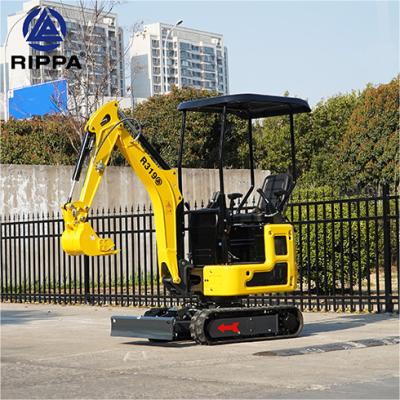
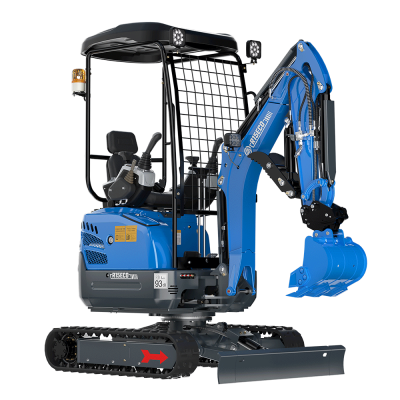
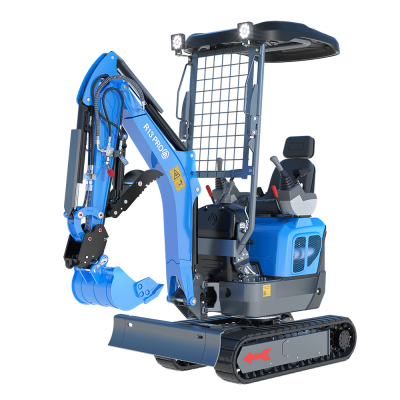
A RIPPA mini excavator is built primarily for digging, trenching, demolition, and earthmoving. With a rotating upper structure and articulated boom, it can perform excavation tasks that are difficult or impossible for a skid steer.
Typical applications include:
Foundation excavation
Utility trenching
Drainage installation
Tree planting
Small-scale demolition
Pipeline construction
Pond excavation
Agricultural drainage
Mini excavators are especially effective where precision and digging depth are required.
Key Differences Between a Skid Steer and a Mini Excavator
Although both machines are compact and highly maneuverable, they serve different purposes.
| Feature | RIPPA Mini Skid Steer | RIPPA Mini Excavator |
|---|---|---|
| Primary Function | Loading & Material Handling | Digging & Excavation |
| Best for | Carrying, grading, loading | Trenching, digging, demolition |
| Upper Structure | Fixed | 360° rotation |
| Digging Capability | Limited | Excellent |
| Material Transport | Excellent | Moderate |
| Precision Excavation | Limited | Excellent |
| Compact Space Operation | Excellent | Excellent |
Choosing between them depends on the type of work you perform most often.
When Should You Choose a RIPPA Mini Skid Steer?
A RIPPA skid steer is often the better choice when your work involves moving materials rather than excavating soil.
Ideal applications include:
Landscaping
Moving mulch
Transporting stone
Leveling soil
Installing turf
Garden construction
Agriculture
Farm owners use skid steers for:
Feeding livestock
Moving hay
Cleaning barns
Loading fertilizer
Transporting pallets
Construction Support
On construction sites, skid steers are commonly used for:
Loading trucks
Moving construction materials
Site cleanup
Concrete preparation
Debris removal
Property Maintenance
Property managers appreciate skid steers for:
Snow removal
Gravel spreading
Brush clearing
Parking lot maintenance
General maintenance work
When Is a RIPPA Mini Excavator the Better Choice?
If your projects involve excavation, a mini excavator offers clear advantages.
Typical applications include:
Utility Installation
Mini excavators create narrow trenches for:
Water lines
Electrical conduits
Fiber optic cables
Drainage systems
Residential Construction
Builders frequently use mini excavators for:
House foundations
Footings
Retaining walls
Swimming pools
Septic systems
Municipal Projects
Local governments rely on excavators for:
Sidewalk repairs
Sewer maintenance
Road improvements
Park development
Public infrastructure
Demolition
With hydraulic breakers and other attachments, excavators are ideal for breaking:
Concrete
Asphalt
Brick structures
Rock
Attachment Options
One of the biggest advantages of both machines is their ability to use specialized attachments.
RIPPA Mini Skid Steer Attachments
Popular options include:
General-purpose buckets
Pallet forks
Soil levelers
Trenchers
Sweepers
Snow blades
Grapples
Augers
These attachments transform a skid steer into a versatile job-site tool.
RIPPA Mini Excavator Attachments
Excavator attachments commonly include:
Hydraulic breakers
Augers
Grapples
Rippers
Trenching buckets
Tilting buckets
Quick couplers
Compaction plates
With the right attachment, one excavator can perform a wide range of specialized tasks.
Operating Costs
When comparing equipment, purchase price is only one factor. Long-term ownership costs are equally important.
Consider the following:
Fuel consumption
Routine maintenance
Wear parts
Attachment costs
Transportation
Operator training
Downtime
Choosing equipment that matches your daily workload often provides better long-term value than simply selecting the largest machine.
Which Machine Is Easier to Operate?
Both machines are designed with user-friendly controls, but the learning curve differs.
Mini Skid Steer
Advantages include:
Simple operation
Fast travel speed
Easy loading tasks
Excellent maneuverability
Many first-time operators become comfortable with skid steers after basic training.
Mini Excavator
Mini excavators require more coordination because operators control the boom, arm, bucket, swing, and travel functions simultaneously. However, they provide greater precision for excavation and utility work.
Which Machine Offers Better Return on Investment?
The answer depends on your business.
Choose a RIPPA mini skid steer if you primarily:
Move materials
Grade surfaces
Handle pallets
Perform landscaping
Maintain farms
Choose a RIPPA mini excavator if you mainly:
Dig foundations
Install utilities
Excavate trenches
Perform demolition
Build drainage systems
Many contractors eventually invest in both machines because they complement each other on the job site.
Why Contractors Choose RIPPA Equipment
Professionals around the world choose RIPPA because the company offers more than just equipment.
Customers benefit from:
Factory-direct manufacturing
Comprehensive product range
Global dealer network
Spare parts support
Technical assistance
Attachment compatibility
Reliable quality control
Equipment designed for demanding working environments
Whether you're purchasing your first compact machine or expanding a fleet, RIPPA provides equipment suited to a wide range of industries.
Frequently Asked Questions
Which machine is better for landscaping?
If the work involves transporting materials and grading, a RIPPA mini skid steer is an excellent choice. For digging ponds, planting trees, or installing irrigation, a RIPPA mini excavator is more suitable.
Can a skid steer dig?
A skid steer can perform light digging with the proper attachment, but it cannot match the digging depth, precision, or reach of a mini excavator.
Can both machines use augers?
Yes. Both RIPPA skid steers and RIPPA mini excavators can be equipped with auger attachments for drilling holes used in fencing, tree planting, and foundation work.
Which machine is better for rental businesses?
Both are popular rental options. Skid steers are ideal for general-purpose tasks, while mini excavators are frequently rented for excavation and utility projects.
Should I buy both?
For contractors handling diverse projects, owning both a RIPPA skid steer and a RIPPA mini excavator provides maximum flexibility and improves job-site efficiency.
Conclusion
There is no single "best" compact machine for every job. The right choice depends on your daily tasks, work environment, and long-term business goals.
A RIPPA mini skid steer excels at loading, transporting materials, grading, and property maintenance, making it a valuable asset for landscaping companies, farms, and general contractors. A RIPPA mini excavator, on the other hand, is the preferred solution for excavation, trenching, demolition, and utility installation where precision and digging performance are essential.
Many successful contractors choose to operate both machines together, using each where it performs best. This combination improves efficiency, reduces labor requirements, and expands the range of projects a business can undertake.
If you're looking for dependable compact construction equipment, explore RIPPA's full lineup of mini excavators, skid steers, loaders, and attachments. Contact RIPPA today to request product information, receive a quotation, or discuss dealership opportunities.
FAQ Schema
Q1: What is the difference between a RIPPA skid steer and a RIPPA mini excavator?
A: A skid steer is primarily designed for loading, material handling, and grading, while a mini excavator is designed for digging, trenching, demolition, and excavation.
Q2: Which machine is better for landscaping?
A: For moving soil and materials, a RIPPA mini skid steer is ideal. For digging, tree planting, and trenching, a RIPPA mini excavator is the better option.
Q3: Can RIPPA skid steers use attachments?
A: Yes. They support a variety of attachments, including buckets, pallet forks, augers, trenchers, grapples, and sweepers.
Q4: Which industries commonly use RIPPA compact equipment?
A: Construction, landscaping, agriculture, municipal engineering, property maintenance, and equipment rental businesses all use RIPPA compact equipment.
Q5: Why do contractors choose RIPPA?
A: RIPPA offers versatile equipment, attachment compatibility, global dealer support, dependable quality, and solutions designed for a wide range of professional applications.