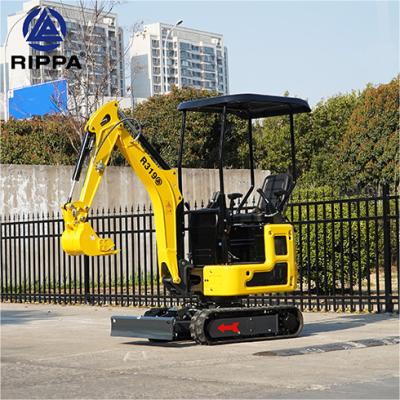
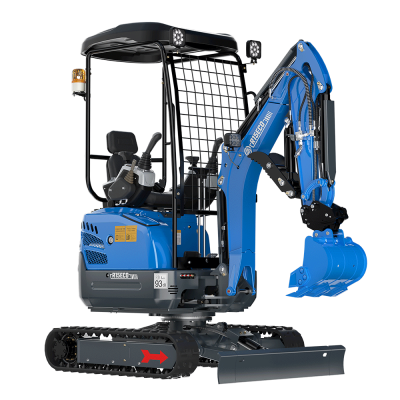
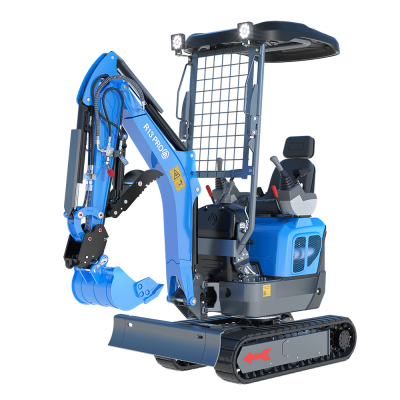
Small Excavator - How to Choose a Good Mini Excavator?
Mini excavators have become essential equipment across construction, agriculture, landscaping, and municipal engineering. With growing global demand, especially in Europe and North America, choosing the right small excavator is no longer just about price—it’s about performance, efficiency, and long-term value.
This guide will walk you through how to choose a good mini excavator based on real-world usage and professional buying criteria.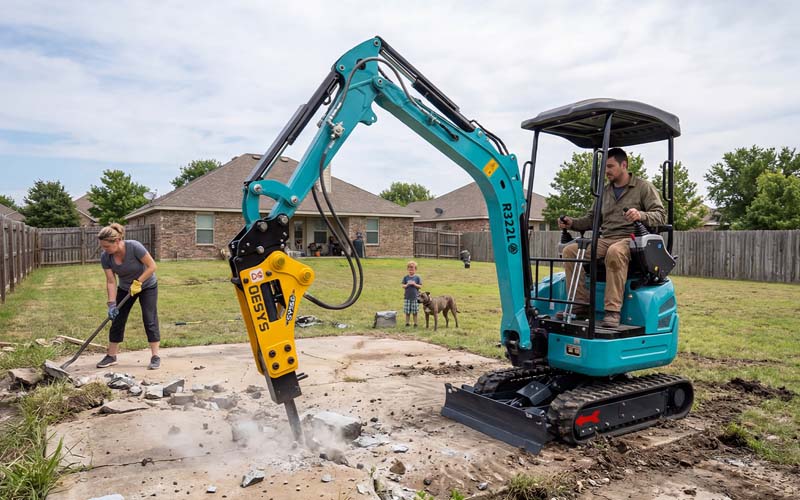
Understand Your Project Requirements First
Before selecting a mini excavator, clearly define your application:
Urban construction (tight spaces)
Farm and agricultural work
Landscaping and trenching
Light demolition
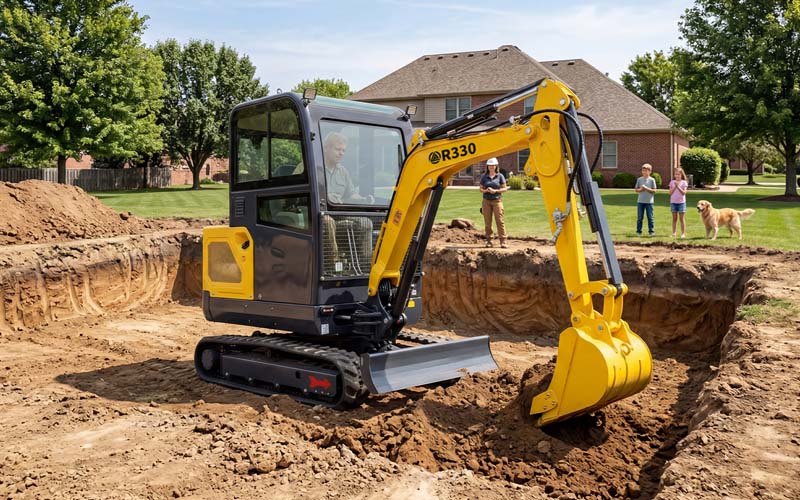
For example, a 1–2 ton mini excavator is ideal for backyard and narrow access jobs, while 3–5 ton models are better suited for commercial construction.
👉 Pro Tip: Choosing the wrong size leads to reduced efficiency and higher fuel costs.
Evaluate Engine Performance and Efficiency
A reliable engine is the heart of any excavator.
Look for:
Fuel-efficient diesel engines
Low emissions (EPA / Euro V compliance)
Stable power output
Brands like RIPPA mini excavators are equipped with high-performance engines designed for both power and fuel savings—critical for long-term ROI.
Check Hydraulic System Quality
The hydraulic system determines how smoothly and efficiently the machine operates.
Key factors:
Responsive control
Smooth operation
High digging force
A high-quality hydraulic system improves:
✔ Precision
✔ Productivity
✔ Operator comfort
Build Quality and Durability Matter
A good mini excavator should handle harsh working conditions.
Check:
Reinforced steel structure
Durable boom and arm
High-quality welding
Chinese manufacturers like RIPPA have significantly improved manufacturing standards, offering durable machines competitive with global brands.
Ease of Operation and Comfort
Operator experience directly affects productivity.
Look for:
Ergonomic controls
Comfortable seat
Simple joystick operation
Good visibility
Modern mini excavators are designed for both beginners and experienced operators.
Attachments and Versatility
A mini excavator should be multifunctional.
Common attachments include:
Augers
Breakers
Grapples
Buckets (various sizes)
👉 Machines with quick-attach systems save time and increase efficiency.
After-Sales Support and Spare Parts
This is one of the most overlooked factors.
Choose a supplier that offers:
Global parts availability
Technical support
Warranty services
Overseas warehouses
RIPPA, for example, provides international dealer support and fast spare parts delivery—important for minimizing downtime.
Price vs Value (Not Just Cheap)
Avoid choosing purely based on price.
Instead, evaluate:
Total cost of ownership
Maintenance costs
Fuel efficiency
Resale value
A slightly higher upfront cost often results in lower long-term expenses.
Why Chinese Mini Excavators Are Gaining Popularity
Chinese brands have become strong competitors due to:
Competitive pricing
Improved quality
Faster delivery
Customization options
RIPPA mini excavators, in particular, are widely exported to Europe and the U.S., offering excellent value for dealers and contractors.
Final Thoughts
Choosing a good mini excavator requires balancing performance, durability, support, and price. By understanding your needs and evaluating key components like engine, hydraulics, and build quality, you can make a smart investment.
👉 Whether you're a contractor or a dealer, selecting a reliable brand like RIPPA can significantly improve your operational efficiency and profitability.