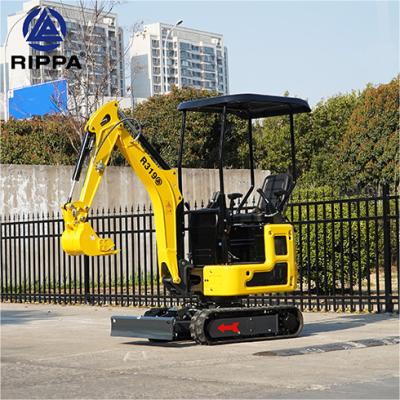
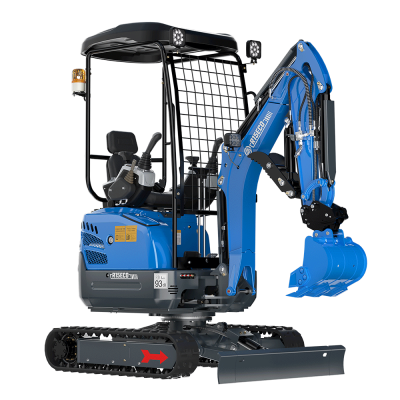
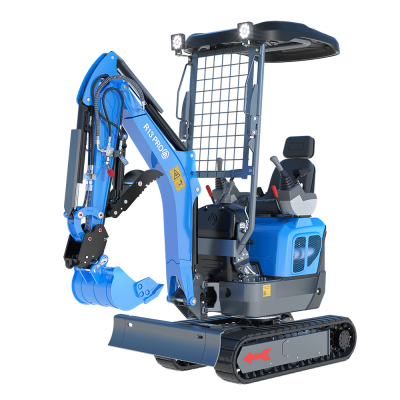
Top Construction Equipment Dealer Opportunities with Rippa
The global construction equipment industry is undergoing a structural transformation. Driven by infrastructure expansion, urbanization, agricultural mechanization, and the rapid growth of rental-based equipment usage, demand for compact machinery continues to accelerate.
For distributors and business owners, this shift creates a long-term opportunity to enter a high-demand industrial sector with stable cash flow and recurring revenue potential.
Partnering with Rippa Machinery Group allows dealers to participate in this growth cycle with a structured supply chain, diversified product portfolio, and global market support.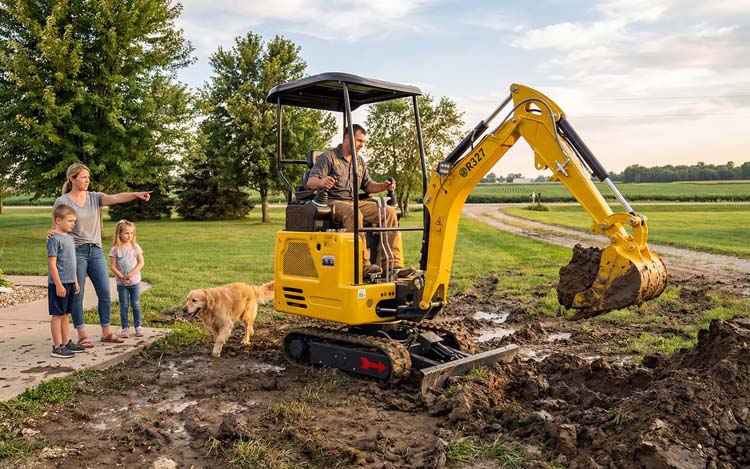
Global Infrastructure Expansion Creating Long-Term Demand
Infrastructure investment remains the strongest driver of construction equipment demand worldwide.
Key development areas include:
Highway and road expansion projects
Urban housing and commercial construction
Industrial park development
Public infrastructure renewal
Agricultural land improvement projects
Each of these sectors requires reliable compact and mid-size machinery, ensuring continuous demand for dealers across different economic cycles.
Unlike seasonal industries, construction equipment demand is long-cycle and recession-resistant, making it highly attractive for distributors.
Structural Shift Toward Compact Equipment
One of the most important industry trends is the shift from large heavy machinery to compact equipment.
This includes:
Mini excavators (1–6 ton range)
Compact skid steer loaders
Small wheel loaders
Multi-functional attachment systems
The reasons for this shift include:
Lower operating costs
Easier transportation between job sites
Reduced fuel consumption
Ability to work in narrow urban spaces
Lower maintenance requirements
This trend significantly benefits dealers, as compact equipment has:
Faster sales cycles
Higher customer turnover
Strong rental demand
Rapid Growth of Equipment Rental Industry
The global rental equipment market is expanding rapidly, especially in North America and Europe.
Rental companies prioritize:
Low downtime machines
Easy maintenance systems
High durability under continuous use
Fast spare parts availability
This creates multiple dealer opportunities:
Bulk equipment sales to rental fleets
Long-term maintenance contracts
Spare parts replacement cycles
Fleet expansion partnerships
Dealers who successfully integrate with rental companies often achieve stable recurring revenue streams.
Emerging Market Acceleration and First-Mover Advantage
Emerging economies are experiencing strong infrastructure development, particularly in:
Southeast Asia
Latin America
Africa
Eastern Europe
These markets often lack strong local equipment manufacturing capacity, creating high demand for imported machinery.
Dealer advantages in these regions include:
Faster market penetration
Less brand competition
Strong price sensitivity advantage
High demand for cost-effective machinery
Early entry into these markets often leads to long-term exclusive distribution opportunities.
High-Margin Opportunities in Compact Machinery
Compact construction equipment offers one of the most attractive margin structures in the industry.
Dealers benefit from:
Lower logistics and storage costs
High turnover rate per unit
Strong aftermarket parts demand
Repeat customer purchase cycles
With factory support from Rippa Machinery Group, dealers can maintain competitive pricing while protecting profit margins.
Dealer Territory Protection and Channel Stability
A critical factor in dealer success is avoiding internal market competition.
Rippa supports structured distribution through:
Regional dealer allocation systems
Market protection policies
Controlled channel expansion strategy
Balanced global distribution planning
This ensures that dealers can:
Invest in local marketing confidently
Build long-term customer relationships
Avoid price wars within the same territory
Multi-Sector Application Expands Customer Base
Rippa equipment is widely used across multiple industries, expanding dealer opportunities beyond construction alone:
Construction Sector
Residential building projects
Commercial infrastructure
Municipal works
Agriculture Sector
Land clearing
Farm maintenance
Irrigation development
Industrial & Logistics Sector
Material handling
Warehousing operations
Equipment transport
Rental Market
Short-term equipment leasing
Project-based machinery usage
This diversification reduces market risk and increases revenue stability.
Digitalization and Global Lead Generation Support
Modern equipment sales rely heavily on digital marketing and global visibility.
Rippa provides dealers with:
International SEO traffic support
Google and social media exposure
Product video marketing assets
Global inquiry funnel systems
This enables dealers to receive qualified leads from multiple countries, reducing dependency on local advertising budgets.
After-Sales Ecosystem and Recurring Revenue Model
Beyond equipment sales, after-sales services represent a major profit driver.
Dealer revenue streams include:
Spare parts replacement
Maintenance contracts
Repair and servicing
Equipment upgrades
Operator training services
This creates a long-term lifecycle revenue model, increasing customer lifetime value significantly.
Scalable Dealer Development Pathway
The Rippa dealer system is designed for progressive scaling:
Phase 1: Entry Stage
Focus on mini excavators
Build first customer base
Establish local market presence
Phase 2: Growth Stage
Expand into skid steer and loaders
Increase product range
Develop rental partnerships
Phase 3: Expansion Stage
Build service centers
Develop regional distribution networks
Expand into multi-country operations
This structured growth model allows both new entrants and experienced distributors to scale sustainably.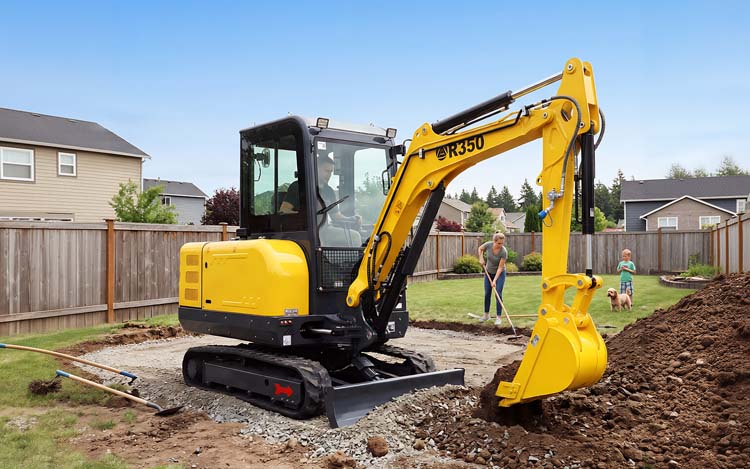
Conclusion: Why Dealer Opportunities Are Expanding in 2026
The global construction equipment industry is entering a strong growth phase driven by infrastructure investment, compact machinery demand, and rental market expansion.
Partnering with Rippa Machinery Group gives dealers access to:
High-growth international markets
Strong product competitiveness
Multi-channel revenue opportunities
Long-term scalable business structure
For distributors seeking stable industrial business growth, 2026 represents one of the most strategic entry points into the global construction equipment sector.