How to operate a skid steer for beginners?
Understanding Your Skid Steer
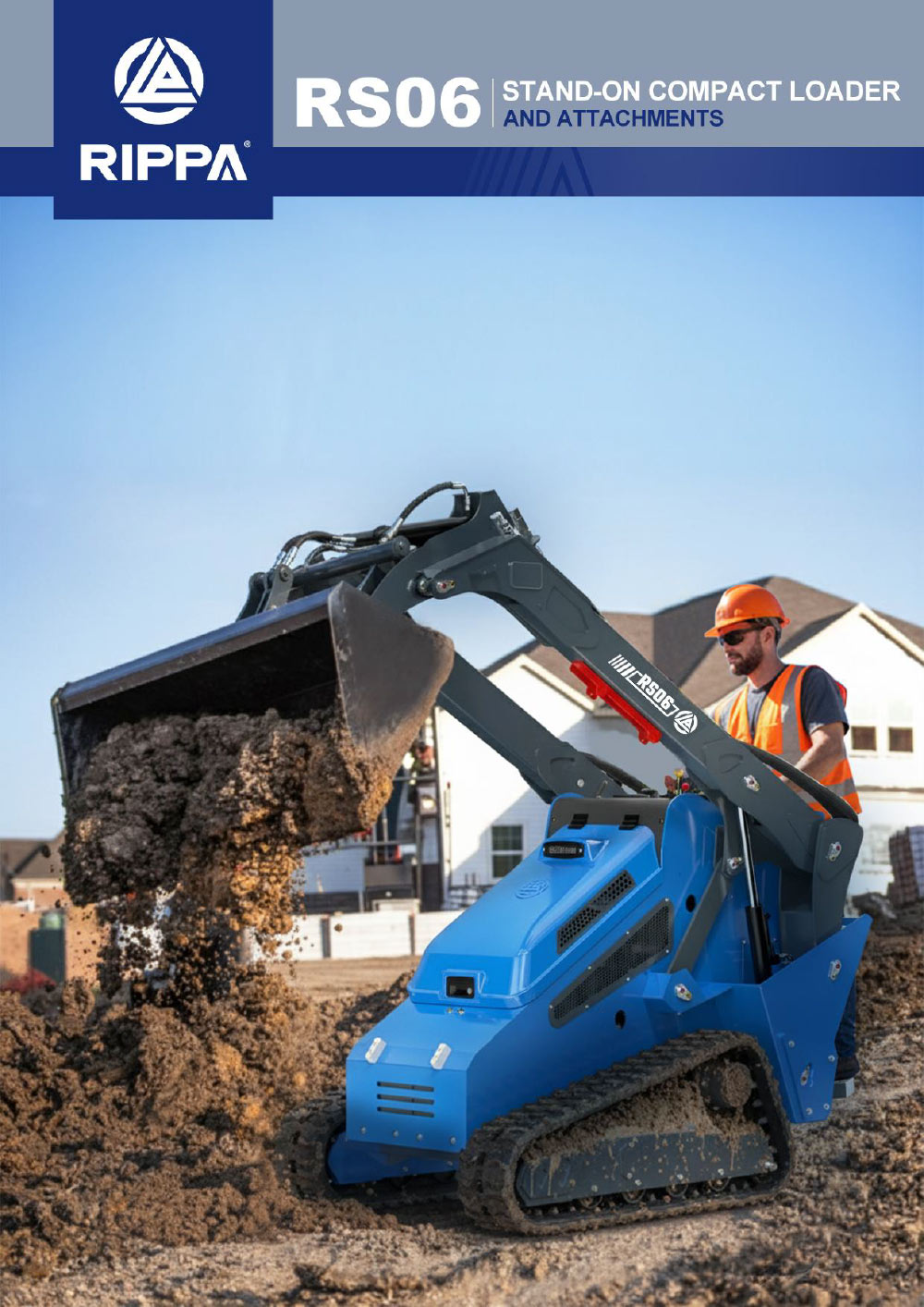
Before operating a skid steer or compact track loader, it’s essential to understand your specific machine. Although most skid steers share a similar control layout, there are always small differences between models. That’s why reading the operator’s manual carefully is a must—especially if you’re using a rental machine.
One of the most important things to know is your machine’s specifications. These include the lift capacity, hydraulic flow rate, overall dimensions, and engine power. Knowing these details helps you understand how the machine will perform under different conditions and ensures you won’t push it beyond its limits. Exceeding its rated capacity or using incompatible attachments can lead to damage or accidents.
Familiarizing yourself with the control system and display panel is also vital. Learn what each lever, pedal, and switch does before turning on the engine. Take time to understand the throttle, travel levers, bucket controls, and auxiliary hydraulics if you plan to use attachments. Proper knowledge will make you more efficient and confident during operation.
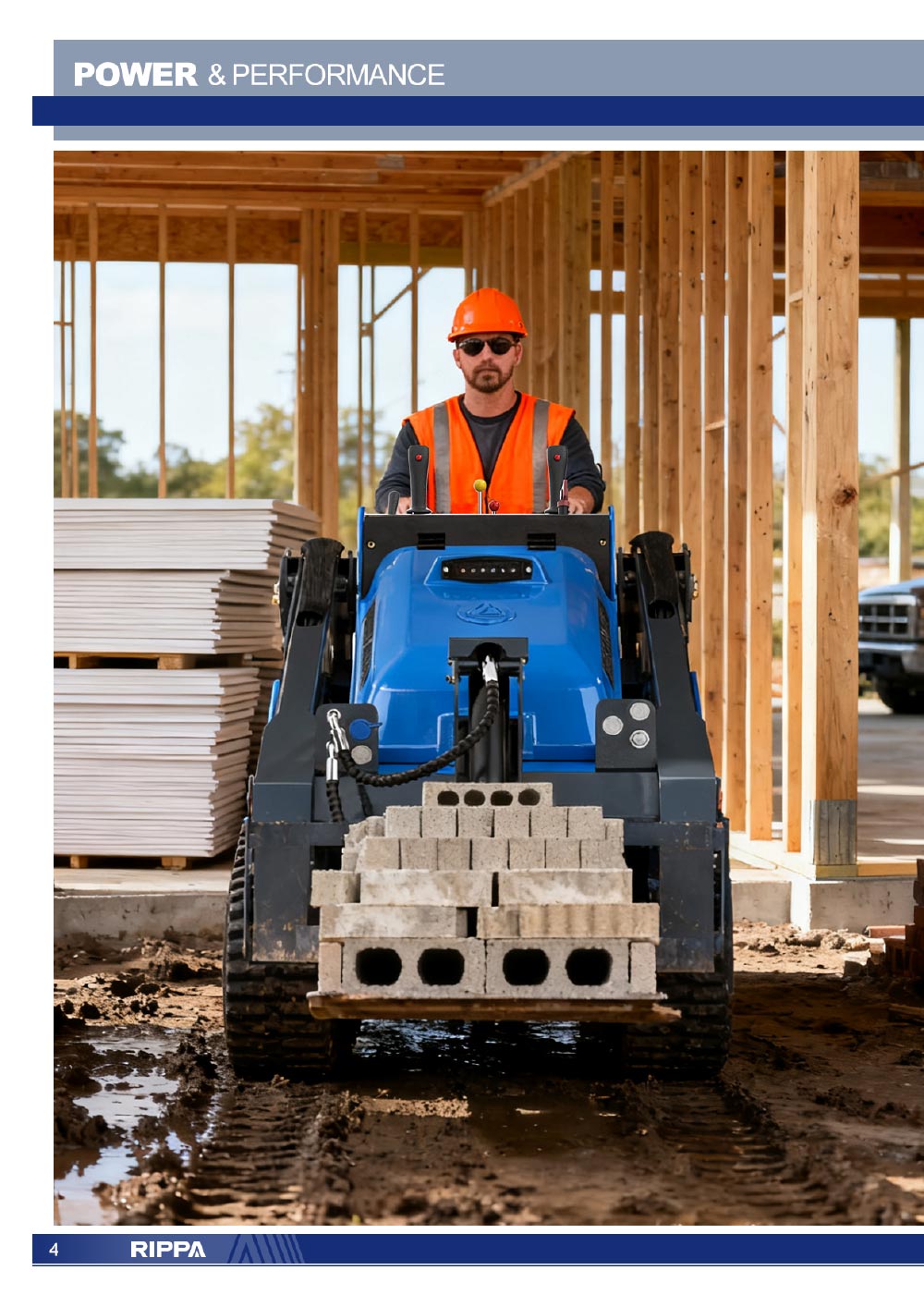
Pre-Operation Inspection and Safety Measures
Before starting the engine, always perform a full walk-around inspection. This habit not only prevents downtime but also ensures your safety. For wheel-type skid steers, check the tires and wheel hubs for any visible cuts, punctures, or excessive wear. Make sure all bolts are tightened. For track-type models, inspect the track tension—loose tracks may come off during operation, while overly tight ones can cause unnecessary wear.
Pay close attention to the fluids. Check coolant, engine oil, and fuel levels to ensure they are at proper levels. Also, inspect the air filter and hoses to confirm they are securely installed, without leaks or cracks. Proper maintenance of these components ensures the machine runs smoothly and avoids overheating or hydraulic issues.
During the inspection, review the hydraulic system. Examine hoses and connections for leaks or weak spots. Ensure grease fittings are properly lubricated—this prevents friction and extends component life. The operator’s manual will specify the recommended grease type and maintenance intervals. Performing this inspection daily is one of the best habits an operator can develop.
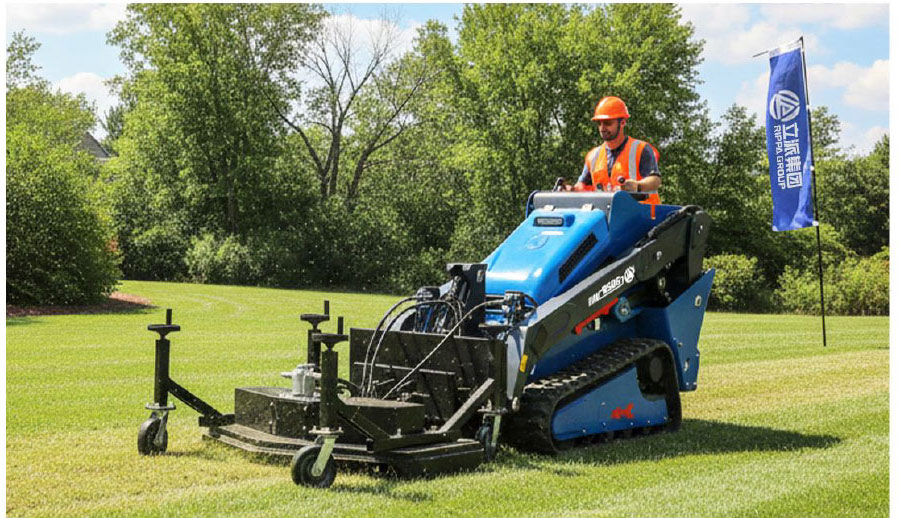
Starting and Operating the Skid Steer
Safety starts even before the engine runs. When entering the cab, always use three points of contact—two hands and one foot—to avoid slipping or falling. Skid steers have multiple steps and handholds designed for safe entry and exit, so use them properly.
Once seated, fasten the seat belt and lower the safety bar before starting the machine. These features protect you in case of a rollover or sudden movement. After securing yourself, press the green ignition button to start the engine. Before moving, disengage the parking brake and check that all safety indicators are normal on the display.
To operate the skid steer, use slow and controlled movements. Practice driving forward and backward, turning, and lifting the bucket in an open area before working on a job site. Skid steers are highly maneuverable but can also be sensitive to control input, so smooth handling is key. Avoid making sharp turns at high speed or operating on steep slopes. Always keep the bucket low when traveling to maintain stability.
By taking the time to learn, inspect, and operate your skid steer correctly, even beginners can handle the machine with confidence and safety in mind.