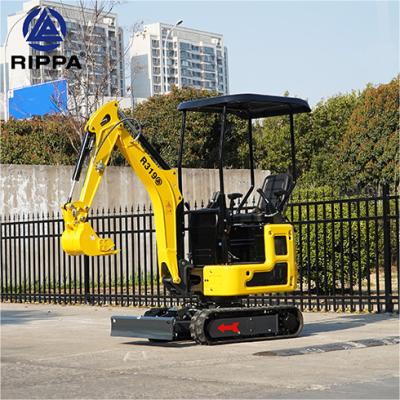
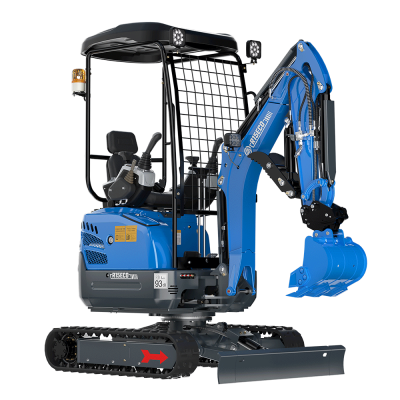
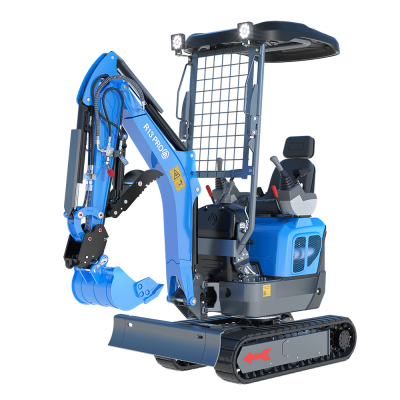
Understanding Skid Steer Loaders
A skid steer loader is a compact and highly versatile piece of construction equipment. Its rigid frame and unique wheel-based steering system give it exceptional maneuverability, making it ideal for working in confined or busy job sites. Equipped with a powerful engine and a wide range of attachments, skid steer loaders can handle numerous tasks, which is why they are indispensable tools for contractors, landscapers, farmers, and many other professionals.
One of the key features of a skid steer loader is its powerful hydraulic system, which enables it to operate attachments ranging from standard buckets to augers and hydraulic breakers. The rated operating capacity (ROC) of skid steer loaders typically ranges from 1,000 lbs to over 3,000 lbs, allowing them to perform heavy lifting and digging tasks with ease. In addition, skid steer loaders are available in both wheeled and tracked configurations, giving users the flexibility to choose the most suitable option based on terrain and job requirements.
Skid steer loaders are widely used across multiple industries. In landscaping, they excel at grading, land clearing, and material handling. On construction sites, they are essential for digging, lifting, and transporting materials. Their compact size allows them to work efficiently in tight spaces, while the ability to quickly change attachments enables operators to complete multiple tasks without switching machines.
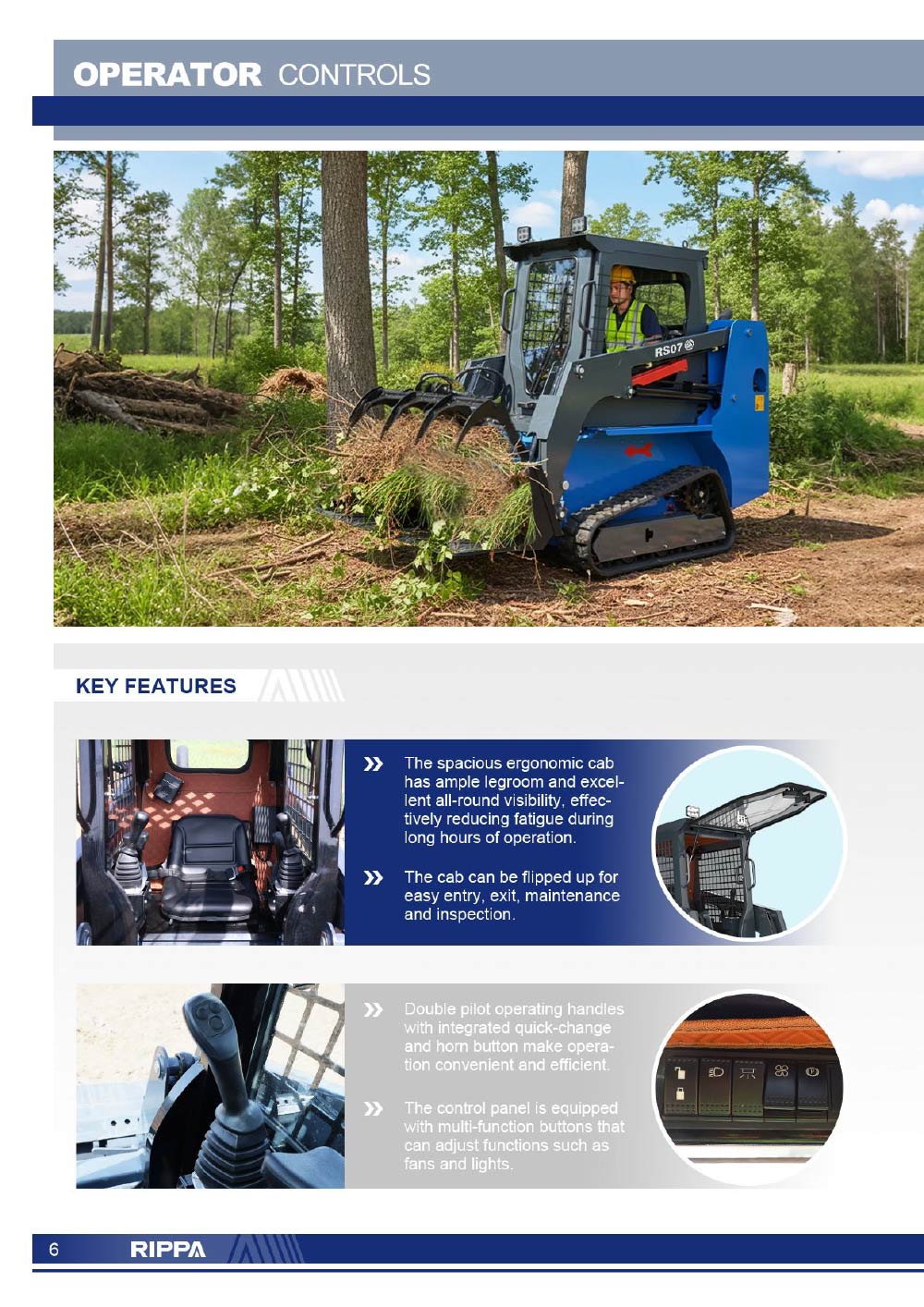
Exploring Compact Track Loaders
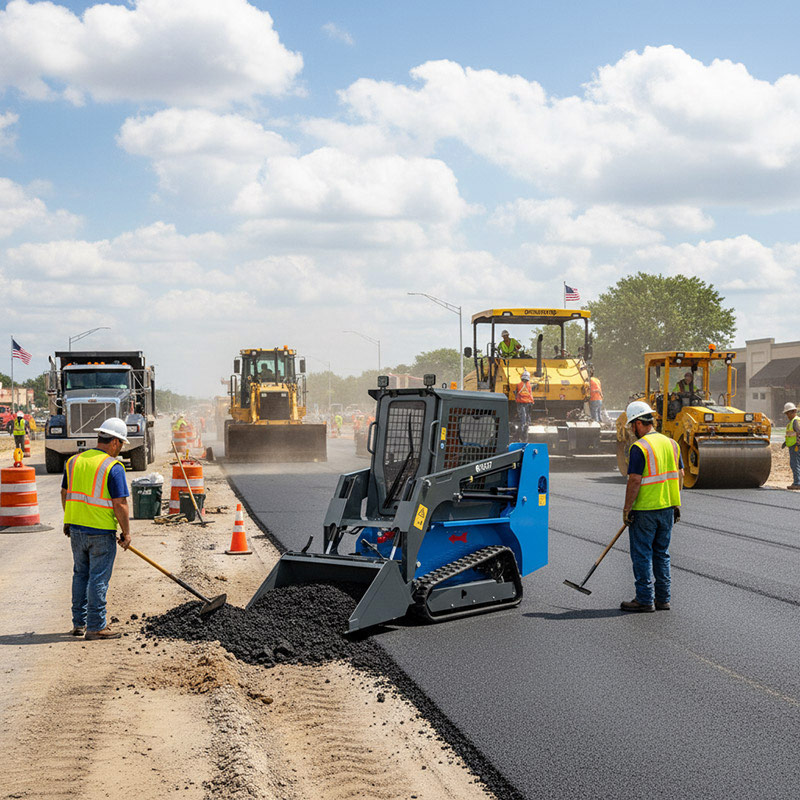
Compact track loaders are versatile machines that combine the functionality of skid steer loaders with a tracked undercarriage instead of wheels. This design provides superior traction, stability, and flotation on uneven or soft ground, making compact track loaders especially suitable for construction, landscaping, and agricultural applications.
One of the main advantages of compact track loaders is their ability to operate effectively on challenging terrain. The tracks distribute the machine’s weight more evenly, reducing ground pressure and allowing it to move across muddy, sandy, or loose surfaces with ease. Compact track loaders often offer increased lifting capacity and improved visibility, enhancing both productivity and operator safety. However, compared to wheeled skid steer loaders, they are generally heavier and may have a higher initial purchase cost. Due to the complexity of the track system, maintenance requirements can also be greater.
Typical applications for compact track loaders include grading, excavation, and material handling. They are particularly effective for site preparation tasks where traction and stability are critical. Landscapers frequently use compact track loaders to move soil, mulch, and other materials, while construction professionals rely on them for lifting and transporting heavy loads in rough or uneven environments.
Comparing Skid Steer Loaders and Compact Track Loaders
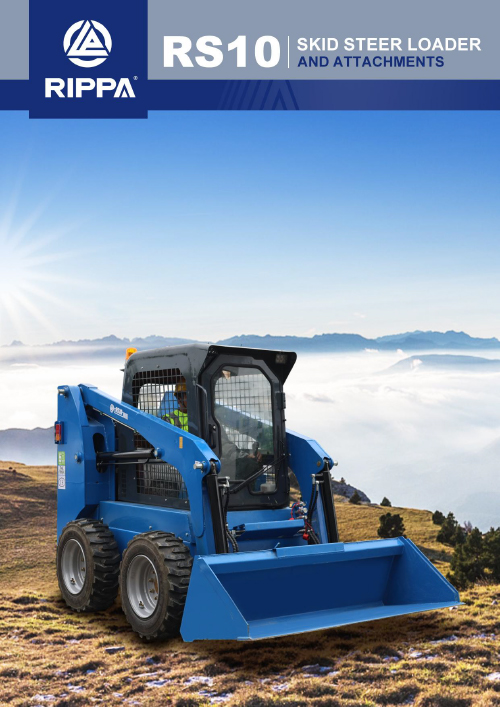
When choosing between a skid steer loader and a compact track loader, it is essential to understand the key differences in design and performance. Skid steer loaders are generally more compact and agile, making them ideal for tight spaces and urban job sites. Their rigid frame and wheeled design provide excellent maneuverability and faster travel speeds on hard surfaces.
Compact track loaders, on the other hand, use tracks instead of wheels, offering superior traction and stability on uneven or soft ground. This makes them better suited for landscaping and construction work in muddy, sandy, or wet conditions. While skid steer loaders typically perform more efficiently on concrete or asphalt, compact track loaders excel in environments where traction is critical.
Performance characteristics also differ between the two machines. Skid steer loaders tend to be faster and more efficient on hard surfaces, while compact track loaders provide enhanced lifting capability and stability under heavy loads. Although the additional weight of a track loader may reduce travel speed, it contributes to improved load handling and overall machine stability.
Choosing the Right Equipment for Your Needs
Selecting between a skid steer loader and a compact track loader requires careful consideration of several factors. The most important factor is the type of terrain where the machine will operate. Skid steer loaders perform best on firm, level ground and in confined spaces, while compact track loaders offer superior traction and stability on soft or uneven terrain. If your job sites frequently change conditions, a compact track loader may provide greater versatility.
Budget is another critical consideration. While skid steer loaders often have a lower initial purchase price, it is important to evaluate long-term operating costs. Compact track loaders, with their durable design and enhanced performance in difficult conditions, may offer long-term cost savings despite a higher upfront investment.
Finally, clearly define your project requirements and attachment needs. If your work involves heavy lifting or transporting materials across rough terrain, a compact track loader may be the better choice. For projects that require speed, agility, and precision in tight spaces, a skid steer loader is often the more efficient solution. By evaluating terrain, budget, and job demands, you can confidently select the machine that best supports your operational goals.