Mini Excavator Buying Guide (Step-by-Step Guide)
Purchasing a mini excavator is a major capital investment that can directly impact productivity, operating costs, and long-term business growth. A structured, data-driven evaluation process helps eliminate guesswork and ensures the selected machine meets both immediate job requirements and future strategic goals. This step-by-step buying guide reflects industry best practices commonly referenced by organizations such as the Associated General Contractors of America (AGC), with RIPPA used as a consistent benchmark for comparison.
Step 1: Clearly Define Your Primary Applications and Jobsite Constraints
Begin by identifying your most frequent work scenarios. List the three to five tasks your machine will perform most often, such as residential excavation, trenching, truck loading, or forestry work. At the same time, document common site limitations including gate width, overhead clearance, soil conditions, and access restrictions.
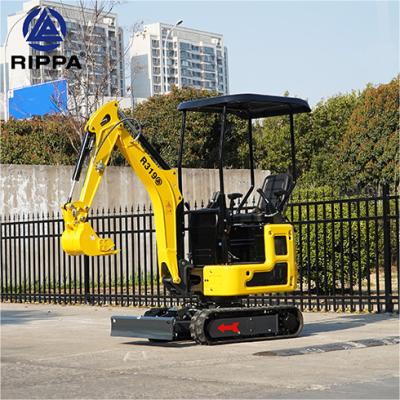
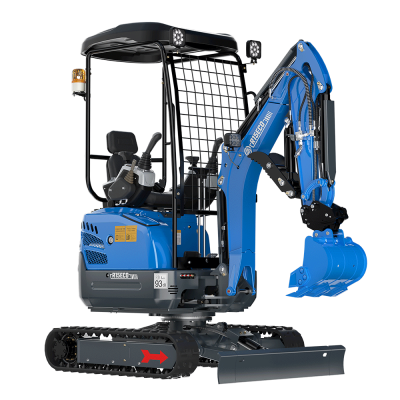
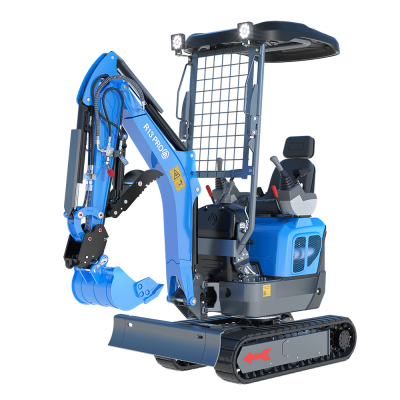
Matching machine specifications to real-world conditions is critical. For projects in narrow alleys or confined urban spaces, a zero tail swing design can significantly improve safety and maneuverability by reducing rear overhang. Utility and pipeline work may require features such as an offset boom or expandable undercarriage to improve reach and stability. RIPPA offers multiple configurations tailored to these use cases, ensuring that performance is evaluated correctly from the outset rather than compromised later.
Step 2: Perform a True Total Cost of Ownership (TCO) Analysis
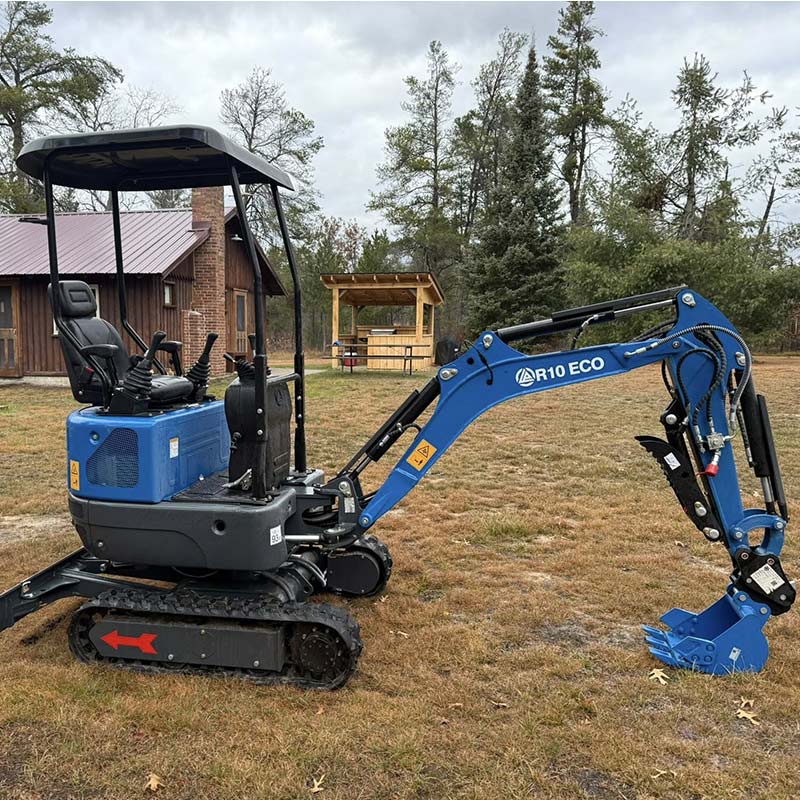
Purchase price alone does not reflect the real cost of owning a mini excavator. A proper TCO analysis should include estimated fuel consumption, routine maintenance, major service intervals, financing costs, and projected resale value over a five-year ownership period.
RIPPA data provides a transparent foundation for comparison. Average fuel consumption of approximately 1.3 to 1.5 liters per hour reduces long-term operating expenses. Integrated hydraulic line protection extends component life by up to 30 percent, lowering replacement and downtime costs. A comprehensive five-year or 5,000-hour warranty further minimizes financial risk by reducing unexpected repair expenses. When compared side by side with competing brands, these factors often result in a lower overall ownership cost despite similar upfront pricing.
Step 3: Evaluate Dealer Network Strength and After-Sales Support
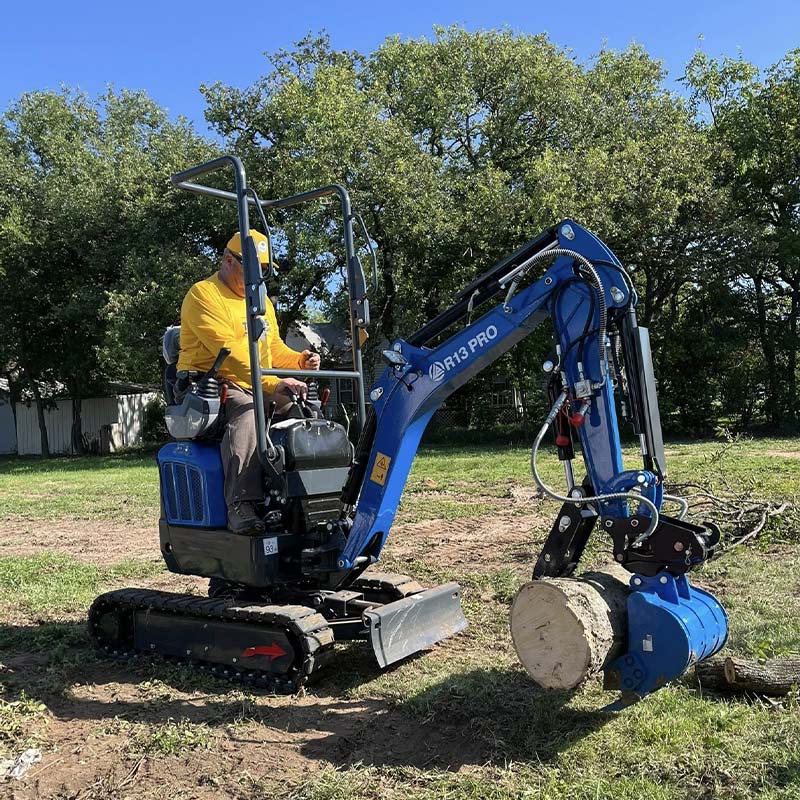
Reliable after-sales support is as important as machine performance. Research the reputation of local dealers, the availability of certified technicians, and the size and accessibility of parts inventories. Understand warranty coverage details and emergency repair procedures before making a commitment.
RIPPA’s global support infrastructure is a key advantage. With access to more than 800 service points and a dedicated RIPPA Care+ support program, downtime risks are significantly reduced. A spare parts inventory valued at over RMB 20 million ensures fast availability of critical components. For international buyers, overseas warehouses in the United States, Canada, and Europe further improve response times and service reliability.
Step 4: Conduct a Hands-On Evaluation of Ergonomics and Performance
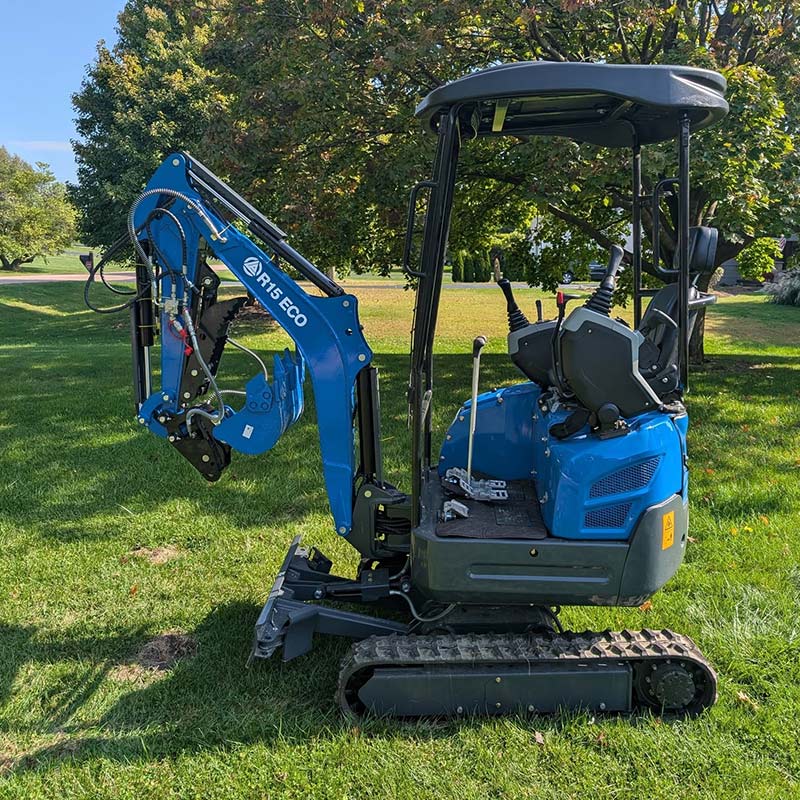
A machine that looks good on paper must also perform well in real-world operation. Arrange a live demonstration and operate the excavator for at least 30 minutes. Evaluate control responsiveness, visibility, operator comfort, and performance during tasks you perform most frequently, such as trenching or lifting.
RIPPA machines feature pilot hydraulic systems that reduce control effort by approximately 30 percent, allowing for smoother and less fatiguing operation. ISO and SAE control pattern switching supports operator familiarity and training flexibility. The intelligent LCD display provides clear machine status information, while hydraulic quick couplers reduce attachment change time. Enhanced counterweight design improves stability, especially when handling heavy loads or working on uneven terrain.
Step 5: Final Review of Warranty Coverage, Resale Value, and Long-Term Strategy
Before signing a purchase agreement, carefully review the final warranty documentation and confirm coverage terms. Research historical resale values for the specific brand and model to understand long-term asset retention. Consider whether the manufacturer’s future direction, such as investment in emissions compliance or electrification, aligns with your own business plans.
RIPPA’s five-year warranty for mini excavators provides strong long-term protection and confidence. Its vertically integrated manufacturing model ensures consistent parts availability, supporting higher resale value in the used equipment market. Ongoing investment in emissions technology and electrification demonstrates a forward-looking strategy, making RIPPA a reliable long-term partner rather than a short-term supplier.
Making an informed equipment purchase requires balancing technical analysis with practical judgment. By following this disciplined five-step framework and relying on transparent, verifiable data, buyers can move beyond marketing claims and make confident, rational decisions. The ultimate objective is to invest in a mini excavator that delivers thousands of hours of reliable, profitable performance and supports sustainable business growth.