A Buyer's Guide to Rippa Mini Excavators: Reviews and
Have you been dreaming of building a koi pond in your backyard or digging a new drainage ditch for your farm? These projects sound great, but the thought of moving all that earth can be daunting. With your own mini excavator, however, those dreams are far from out of reach. Rippa has emerged as a cost-effective option, empowering many individuals and small business owners to own this powerful tool for the first time, turning a week of hard labor into an afternoon's work.
But it's not as simple as just clicking "buy." This guide is designed to be your practical blueprint, not a sales pitch. We'll break down how to choose the right tonnage for your projects, explain the real-world differences between a Koop and a Kubota engine, and help you estimate the total cost, including shipping and attachments, to avoid common first-time buyer mistakes.
This comprehensive review is here to clear up any confusion, whether you need a nimble Rippa mini excavator for home use or a more powerful workhorse for your farm. Let's dig in and ensure your first major equipment investment is a smart one that gets your big plans off the ground.
Who is Rippa? Understanding the Truth Behind the Low Price
When you see the price of a Rippa mini excavator, your first question is likely, "Why is it so much cheaper than major brands like SANY or Caterpillar?" The answer is simple: Rippa is a Chinese manufacturer that uses a direct-to-consumer model, selling machines directly to global buyers online—including you.
This model is fundamentally different from traditional brands. To buy a Caterpillar or SANY, you typically go through a local dealer who provides a showroom, on-site inventory, test drives, and, most importantly, local after-sales service and parts support. Naturally, the cost of all these services is reflected in the higher price you pay. Rippa cuts out this middleman, passing the savings directly to the consumer.
Therefore, Rippa's core value proposition is a trade-off: you get powerful capabilities for a much lower upfront investment. But this affordability also means you can't just call a local mechanic for service when you need a repair or replacement part. You must be prepared for some DIY maintenance and remote communication with the factory. Understanding this is the first step in making an informed choice.
Your First Key Decision: What Size Excavator Do I Need? (Understanding Tonnage)
When choosing an excavator, the first decision is "tonnage." This is simply the machine's operating weight and the most direct measure of its power and size. Think of tonnage like clothing sizes: a small is nimble, while a large is powerful. Picking the right size is crucial for your project's success and directly answers the question, "Which Rippa model is best?"
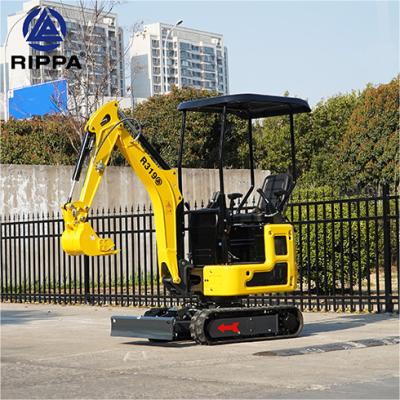
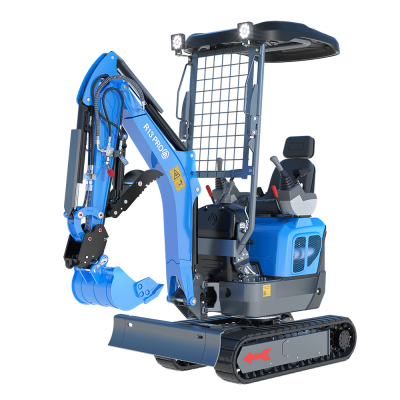
A 1-ton Rippa excavator (like the R10 model) is a top choice for many homeowners, and its price is often the most accessible, which is why many people search for the price of a 1-ton Rippa mini excavator. Its biggest advantage is its compact size; the tracks can often retract to under one meter wide, allowing it to easily pass through most yard gates or narrow side passages. For delicate tasks in the backyard like digging up tree roots, creating flower beds, or laying irrigation pipes, the flexibility of this small excavator is invaluable.
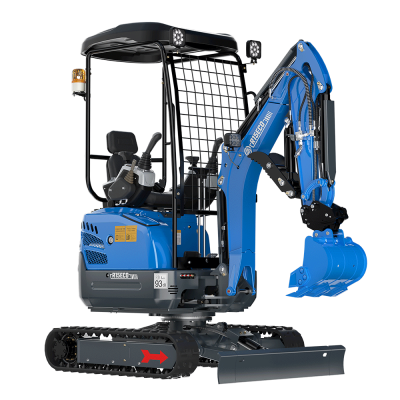
However, as your projects get bigger, so does the need for more tonnage. A 1.5 to 1.8-ton excavator (like the Rippa R15 or R18) offers greater digging depth and lifting capacity. This means you can more efficiently dig a small pond, clear a small patch of woodland, or easily lift and load larger rocks and logs. While it can't access the tightest spaces, it pays you back with a significant boost in work efficiency and power.
Ultimately, your choice is a balance between "flexibility" and "power." First, assess your most common job sites and task intensities. If you're always working in tight spaces on gardening chores, a 1-ton model is a wise choice. If you need to handle heavier materials and deeper excavations, upgrading to 2 tons or more will be more suitable. Once you've determined the right size, it's time to consider the heart that powers it—the engine.
Choosing an Engine: Koop vs. Kubota
Once you've sized your excavator, it's time to look at its heart: the engine. On Rippa's configuration sheet, you'll face a choice similar to buying a car: stick with the standard Chinese-made Koop engine, or pay extra to upgrade to an imported Japanese Kubota engine? This decision directly impacts the machine's cost, durability, and long-term value.
So, is the extra money worth it? The answer depends on your usage intensity. For most home users who only operate the machine for a few dozen hours a year for gardening or farm chores, a Koop engine is perfectly adequate. It's an economical and durable power source that gets the job done. However, if you plan o