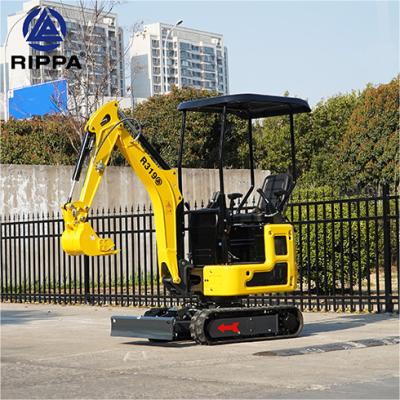
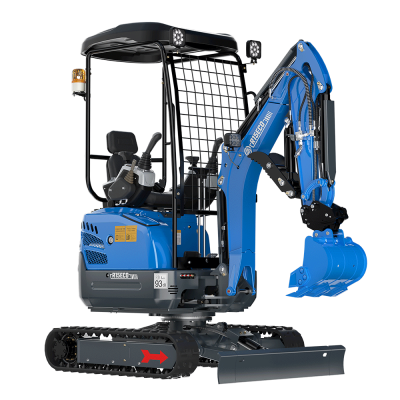
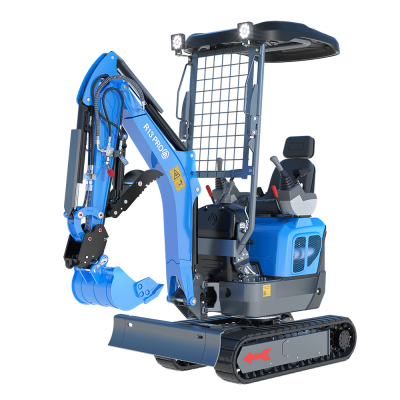
How much is it to buy a mini excavator
Thinking about a big landscaping project? The thought of digging trenches by hand for weeks is enough to make anyone's back hurt. A mini excavator can turn a month of hard labor into a weekend project, but what will it set you back?
Prices on popular marketplaces can range from under $25,000 for an older, used model to over $90,000 for a new one. This huge gap isn’t just about age; it’s driven by the machine's size, its operating hours—which are like miles on a car—and its brand. The sticker price often hides the true cost, which includes necessary expenses like a trailer, attachments, and ongoing maintenance. This guide breaks down those real costs to help you find an affordable mini excavator and decide whether buying or renting makes the most financial sense for you.
The $50,000 Question: Why New and Used Mini Excavators Have Such a Huge Price Gap
Seeing a brand-new mini excavator listed for $50,000 while a similar used one sits at $30,000 can be confusing. The reason for this gap is the same one you see with cars: rapid initial depreciation. A mini excavator loses a significant chunk of its value the moment it’s first sold and put to work, with the steepest drop occurring within the first one to two years or 500 operating hours.
That premium on a new machine, however, buys you more than just that “new equipment smell.” Its main benefit is the manufacturer's warranty, which typically covers the engine and major systems for a set period. This acts as a powerful insurance policy against major, unexpected repair bills. A quick look at any new mini excavator price list confirms this value, with most models starting around $40,000 and climbing well past $90,000 for larger, feature-rich machines.
Conversely, buying a used machine lets the first owner take that big financial hit for you. This is why used compact excavator values are so attractive, with a wide selection available in the $20,000 to $60,000 range. Asking what is a good price for a used mini digger depends entirely on its age, condition, brand, and most importantly, its operating hours.
Your decision is a trade-off: guaranteed performance versus upfront savings. With a new excavator, you pay a premium for peace of mind and the latest technology. With a used one, you accept the risk of future repairs in exchange for a much lower purchase price, making a thorough inspection absolutely critical.
What Size Mini Excavator Do You Actually Need? A Job-Based Guide to Price Tiers
The term “mini” excavator is surprisingly broad, covering everything from a machine that can squeeze through a garden gate to one that requires a special license to move. Choosing the right size is the most important step in any compact excavator buying guide, as it has the biggest impact on price and practicality after the new-versus-used decision. Buying too small means a project will take forever; buying too big means you've overpaid for power you can't use and can't easily transport.
To simplify your choice, think in terms of your project. Machines generally fall into three useful categories:
The Backyard Helper (1-2 tons): This is the most affordable mini excavator for small projects like digging fence post holes, creating small garden water features, or trenching for irrigation lines. Their biggest advantage is access—they can often fit through a standard backyard gate. The Caterpillar 1.5 ton excavator price, for example, often falls in the $25,000 to $40,000 range new.
The All-Rounder (3-5 tons): The most popular size for a reason. These have enough power for serious work like digging small foundations, removing numerous stumps, or excavating for a small swimming pool. They represent a sweet spot of capability and cost, typically from $40,000 to $70,000.
The Powerhouse (6-10 tons): Now you’re in serious contractor territory. These machines are for clearing land, digging large ponds, and major demolition. Their size and weight bring significantly higher costs and logistical challenges.
Perhaps the biggest hidden cost of a larger machine is transportation. A “Backyard Helper” can often be towed on a heavy-duty trailer behind a standard 3/4-ton or 1-ton pickup truck. Once you jump to the “Powerhouse” category, however, you’ll likely need a commercial driver’s license (CDL) and a specialized heavy-haul trailer to move it legally and safely, adding a major layer of expense and complexity.
Picking a size is a balancing act between the power you need and the logistical reality you can handle. Once you’ve settled on the right size class for your work, the next step is to evaluate the machine's condition.
Decoding "Hours": The Single Most Important Number on a Used Excavator
When you’re looking at used cars, the first thing you check is the mileage. For a mini excavator, the equivalent—and arguably more important—number is its “operating hours.” Displayed on a small meter in the cab, this figure tracks every hour the engine has been running. It's the most reliable snapshot you can get of the machine’s total workload, giving you a clear picture of the wear and tear on the engine, hydraulics, and other critical parts.
So, what’s a “good” number? A machine with under 1,500 hours is generally considered to have low usage. Anything from 1,500 to 4,000 hours is typical for a well-used but potentially well-cared-for machine. Once you see numbers over 4,000, you’re looking at a machine that has likely had a hard life in a commercial fleet. Knowing where a machine falls on this spectrum is key to understanding used compact excavator values and making a fair offer.
However, hours alone don't tell the whole story. A crucial part of learning how to inspect a used mini excavator is pairing the hour reading with maintenance records. A 5,000-hour machine with a binder full of service receipts from a reputable owner might be a smarter buy than a neglected 1,000-hour machine left to rust behind a barn. The combination of hours and care history dramatically influences the mini excavator depreciation rate. Of course, the brand name on the boom also plays a huge role in what you can expect to pay.
Why a Kubota Costs More Than a Wacker Neuson: A Brand Price Guide
You’ve likely noticed that a used Bobcat and a lesser-known brand with similar hours can have very different price tags. It's a lot like the car market, where certain brands are known for holding their value. With heavy equipment, however, this difference isn't just about brand loyalty; it's a practical calculation of reliability and what it might cost you down the road.
The biggest names—Caterpillar, Bobcat, and Kubota—consistently command higher prices because they have a proven track record. Buyers know these machines are built to last, which means they hold their value incredibly well. Paying more for a premium brand today often means getting more of your money back when you decide to sell. The Kubota vs Bobcat mini excavator cost debate often comes down to regional service and preference, as both are considered top-tier investments.
Beyond just resale value, the real hidden benefit of a top brand is its massive parts and service network. If a hydraulic hose bursts on a Caterpillar, you can likely find a replacement part the same day. If the same thing happens on an obscure import, you could be stuck waiting weeks, turning your useful machine into a very expensive lawn ornament. That potential for extended downtime is a major financial risk that gets factored into the asking price.
You can expect to pay 15-25% more for a premium brand over a budget-friendly one like a JCB or Wacker Neuson. A Caterpillar 1.5 ton excavator price might be thousands higher than the mini excavator 18z-1 price in usa, even with identical hours. Think of that premium as an insurance policy against future headaches and downtime.
Budgeting for Reality: The Total Cost of Owning a Mini Excavator
That premium for a top-brand machine is a smart investment, but the sticker price is just the down payment on your project-tackling dreams. To calculate the total cost of owning a mini excavator, you have to think beyond the machine itself. Unlike a car you simply drive home, an excavator requires a support system of other expensive items just to get it to the job site and make it useful.
Understanding these hidden costs of buying heavy equipment is crucial for creating a realistic budget. Before you commit, make sure you've accounted for these four major expenses:
A Proper Trailer: A mini excavator is too heavy for a standard utility trailer. You'll need a heavy-duty equipment trailer, which can cost between $5,000 and $12,000.
Essential Attachments: Your machine usually only comes with one digging bucket. To do other jobs, you'll need to budget $2,000 to $5,000+ for tools like a thumb clamp or an auger.
Insurance: Protecting your five-figure investment from theft or damage is a must. Expect to pay $500 to $1,500 per year.
Basic Maintenance: Just like your car, your excavator needs regular fluid and filter changes. Budget at least $300 per year for these supplies.
When you add it all up, your true first-year cost can easily be 20-30% higher than the excavator's price tag. Most mini excavator financing options only cover the machine, so these extra costs often need to be paid out-of-pocket. Of all these additions, the one with the biggest impact on your machine's versatility is your set of attachments.
Your Attachments Budget: A Price Guide for Getting the Real Work Done
A good way to think about your machine is as a power source, a core lesson in any compact excavator buying guide. The excavator provides the muscle, but the attachments do the actual work. While your machine will arrive with a standard digging bucket for trenching, you’ll need to invest in specialized tools to unlock its true potential for other jobs. These extra tools are where the magic really happens, turning your digger into a multi-purpose workhorse.
Two of the most valuable additions are a hydraulic thumb and an auger. A thumb acts just like your own, letting the bucket grab and carry logs or rocks, and is typically a $2,500+ add-on. An auger is a giant drill for perfectly round post holes, usually running $2,000+. To make swapping these heavy tools painless, many owners also add a Quick Coupler ($1,500+), an adapter that cuts the frustrating changeover down to a one-minute task.
While these costs add up, the right attachments multiply your machine’s value, turning a full day of manual labor into a one-hour job. This specialized capability is a key point in the mini excavator vs skid steer price debate, as the right tools make the excavator a far more precise machine for certain tasks. Investing in attachments for your specific projects is often more important than the excavator’s brand or age.
The 5-Minute Inspection: How to Spot a Bad Used Mini Excavator
When you find a promising used machine, you don’t need to be a mechanic to avoid a lemon. A simple, hands-on check that takes less than five minutes can reveal hidden problems that lead to major repair bills. This quick walkthrough is the most important step in how to inspect a used mini excavator before buying, ensuring you get a machine that’s ready to work, not one that needs immediate, expensive attention.
Start with a visual inspection focused on the highest-cost wear items. Look for these three red flags:
Cracked Tracks: Examine the rubber tracks for deep, dry-rot cracks or missing chunks. Think of them like car tires, but a new pair can easily set you back $2,000 or more.
Hydraulic Leaks: Scan for oily residue on or below the hoses and the large metal cylinders that move the arm. A clean machine is a great sign; visible leaks are future repair bills.
Excessive "Play": With the machine off, grab the bucket and try to wiggle it side-to-side. A lot of clanking and looseness (called ‘play’) means the joints are worn out, a clear sign of a hard life.
After your visual check, ask the owner to start the engine from cold while you watch the exhaust for excessive smoke. Once it’s running, cycle through all the controls—the arm, bucket, and tracks—to feel for smooth, responsive movements. These simple tests directly influence used compact excavator values and help you decide if the asking price is fair. A machine that passes this inspection is far more likely to be a reliable partner for your projects.
The Final Decision: Is It Cheaper to Rent or Buy a Mini Excavator?
Now for the ultimate question every potential owner faces: is it cheaper to rent or buy? While every situation is unique, a simple rule of thumb can guide you. Renting a mid-size machine can cost between $1,500 and $2,500 per week. Based on this, the breakeven point often lands around four to six weeks of use per year. If your projects will demand more time than that, buying starts to look much more attractive financially.
Renting offers a major advantage: simplicity. You get a well-maintained machine perfectly sized for your specific task—from a small one for a tight backyard trench to a larger one for stump removal—and when you’re done, you simply return it. There are no surprise repair bills, no long-term storage headaches, and no need to worry about the total cost of owning a mini excavator. For one-off or infrequent projects, it's the clear winner.
On the other hand, buying a machine gives you ultimate freedom. The excavator is yours to use on your schedule, turning weekend projects into spontaneous afternoon tasks. If you have a farm, a large property with ongoing work, or simply a long list of future plans, ownership prevents you from watching rental fees stack up. It’s an asset that’s ready the moment you need it, saving you from the back-breaking labor you wanted to avoid in the first place.
The decision balances your budget against your time. If your need is short-term and specific, renting is the smart choice. But if you see a future filled with projects, embracing the full mini excavator cost of ownership can save you thousands in the long run.
Your 4-Step Action Plan to Buying the Right Mini Excavator
You now have the framework to see beyond the sticker price and calculate the true cost of bringing a machine home. This guide puts you in control. To find the right path forward, simply follow these four steps:
List All Your Projects.
Choose Your Size Tier ("Backyard," "All-Rounder," etc.).
Build Your "Total Cost" Budget (Machine + Trailer + Attachments).
Compare Your Budget to Rental Costs to Make the Final Call.
With this plan, the question shifts from "How much is it?" to "Is buying the right investment for me?" Whether you're now exploring affordable mini excavator financing options or confidently calling a rental yard, you’re equipped to make a smart financial decision that saves you time, money, and back-breaking labor.