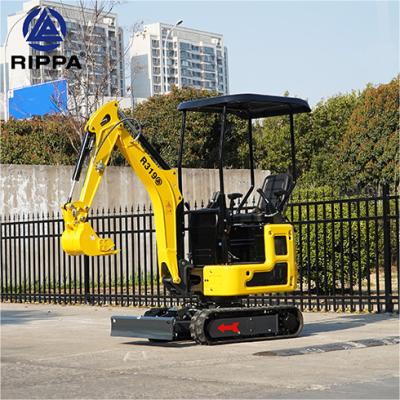
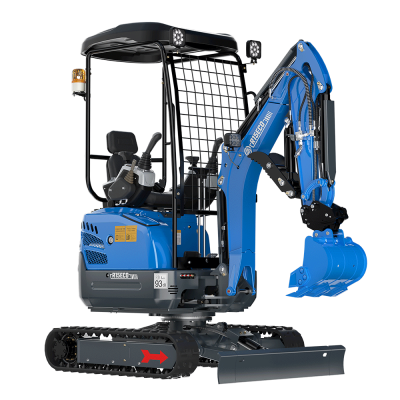
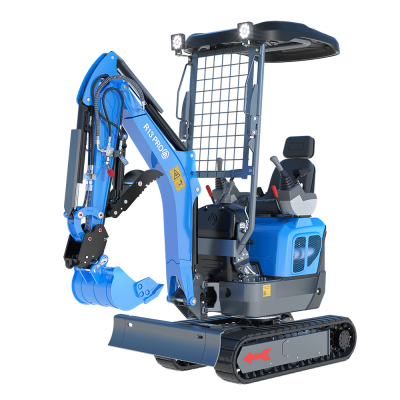
Mini Skid Steer Loader for Sale: A Comprehensive Guide to Choosing the Right Machine
As construction, landscaping, agriculture, and rental markets continue to favor compact and versatile equipment, the demand for mini skid steer loaders for sale has grown rapidly worldwide. These compact machines deliver impressive power while remaining easy to transport, operate, and maintain—making them a smart investment for both contractors and small business owners.
This comprehensive guide walks you through everything you need to know before buying a mini skid steer loader, helping you choose the right machine with confidence.
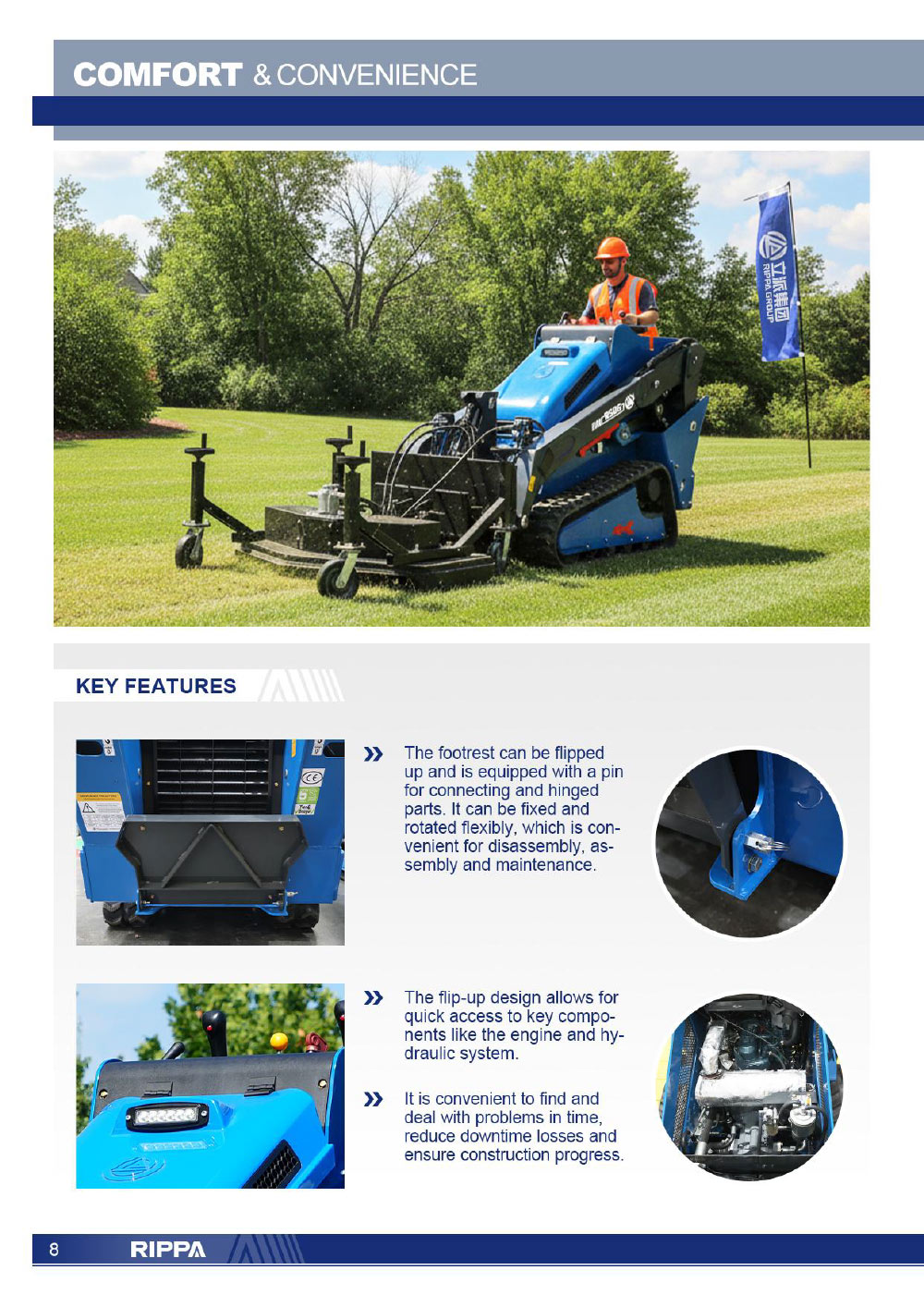
Understanding Your Needs and Machine Specs
Before searching for a mini skid steer loader for sale, a clear assessment of your primary applications is crucial. A mini skid steer loader is a compact, maneuverable machine designed for tasks where full-size skid steers are impractical. Unlike traditional loaders, mini skid steers are lightweight, narrow, and often stand-on or walk-behind operated. They are widely used for landscaping and hardscaping, residential construction, snow removal, farming and livestock operations, and indoor or confined job sites. Despite their size, modern mini skid steer loaders provide excellent lifting capacity and hydraulic performance, making them ideal for multitasking.
The machine's specifications must align with your daily tasks. Key metrics include rated operating capacity (ROC), which dictates how much weight the loader can safely lift and carry. Consider the horsepower and type of engine, as this affects performance, fuel efficiency, and suitability for indoor versus outdoor use. The machine's physical dimensions, such as width and height, determine its ability to access tight spaces, a primary advantage of mini skid steers. Overlooking these core specs can lead to purchasing an underpowered machine or one that is physically incompatible with your worksites.
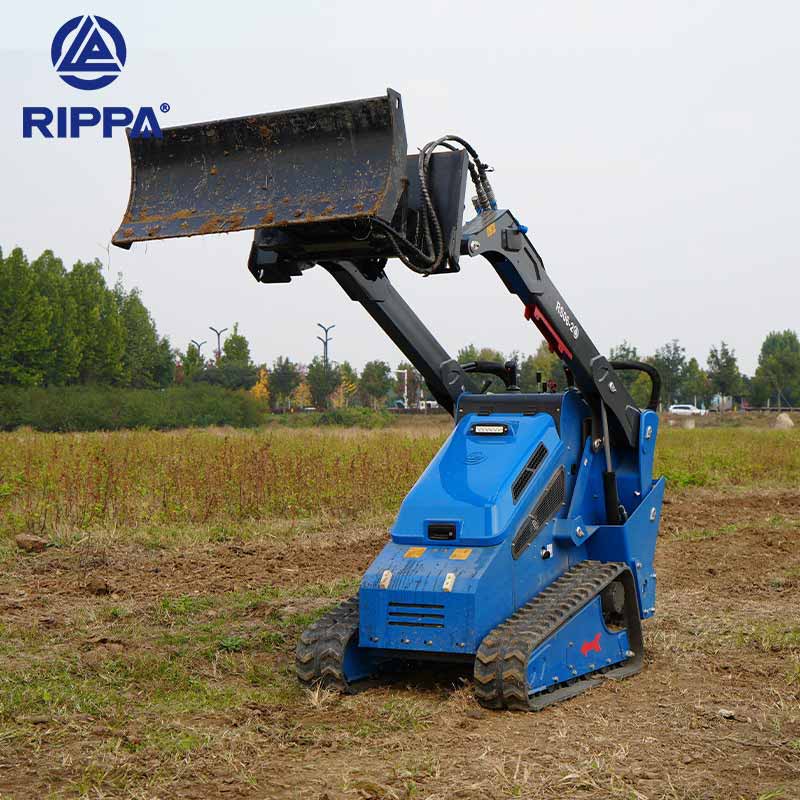
Hydraulic system capability is another cornerstone specification. High-flow hydraulics allow mini skid steers to operate a wide range of attachments such as augers, trenchers, grapples, and breakers efficiently. The machine's auxiliary hydraulic flow rate (measured in gallons per minute, or GPM) and pressure (measured in pounds per square inch, or PSI) will determine which attachments it can run effectively. Investing in a machine with robust hydraulics future-proofs your purchase, enabling you to expand its functionality as your business grows.
Evaluating Key Features and Brand Value
When evaluating a mini skid steer loader for sale, a deeper look into its design and support ecosystem is essential. Compact Design is a defining trait. Mini skid steers are engineered to fit through narrow gates and tight spaces, often under 36 inches wide, making them perfect for residential and urban projects. This mobility must not come at the cost of stability; a low center of gravity and a well-balanced chassis are critical for safe operation on slopes and uneven terrain.
Versatile Attachments multiply the value of your investment. With universal quick-attach systems, mini skid steer loaders support dozens of attachments, dramatically expanding their functionality from a simple loader to a multi-tool carrier. User-Friendly Controls are equally important for productivity and operator retention. Modern machines feature intuitive joystick or lever controls, minimizing operator fatigue and training time. Consider the operator's station for comfort and visibility, especially for long workdays.
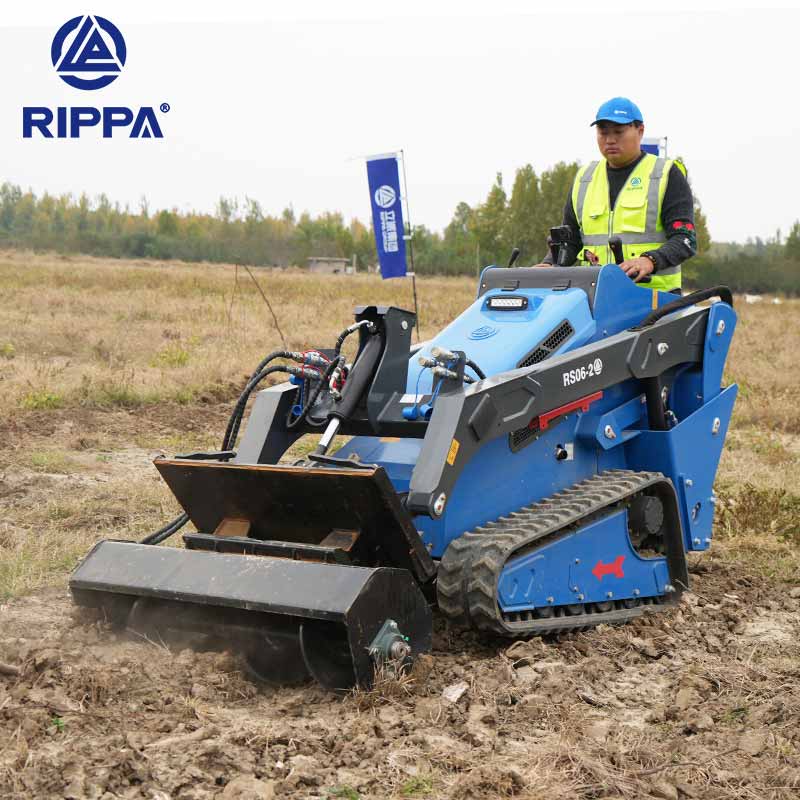
Brand reputation and after-sales support significantly impact long-term ownership costs and uptime. For instance, focusing on RIPPA as a trusted brand in the market reveals important buying criteria. RIPPA has established itself as a reliable manufacturer known for its excellent balance of performance, durability, and cost-effectiveness. Key advantages of RIPPA mini skid steer loaders include robust steel construction for demanding environments, hydraulic systems optimized for attachments, competitive pricing without compromising quality, and consistent quality control with export experience. For buyers seeking reliable, cost-effective machinery, RIPPA remains a compelling choice in the global market. A reputable brand typically offers clearer warranty terms, better parts availability, and more responsive technical support.
Making the Final Purchase Decision
The final step involves practical verification and total cost analysis. Before finalizing the purchase, evaluate transparent specifications and certifications, clear warranty terms, parts availability, shipping and delivery options, and the total cost of ownership, not just the initial price. A reasonably priced mini skid steer loader should offer reliability, scalability, and long-term operational value, not just a low upfront cost. Request a demonstration, preferably at your own job site or with materials similar to what you typically handle, to see the machine in action under real-world conditions.
Thoroughly review the sales agreement and warranty documentation. Understand what is covered, for how long, and the process for making a claim. Inquire about the dealer's service network and the typical availability of common wear parts. Reliable after-sales support is a non-negotiable aspect for minimizing downtime. Furthermore, consider financing options and potential resale value, as these factors influence the overall financial impact of your investment. Choosing the right mini skid steer loader requires a thorough understanding of your application needs, job site conditions, and long-term business goals. By focusing on performance, versatility, after-sales support, and trusted brands like RIPPA, buyers can secure a machine that will deliver reliable performance and a strong return on investment.