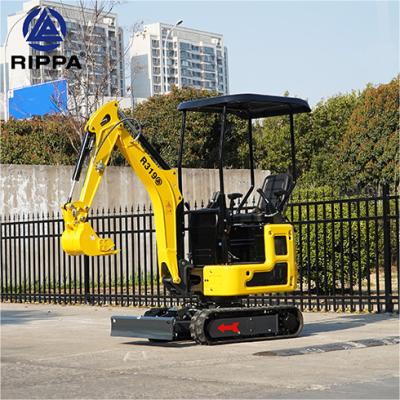
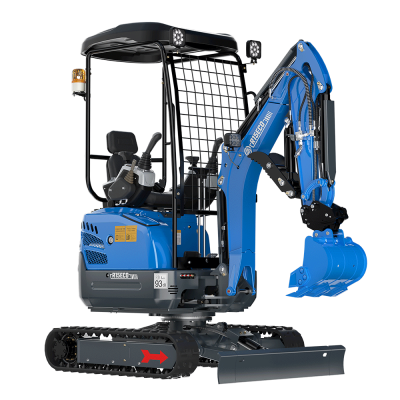
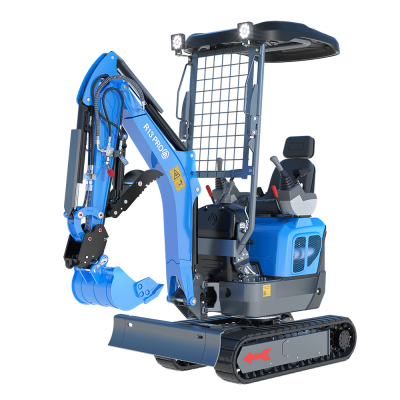
Rippa Tracked Skid Steer Loaders: Key Benefits and Buying Reasons
Have a huge yard project looming? Maybe it’s a pile of dirt the size of a car that needs moving, or an overgrown back acre you want to reclaim. The thought of tackling that with just a shovel and wheelbarrow is enough to make anyone put it off for another year.
What if one compact machine could do the work of ten people in a fraction of the time? Enter the tracked skid steer loader. You’ve likely seen similar machines on construction sites—small, powerful workhorses that zip around lifting and digging. They are essentially a Swiss Army knife for your property, designed to turn impossible jobs into weekend projects.
To a homeowner, this kind of equipment can seem intimidating, but the concept is simple. A compact track loader is a powerful base that uses different attachments to handle dozens of different tasks. In practice, this means one machine can dig post holes, clear brush, level a yard for a new lawn, or help manage property for small farm use.
This guide demystifies how these machines work, explores their core benefits for large-scale projects, and helps you decide if a Rippa tracked skid steer loader is the right solution to conquer your to-do list.
What Does "Tracked Skid Steer Loader" Actually Mean?
The name is a straightforward description of the machine's function. The "loader" part means its primary job is to scoop up material—like mulch, gravel, or dirt—with its front bucket and move it. Think of it as a super-powered wheelbarrow that does all the heavy lifting for you, saving your back and hours of labor.
Next, "skid steer" describes how it turns. Instead of a steering wheel, the tracks on each side move independently. To pivot, one side moves while the other stays still, causing the machine to "skid" in place. This zero-turn ability is perfect for navigating tight backyards or working around obstacles where a larger machine simply couldn’t go.
Finally, "tracked" tells you it moves on rugged rubber tracks instead of wheels. Like a tank’s treads, they spread the machine’s weight across a larger surface. This allows it to float over soft ground like mud or sand without sinking and helps prevent tearing up your lawn, which is a major benefit when working on delicate turf.
Why Tracks are a Game-Changer for Lawns, Mud, and Soft Ground
The biggest worry for anyone using heavy equipment on their property is damage, especially to the lawn. This is where the Rippa’s tracks make all the difference. Think of it like walking in deep snow: if you wear boots, you sink right in. But if you wear snowshoes, your weight is spread out, and you stay on top. The tracks on this skid steer work exactly the same way. By distributing the machine's weight across a large surface, they "float" over grass, preventing the deep, ugly ruts that wheels would leave behind.

Beyond just being gentle on turf, that wide footprint gives the machine incredible stability and grip. For anyone with a small farm or property with less-than-perfect terrain, this is a huge advantage. The tracks maintain constant contact with the ground, allowing the Rippa compact track loader to confidently climb slippery hills, cross muddy patches, or navigate sandy soil without spinning out or getting stuck. It gives you the power to work where wheeled machines simply can’t go, regardless of the weather.
This all means you're not stuck waiting for the ground to be perfectly dry to get your project done. The advantages of a tracked vs wheeled skid steer are clear: less cleanup, more working days, and the confidence to tackle jobs on soft or uneven ground. This ability to go almost anywhere is only half the story; the real magic lies in what the Rippa can do once it gets there.
The Swiss Army Knife Effect: How Attachments Turn One Machine into Ten
The real magic of a skid steer isn’t just the machine itself—it's the tools it can wield. Instead of buying a separate machine for every big job on your property, you have one powerful base that can transform its function in minutes. This is thanks to a huge variety of skid steer attachments, which are specialized tools that connect to the front of the machine. It’s this versatility that turns the Rippa from a simple loader into a do-it-all workhorse.
Changing these tools is surprisingly simple. The machine uses a “quick-attach” system, which works like a universal socket wrench for the front loader arms. You can disengage one tool and lock another into place in just a few minutes, without needing a special workshop. The powerful Rippa mini skid steer hydraulic system then sends power to the attachment, allowing it to dig, drill, or grind with incredible force.
So, what kind of work can you do? The list of the best attachments for a mini track loader is extensive, but they generally fall into a few key categories:
For Digging: Use an auger to drill perfect holes for fence posts or a trencher to quickly dig channels for drainage pipes.
For Clearing: Use a grapple to grab and move logs and brush, or a brush cutter to mow down thick, overgrown fields.
For Building: Use pallet forks to unload and move heavy materials, or a cement mixer to pour a small concrete slab right where you need it.
This ability to swap jobs on the fly is what makes the machine so valuable. But using attachments like a grapple or pallet forks raises an important question: just how much can one of these compact machines actually handle?
How Much Can a Rippa Mini Loader Really Lift?
While official spec sheets can be confusing, the answer is simple. The machine has a "safe lifting weight," known in the industry as its operating capacity. For a typical Rippa mini loader, this is around 900 pounds. That’s the weight it can repeatedly lift and move all day long without straining the machine or creating a safety risk.
To put that number in perspective, 900 pounds is roughly the weight of a large motorcycle or a baby grand piano. It's far more than a few people could ever hope to move safely by hand. This lifting strength is the core of the machine's power and is a key factor when considering the Rippa skid steer price and specs—you're getting serious capability in a compact frame.
This impressive power is what makes attachments like pallet forks so useful. Instead of hauling individual bags of mulch or concrete, you can move an entire pallet at once. Have a large decorative boulder you need to place in your garden? The Rippa can handle it. This ability to safely lift and transport heavy materials is what transforms weekend-long projects into afternoon tasks.
3 Weekend Projects You Can Finish in Hours, Not Days
That lifting power truly shines when you apply it to projects that would normally consume your entire weekend. Consider building a new gravel driveway or path. Instead of spending hours hauling and dumping countless wheelbarrow loads, the Rippa can scoop and move hundreds of pounds of material at a time, turning a back-breaking job into a few quick trips across your yard.
Clearing an overgrown area is another task where the machine excels. A grapple attachment—one of the best attachments for a mini track loader—acts like a giant claw. It allows you to safely grab, lift, and stack messy piles of branches, logs, and thick brush without the strain or risk of doing it by hand. What was once a tangle of potential hazards becomes a tidy pile, ready for disposal.
For anyone with a property line to define, installing a fence is a classic chore. Digging post holes by hand is slow, exhausting work. But with an auger attachment, the machine drills perfect holes in just a few seconds each. This makes the Rippa tracked skid steer loader an incredible asset for property owners and an ideal compact track loader for small farm use, transforming fence-building from a dreaded task into a fast, satisfying project.
These examples show how this powerful machine isn't just about moving dirt; it's about fundamentally changing the scale and speed of what you can accomplish on your own. It gives you back your time and energy.
Is a Rippa Loader the Right Choice for You?
When people think of a compact loader, brands like Bobcat often come to mind. Those are professional-grade machines built for punishing, daily commercial use—with a price to match. Rippa carves out a different space, engineered for the property owner or small business needing serious power without the industrial-level cost. This makes the Rippa vs Bobcat compact loader comparison about purpose, not just specs.
This focus on value is a common thread in Rippa compact track loader reviews. Owners report it delivers the vast majority of a premium brand's capability for a fraction of the cost. It’s built for someone who needs a workhorse for dozens of hours a year, not a crew running it 40 hours every week. Think of it as a heavy-duty pickup for your property versus a commercial semi-truck; both are powerful tools, but designed for very different scales of work.
This value-focused approach often leads to a critical question: the reality of buying and owning a machine manufactured in China.
The Honest Truth About Buying and Owning a Chinese Skid Steer
A common concern about value-priced equipment involves its origin. However, country of origin isn't the real issue. The most important factor, whether considering a big brand or a value one, is local support. A great machine without parts or service nearby is just a very heavy paperweight.
This is where a dealer support network becomes critical. It means having a local partner who stocks common wear items like filters and belts. Many reported common problems with Chinese skid steers stem from obscure, custom-made parts. Smart brands avoid this through parts standardization, using well-known engines and standard hydraulic components that are easy to find and service.
Before you discuss the Rippa skid steer price and specs, ask the dealer direct questions like, "Can a local mechanic work on this engine?" or "If a hydraulic line breaks, can I get a replacement today?" The simple, mechanical design of these loaders is a major advantage. This high serviceability means repairs are often faster and cheaper, without needing a brand-specific technician with proprietary software.
A strong dealer and a simple design transform a value-priced machine into a reliable, long-term tool. When you have access to parts and know-how, you get both power and peace of mind.
How to Keep Your Rippa Loader Running Strong: A 5-Minute Checklist
Just like any powerful tool, your Rippa loader thrives on a little attention. You don’t need to be a mechanic; you just need to build a simple habit. Spending five minutes before you start a job is the single best way to catch small issues before they become expensive headaches. This quick walk-around is the first step in learning how to operate a compact track loader safely and is the core of any good Rippa machinery maintenance guide.
Think of it as a quick health check for your machine. Before you turn the key, just glance at these five things:
The 5-Minute Pre-Start Check:
Check Engine Oil: Just like in your car.
Check Hydraulic Fluid: This is the lifeblood of the Rippa mini skid steer hydraulic system, powering the lift arms.
Look Underneath: Any new drips or puddles?
Glance at the Tracks: Look for obvious damage or too much slack.
Check the Air Filter: Is it clean or packed with dust?
That's it. This simple routine is your best insurance policy, ensuring the machine is ready to work when you are. It replaces guesswork with confidence, letting you focus on the actual project. Knowing your loader is in good shape is the final piece of the puzzle to unlocking its full potential.
Is a Rippa Tracked Loader Your Ticket to Bigger, Better Projects?
A massive backyard project that once felt like overwhelming manual labor can be seen for what it is: a job for the right tool. You now understand how the versatility of a Rippa tracked skid steer loader transforms impossible tasks into manageable projects, saving your back and reclaiming your weekends.
To know if this machine is truly for you, take five minutes and try this: list the top three projects you want to accomplish on your property. Write them down. Do they involve digging, lifting heavy materials, or moving mountains of dirt and gravel?
If your list is full of jobs that a shovel and wheelbarrow can’t handle, you’ve answered your own question. That simple piece of paper is your roadmap, turning the idea of finding a Rippa equipment dealer or exploring mini skid steer financing options from a vague notion into a clear, confident next step toward getting the work done.