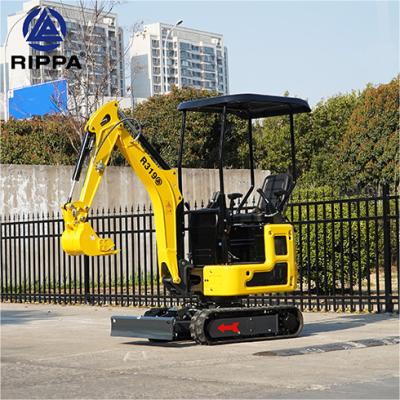
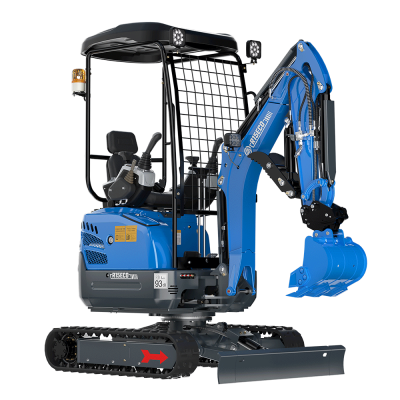
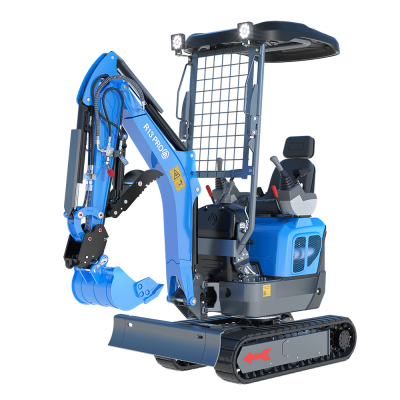
Why Choose Rippa Tracked Skid Steer Loaders
Have you ever stared at a massive backyard project—like moving a mountain of dirt or clearing thick brush—and felt completely overwhelmed? A shovel and a wheelbarrow can only do so much against a job that feels like it needs a full construction crew. But what if one machine, small enough to fit through a backyard gate, could do it all?
This solution comes in the form of the Rippa tracked skid steer loader, a compact powerhouse designed for exactly these challenges. The name sounds technical, but it’s simple: “tracked” means it uses wide tracks, like a mini-tank, to float over soft lawns and muddy ground without getting stuck or tearing up your property. “Skid steer” just means it can spin in place, making it incredibly nimble for tight landscaping projects.
In practice, a machine like this is far more than just a powerful scooper. Its real genius is in its versatility, acting as a multi-tool that transforms to fit the task at hand. The Rippa compact track loader isn’t just about moving material; it’s about unlocking new capabilities for your property. This guide explains what makes this machine a game-changer for homeowners and landowners.
What Exactly is a "Tracked Skid Steer Loader"?
You’ve probably seen these compact powerhouses on job sites, but the name "tracked skid steer loader" can sound like a mouthful. Each word describes a key feature that makes this machine so useful. The "loader" part is the most straightforward: it’s built to load material. Think of it as a super-strong, motorized shovel and wheelbarrow combined, using its powerful arms to scoop, lift, and carry heavy things like dirt, gravel, or mulch with ease.
The term "skid steer" describes how this agile machine turns. Instead of using a steering wheel like a car, it operates more like a tank. By making the tracks on one side spin at a different speed than the other, the machine "skids" to turn. This allows it to spin in a perfect circle, giving it incredible maneuverability to work in tight spaces where other equipment simply can't fit.
Finally, "tracked" tells you how it gets around. While some loaders have wheels, this Rippa loader moves on durable rubber tracks. These tracks act like snowshoes, spreading the machine's weight over a large surface area. This allows it to "float" over soft ground, wet lawns, or muddy patches without getting stuck or tearing up your yard—a key advantage that makes this mini track loader incredibly versatile.
Why Tracks Are Your Lawn's Best Friend
The genius of using tracks over wheels comes down to one simple concept: ground pressure. Think about walking in deep snow—with just boots, you sink. But on snowshoes, you glide across the surface. The tracks on a compact track loader work exactly like those snowshoes. They spread the machine’s weight over a huge area, drastically reducing the pressure on any single point of the ground.
Because the weight is so evenly distributed, the machine essentially "floats" over delicate surfaces. This is a game-changer for landscaping projects. You can drive this loader across a finished lawn to move mulch or soil without leaving deep, ugly ruts behind. A machine with wheels, which concentrates its weight onto four small patches, would likely tear up the grass. The tracks are the key to getting the job done while protecting your property.
Beyond protecting your lawn, this design gives the loader incredible grip. The tracks’ large surface area provides superior traction in mud, on wet grass, or even when working on slopes. This stability means more control and safety when conditions aren't perfect.
From Digger to Drill: The Power of Quick-Change Attachments
The true superpower of a tracked skid steer isn’t just its ability to scoop and carry; it’s the ability to become a completely different machine in minutes. Think of it like a high-powered cordless drill—the drill itself is great, but its real value comes from the endless variety of bits you can swap in. The loader works the same way, and these swappable tools are called attachments.
This quick-change magic happens at the front of the machine on a universal docking station called a Quick-Attach Plate. An operator can hydraulically unlock the standard bucket, back away, and connect a new tool without ever leaving their seat. Because this system is standardized, it ensures broad compatibility with hundreds of different skid steer attachments available on the market, turning the Rippa into a jack-of-all-trades.
With the right attachment, a single machine can take on an entire project from start to finish. Instead of just moving dirt, you can:
Attach an Auger: A giant, corkscrew-like drill bit perfect for digging uniform holes for fence posts, deck footings, or planting trees.
Attach a Grapple: A powerful pincer-like claw that makes grabbing and moving awkward items like logs, brush piles, or boulders incredibly simple.
Attach a Trencher: A long, chainsaw-like bar that digs into the ground to cut narrow, clean ditches for laying irrigation pipes or electrical cables.
Powering these tools is the machine’s hydraulic system. The engine drives a pump that sends highly pressurized fluid through hoses to the attachment, giving it the immense force needed to drill through hard soil or grip heavy logs. Handling these powerful tools effectively also depends on the machine's raw strength.
What Is the Lifting Capacity of a Rippa Loader? A Simple Guide
After seeing the power of attachments, a natural question comes to mind: just how much can this compact machine actually lift? While it might be tempting to find its absolute limit, the most important number is its Rated Operating Capacity (ROC). This is the safe, recommended weight that the machine is designed to handle all day long without tipping over or putting excessive stress on its parts.
A typical Rippa tracked loader has an ROC of around 1,000 pounds (or 450 kg). That’s more than enough strength to scoop and carry a full pallet of heavy paving stones or hoist a large, round hay bale. This impressive capability for a machine of its size is a core reason people ask, "Is Rippa a good machinery brand?"—its strength demonstrates solid, practical engineering designed for real-world tasks.
Respecting the ROC is crucial for both safety and the machine's health. Attempting to lift significantly more than this rated capacity can make the loader unstable and dangerously tippy, especially on uneven terrain. It also puts immense strain on the hydraulic system and frame, which can lead to costly damage over time. Protecting your equipment by working within its limits ensures you get lasting value, but lifting safely also requires smooth, intuitive control.
Can I Operate a Rippa Loader? A Look at the Simple Controls
Stepping into the cab of a powerful machine can seem intimidating, but learning how to operate a mini track loader is surprisingly straightforward. If you’ve ever used a modern video game controller, you’re already halfway there. Instead of a complex array of buttons and levers, the machine’s primary functions are handled by just two joysticks, one for each hand, putting all that power and precision right at your fingertips. This intuitive design strips away the complexity, allowing you to focus on the work at hand.
The logic behind the controls is simple. Your left hand manages movement: push the joystick forward to drive ahead, pull it back to reverse, and move it side-to-side to spin the loader in place. Your right hand controls the work itself, giving you command over lifting the arms and tilting the bucket. This two-stick layout is an industry standard, meaning the skills you learn are transferable whether you’re comparing a Rippa loader vs Bobcat CTL or another major brand.
Beyond the simple controls, modern loaders are built with safety as a top priority. A key item on any skid steer safety features checklist is the operator interlock system. In the Rippa loader, this is a safety bar that rests over your lap. Until you lower it into position, the joysticks and foot pedals are completely disabled. This crucial feature prevents the machine from accidentally lurching forward or moving the arms while you're getting in or out. This focus on safe operation is a good reminder that a quick daily checkup is just as important as knowing the controls.
The 5-Minute Daily Checkup to Keep Your Rippa Loader Healthy
Just like you wouldn’t start a long road trip without glancing at your car’s tires or fuel gauge, a quick "walk-around" check is the best way to keep your loader running smoothly. This isn’t about being a mechanic; it’s about catching small issues before they become big, expensive problems. This simple habit is the key to reliability and ensures your machine is ready to work whenever you are.
This simple Rippa track loader daily maintenance checklist only takes a few minutes but can save you hours of downtime. Before you start the engine, quickly inspect these four key areas:
Check the Engine Oil: Just like in your car, pull the dipstick to make sure the oil level is correct. This is the lifeblood of the engine.
Inspect the Tracks: Take a quick walk around the machine. Look for any obvious damage to the rubber tracks or excessive looseness. Proper compact track loader undercarriage care prevents getting stuck or causing more serious damage.
Glance at Fluid Levels: Your loader has see-through reservoirs for coolant and hydraulic fluid. Hydraulic fluid is the machine's muscle—it’s what powers the lifting arms. Make sure these fluids aren't running low.
Look for Leaks: Check the ground underneath the machine for any new drips or puddles, which could signal a loose hose.
Spending five minutes on this routine is one of the best ways to avoid common problems with any machine. It puts you in control and gives you peace of mind. This focus on smart ownership brings up a larger question: is a budget-friendly machine like a Rippa loader the right financial choice compared to established brands?
Rippa vs. Bobcat: Is a Budget-Friendly Loader the Smart Choice?
That question of cost brings up one of the most important decisions a buyer can make. In the world of compact equipment, the choice often comes down to a premium, household name like Bobcat versus a value-focused brand like Rippa. Think of it like buying a car: you can choose a luxury brand with all the latest technology and a huge dealership network, or a reliable economy brand that delivers excellent performance for a fraction of the cost. Both will get you where you need to go, but they are built for different priorities.
This leads many to ask, "Is Rippa a good machinery brand?" The answer depends on what you value. Rippa’s strategy is to be the best budget compact track loader for property owners and smaller businesses. By focusing on essential power and core functionality, the Rippa mini skid steer price range is significantly lower than premium competitors. You get a capable, brand-new machine that can do the heavy lifting, without paying for features or a brand name you may not need.
When considering a Rippa loader vs Bobcat CTL, the trade-off is typically between price and infrastructure. With a premium brand, part of the higher cost covers extensive dealer support, immediate parts access, and cutting-edge creature comforts. With a value-focused machine like a Rippa, you get a simpler, more mechanical workhorse. It’s built to be straightforward and effective, prioritizing the engine, hydraulics, and frame over complex electronics and a nationwide service footprint.
The smart choice depends on how you’ll use the machine. A contractor who runs their loader eight hours a day might find the instant support of a premium brand essential for their business. However, for a homeowner, farmer, or DIY enthusiast who needs a powerful tool for periodic projects, saving tens of thousands of dollars on a capable, budget-friendly machine is often the most logical and financially sound decision.
Is a Rippa Tracked Skid Steer the Right Machine For You?
You no longer just see a mysterious “mini-tank” on a job site. You now understand it as a powerful partner that combines the versatility of a multi-tool with the strength of a small crew. What once seemed like complex equipment is now clear: a key that unlocks your property’s potential, all in a size that fits right in your backyard.
This knowledge empowers you to read any Rippa compact track loader review with confidence. You can now determine if you are the right fit—the homeowner with large acreage, the ambitious DIYer, or the landscaper starting a business. When it’s time to choose a Rippa tracked skid steer loader, you’re not just browsing a catalog; you’re evaluating a solution for your specific goals.
The next time you face a mountain of mulch or an overgrown field, you won’t feel overwhelmed. Instead, you'll see a project you now have the power to conquer, armed with the understanding of what the right tool can truly do.