2 Ton Mini Excavator for Sale: What Buyers Should Check Before Ordering
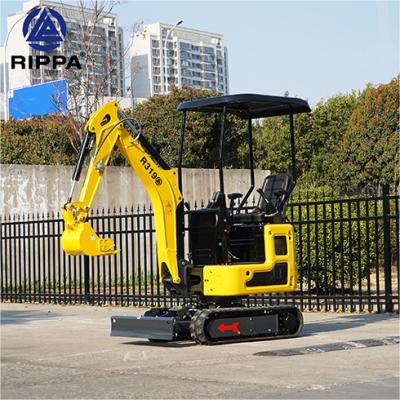
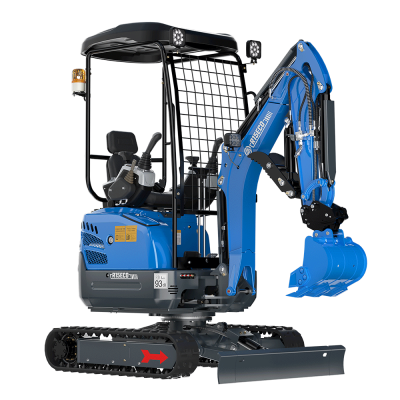
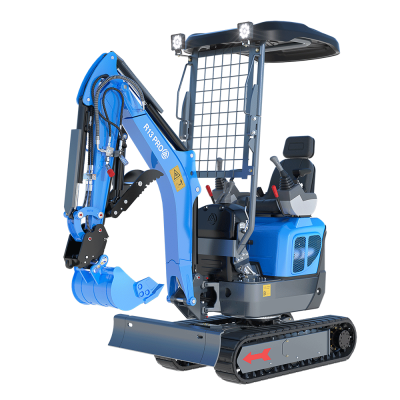
A 2 ton mini excavator is a practical option for contractors and equipment distributors who need compact digging equipment for projects with limited working space. It offers a balance between working capability, transportation convenience, and jobsite flexibility.
Compared with larger excavators, a compact machine can be easier to move between residential projects, landscaping sites, agricultural properties, and small construction areas. For businesses serving customers with different project requirements, this equipment category can also help expand an existing product range.
Buyers searching for a 2 ton mini excavator for sale should look beyond the advertised machine category. The right purchasing decision depends on the intended applications, operating environment, machine configuration, and supplier reliability.
Where Can a 2 Ton Mini Excavator Be Used?
Understanding the main applications helps buyers select equipment that matches local market demand.
Residential Construction
Residential construction often involves narrow access routes, restricted working areas, and limited space for large machinery. A compact excavator can support foundation preparation, trenching, drainage work, and other small-scale excavation tasks.
For contractors handling residential projects, machine dimensions and transportation arrangements are important considerations.
Landscaping and Garden Projects
Landscaping businesses frequently work around existing buildings, gardens, driveways, and other obstacles. A 2 ton mini excavator can be considered for soil removal, ground preparation, planting areas, and small excavation projects.
The availability of suitable attachments may also influence its usefulness across different landscaping tasks.
Agricultural Applications
Farm owners and agricultural contractors may use compact excavators for drainage channels, irrigation-related excavation, property maintenance, and other ground preparation work.
When evaluating equipment for agricultural use, buyers should consider the working conditions, soil type, access requirements, and expected frequency of operation.
Utility and Maintenance Work
Small construction and maintenance contractors may need equipment for cable trenching, pipe installation, and other utility-related tasks.
A compact excavator can be a suitable option where larger equipment would be difficult to position or transport.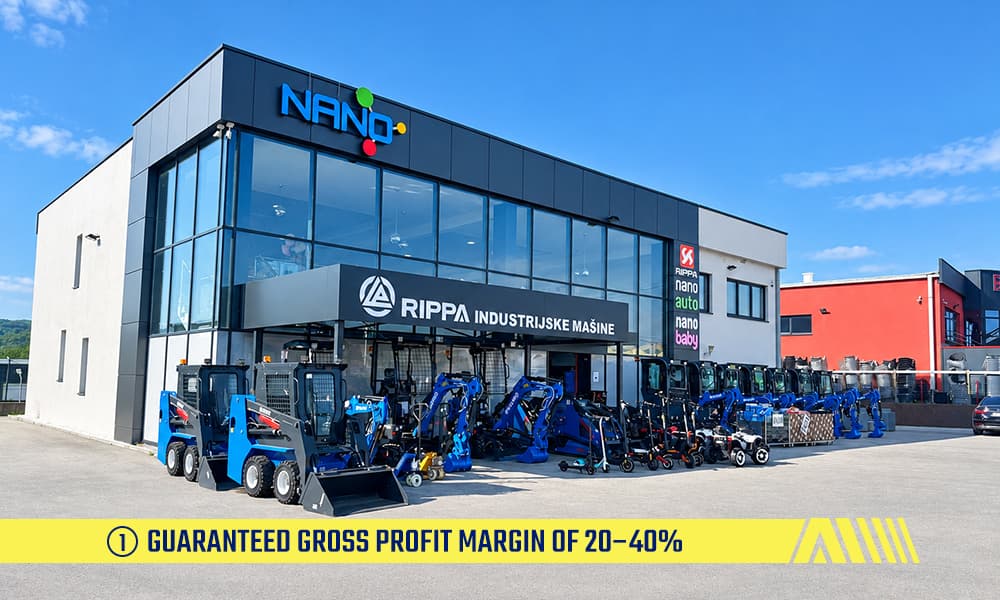
How to Choose the Right 2 Ton Mini Excavator
Not every machine in the same weight category is designed for identical working conditions. Buyers should compare several factors before choosing a model.
1. Evaluate the Working Environment
Start by identifying where the excavator will operate.
Consider:
Available working space and access width
Ground conditions and terrain
Required digging depth and working range
Frequency of transportation between jobsites
Typical tasks performed by the end user
These details help buyers determine whether a particular machine configuration is suitable for their market.
2. Check Engine and Hydraulic System Options
The engine and hydraulic system are important parts of an excavator's overall performance.
When comparing suppliers, ask for the available engine configurations, hydraulic system information, maintenance requirements, and relevant documentation.
Do not rely only on general descriptions such as powerful engine or high-performance hydraulics. Request actual configuration details and confirm that the supplied machine matches the quotation.
3. Compare Attachments and Compatibility
Different customers may require different attachments depending on their applications.
Before ordering, confirm which attachments are available, how they connect to the machine, and whether the supplier can provide the information needed for correct operation.
For distributors, offering suitable attachment options can help address a wider range of customer requirements.
4. Review Operator Comfort and Maintenance Access
Operator comfort and routine maintenance can affect the overall ownership experience.
Buyers should review the operator area, control layout, access to routine maintenance points, and availability of service documentation.
For businesses purchasing multiple machines, consistent configurations and accessible maintenance information can make future support easier to organize.
How to Evaluate a 2 Ton Mini Excavator Supplier
Finding a machine for sale is only one part of the purchasing process. Choosing a dependable supplier is equally important, particularly for overseas distributors and wholesale buyers.
Manufacturer or Trading Company?
Buyers should understand whether they are dealing directly with a manufacturer or through a trading company.
A manufacturer may provide more direct access to production information, product configuration discussions, and factory communication. However, buyers should verify the supplier's actual manufacturing capabilities rather than relying on website descriptions alone.
Useful verification steps include:
Reviewing the company's official website and product range
Requesting factory information and business documentation
Asking for current product catalogs and configuration details
Confirming export experience and destination-market support
Checking whether spare parts and technical documents are available
Ask About Export and Delivery Arrangements
International orders involve more than the machine purchase price.
Before confirming an order, clarify the shipping method, packaging arrangements, delivery terms, required export documents, and responsibilities for transportation-related costs.
For distributors, predictable communication and clear order documentation are especially important when planning inventory.
Confirm Spare Parts and After-Sales Support
A supplier's support capability can influence long-term business relationships.
Ask whether commonly required spare parts are available, how parts inquiries are handled, and what technical information can be provided to overseas customers.
It is also useful to clarify the process for reporting product issues and obtaining assistance after delivery.
What Affects the Purchase Cost of a 2 Ton Mini Excavator?
The price of a 2 ton mini excavator can vary between manufacturers and configurations. Buyers should compare complete quotations instead of selecting a supplier based only on the lowest advertised price.
Several factors can affect the final purchasing cost:
Engine configuration: Different engine options may result in different equipment costs.
Hydraulic components: Component brands and system configurations can influence the quotation.
Attachments: Additional working tools may change the total order value.
Cab and operator configuration: Different operator-area options can affect the final specification.
Shipping and logistics: Freight, packaging, customs duties, and local handling costs should be considered.
Order quantity: Wholesale orders may involve different commercial terms from individual purchases.
For distributors, calculating the complete landed cost is more useful than comparing factory prices alone.
Checklist Before Ordering a 2 Ton Mini Excavator
Before placing an order, buyers should confirm the following information:
Is the machine suitable for the intended applications and local working conditions?
Are the engine and hydraulic configurations clearly documented?
Are the available attachments compatible with the machine?
Has the supplier provided a complete quotation?
Are shipping terms and export documents confirmed?
Is there a clear process for spare parts and technical support?
Can the supplier provide consistent product information for future orders?
A clear purchasing checklist helps reduce misunderstandings and makes supplier comparisons more reliable.
Why Work with RIPPA Group?
RIPPA Group is a Chinese construction machinery manufacturer based in Jining, Shandong, China. Its product range includes mini excavators, larger excavators, skid steer loaders, wheel loaders, and other construction equipment.
For overseas distributors and machinery businesses, working with a manufacturer involves evaluating more than an individual machine. Product range, production capabilities, export experience, communication, and ongoing business support all matter.
RIPPA works with international customers across markets in Europe and North America. Businesses interested in purchasing compact excavators can contact the company to discuss available models, configurations, and wholesale cooperation opportunities.
If you are comparing a 2 ton mini excavator for sale for your business, request detailed product information and a quotation based on your intended applications and destination market.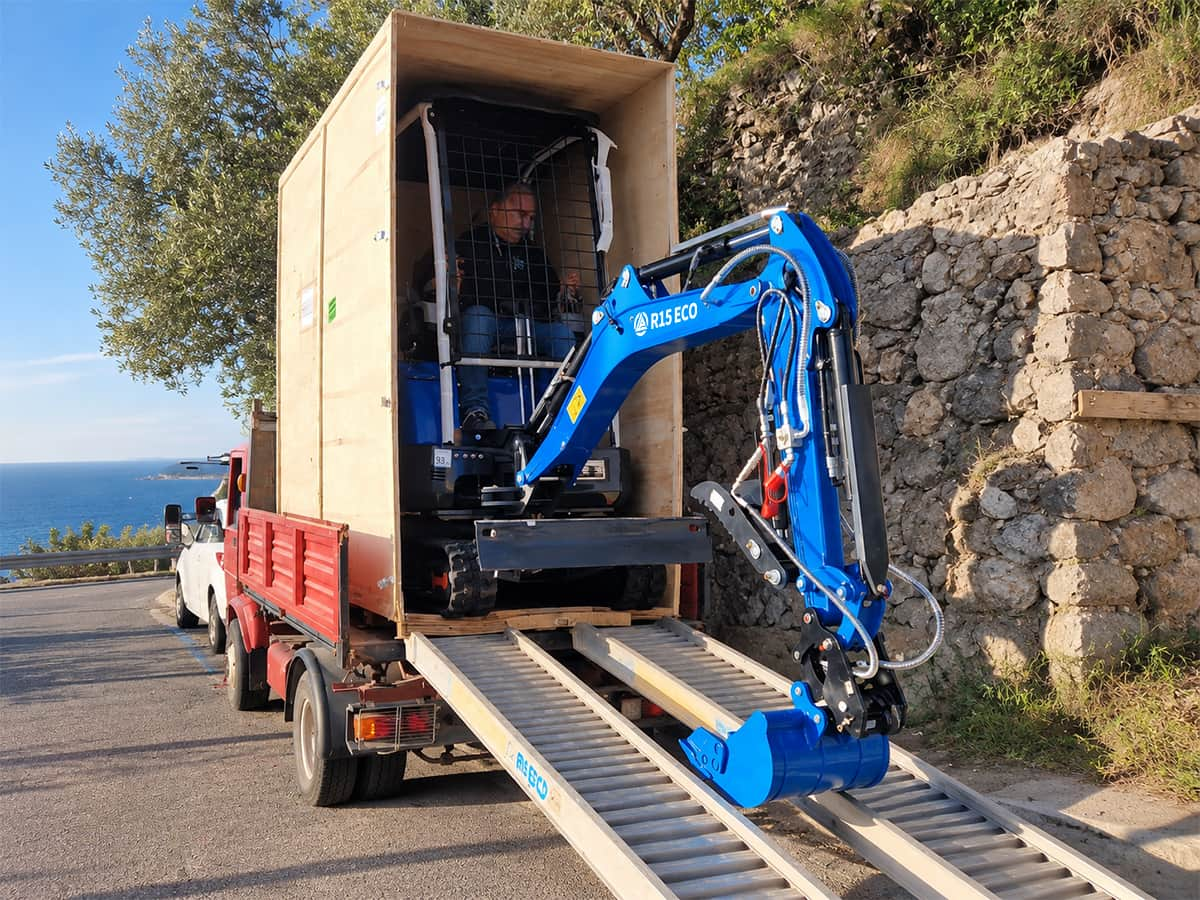
Frequently Asked Questions
Is a 2 ton mini excavator suitable for small construction projects?
It can be suitable for many small construction applications, including residential excavation, landscaping, drainage, and utility work. Buyers should confirm that the machine's actual configuration meets the requirements of their projects.
What should I compare when buying a 2 ton mini excavator?
Compare the machine configuration, engine and hydraulic systems, attachment compatibility, supplier qualifications, shipping arrangements, and after-sales support.
Should I buy directly from a mini excavator manufacturer?
Buying directly from a verified manufacturer can provide more direct communication about product configurations and production information. Buyers should still check the manufacturer's credentials, export experience, and support arrangements.
Can distributors purchase 2 ton mini excavators in bulk?
Many manufacturers work with overseas distributors and wholesale buyers. Contact the supplier to confirm available models, order requirements, commercial terms, and delivery arrangements.
How can I get a quotation for a 2 ton mini excavator?
Provide the supplier with your destination country, intended applications, preferred configuration, attachment requirements, and expected order quantity. This information helps the supplier prepare a more relevant quotation.