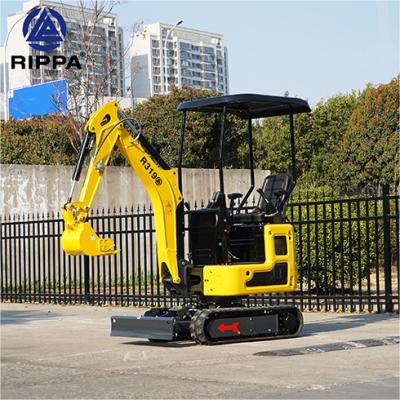
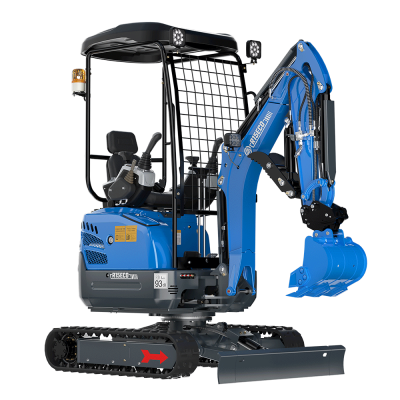
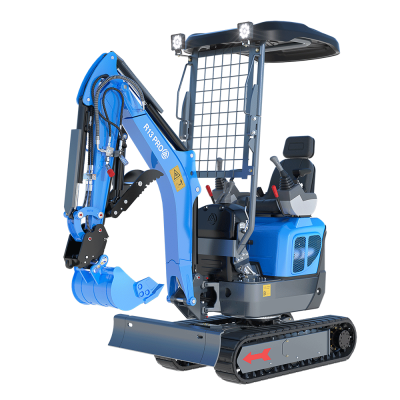
Skid Steer Loader Manufacturer: How to Choose the Right Supplier for Your Business
Why Does Choosing the Right Skid Steer Loader Manufacturer Matter?
For construction equipment distributors and machinery dealers, selecting a skid steer loader manufacturer is an important part of building a competitive product portfolio.
A skid steer loader is used across construction, agriculture, landscaping, property maintenance, and material handling. Its versatility makes it attractive to customers who need one machine to perform different tasks with compatible attachments.
However, manufacturers differ in their product ranges, component configurations, production capabilities, export experience, and customer support arrangements.
For overseas buyers, the challenge is not simply finding a skid steer loader for sale. It is identifying a supplier that can provide accurate product information, communicate clearly, and support a long-term purchasing relationship.
What Should You Look for in a Skid Steer Loader Manufacturer?
Before requesting quotations, evaluate potential manufacturers using several practical criteria.
1. Verify the Manufacturer's Business Background
Start by confirming whether the supplier is an actual manufacturer or a trading company.
Review its official website, company information, factory background, product portfolio, and business documentation.
You can also request:
Company registration information
Factory photographs or video
Production process information
Product catalogs
Export business references where available
If the supplier claims to manufacture its own equipment, it should be able to explain its production operations and provide relevant supporting information.
2. Review the Product Range
A manufacturer with a clear skid steer loader product range can help distributors serve customers with different working requirements.
When reviewing available products, consider:
Different machine configurations
Operating arrangements
Engine options
Hydraulic system information
Available attachments
Maintenance and operation documentation
Do not assume that machines with similar appearances have identical configurations. Request detailed information about the exact product being quoted.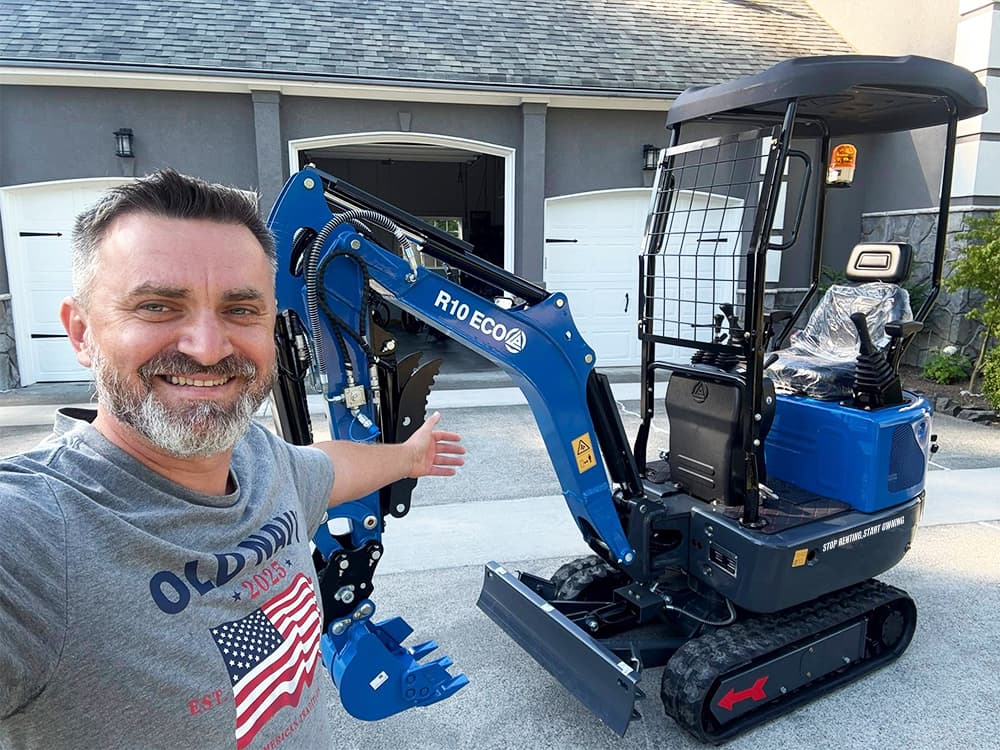
3. Understand Manufacturing and Quality Processes
Product consistency matters when dealers purchase equipment repeatedly.
Ask how the manufacturer manages production, component selection, assembly, and final inspection.
Buyers should also confirm what inspection documents or quality records can be provided before shipment.
For distributors building their own equipment brands or sales channels, consistent product information and dependable order communication are especially important.
How to Evaluate Skid Steer Loader Configurations
A skid steer loader's usefulness depends on how well its configuration matches the intended application.
Engine and Hydraulic System
The engine and hydraulic system are important considerations when comparing equipment.
Ask the manufacturer about the available engine options, hydraulic components, maintenance requirements, and relevant documentation.
For businesses purchasing machines for different customer groups, understanding configuration differences makes it easier to recommend suitable equipment.
Operating Design
Different customers may have different preferences regarding machine operation and working arrangements.
Review the operator controls, visibility, access, and general working environment.
If possible, request product videos or arrange a demonstration to understand how the machine is operated.
Attachment Compatibility
One of the main advantages of skid steer loaders is their ability to work with different attachments.
Depending on the machine configuration and compatibility, potential applications may include:
Bucket work for material handling
Fork attachments for pallet movement
Augers for suitable drilling applications
Trenchers for ground preparation
Grapples for handling suitable materials
Snow removal attachments for relevant markets
Before purchasing, confirm the attachment connection system, hydraulic requirements, and compatibility with the selected machine.
A machine should not be assumed to support every attachment simply because it belongs to the skid steer loader category.
Which Industries Need Skid Steer Loaders?
Understanding end-user applications helps distributors select the right products for their local markets.
Construction and Building Projects
Construction contractors use skid steer loaders for material movement, site preparation, debris handling, and other supporting tasks.
Compact equipment can be useful on projects where maneuverability and flexible attachment options are important.
Landscaping and Ground Maintenance
Landscaping businesses may need to move soil, gravel, mulch, and other materials.
With suitable attachments, skid steer loaders can support ground preparation, property maintenance, and outdoor construction activities.
Agriculture and Farm Operations
Agricultural businesses may use skid steer loaders for handling feed, moving materials, cleaning work areas, and maintaining farm properties.
The appropriate configuration depends on the working environment and the materials being handled.
Warehousing and Material Handling
Some businesses require compact machinery to move materials around storage and loading areas.
Before selecting equipment for these applications, consider available space, floor conditions, load requirements, and operating safety.
How to Compare Skid Steer Loader Manufacturers in China
China is an important sourcing market for construction machinery. Overseas buyers comparing Chinese skid steer loader manufacturers should evaluate more than advertised prices.
Compare Complete Quotations
A quotation should clearly identify the machine configuration, included attachments, accessories, packaging, and commercial terms.
When comparing different suppliers, make sure the quotations cover equivalent products.
A lower initial price may not represent better value if important components or accessories are excluded.
Check Export Experience
International machinery purchases involve logistics, customs documentation, and delivery coordination.
Ask the supplier about its experience with your destination market and clarify:
Available export documents
Packaging and loading arrangements
Shipping methods
Delivery terms
Responsibility for freight and other costs
Buyers should also check applicable import requirements in their own countries before placing an order.
Confirm Spare Parts and Technical Support
For equipment dealers, after-sales arrangements can influence customer satisfaction and repeat business.
Ask whether spare parts can be requested, what technical documents are available, and how product-related questions are handled.
Confirm the actual support process in writing instead of relying on general marketing statements.
What Should Distributors Consider Before Wholesale Purchasing?
Wholesale purchasing requires planning beyond the selection of individual machines.
Understand Local Market Demand
Identify the industries and customers most likely to purchase skid steer loaders in your market.
A distributor serving landscaping companies may need a different product mix from a business supplying construction contractors or agricultural operators.
Researching local applications helps avoid purchasing machines that do not match customer requirements.
Plan Inventory and Product Selection
Consider your available capital, storage capacity, expected demand, and delivery schedule.
Rather than ordering a large quantity of one configuration immediately, evaluate which products are most relevant to your target customers.
Discuss order quantities and available configurations with the manufacturer before confirming an order.
Prepare Product Information for Sales
Dealers should have accurate product descriptions, photographs, confirmed configurations, and application information ready for their sales channels.
This helps customers understand the equipment and makes quotation discussions more efficient.
Avoid publishing specifications or performance claims that have not been verified by the manufacturer.
Work with RIPPA for Construction Equipment Supply
RIPPA Group is a Chinese construction machinery manufacturer headquartered in Jining, Shandong, China.
Its product portfolio includes skid steer loaders, mini excavators, larger excavators, wheel loaders, and other construction equipment.
For overseas machinery dealers and distributors, working with a manufacturer that offers multiple equipment categories can create opportunities to expand product selection and serve different customer groups.
Businesses interested in skid steer loader sourcing can contact RIPPA to request product information, confirm available configurations, and discuss wholesale cooperation.
Whether you are establishing a new equipment dealership or expanding an existing product portfolio, evaluate the manufacturer's production background, product documentation, export arrangements, and support capabilities before making a purchasing decision.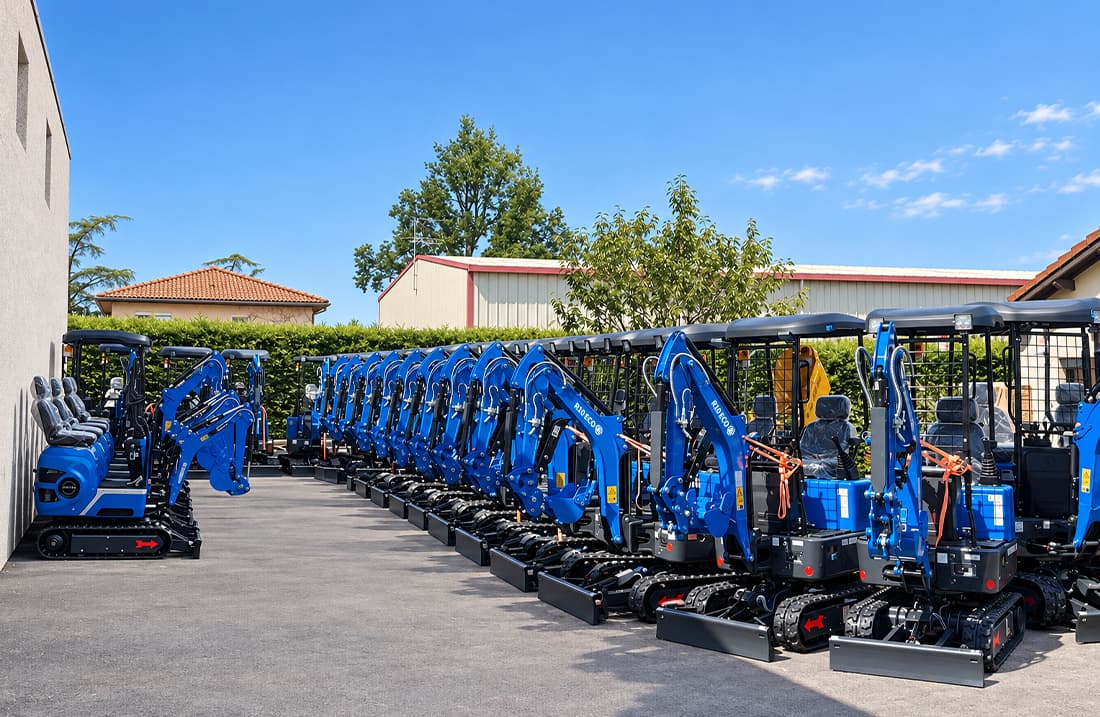
Frequently Asked Questions
How do I find a reliable skid steer loader manufacturer?
Review the manufacturer's business background, factory information, product range, configuration details, export experience, and spare parts arrangements. Request supporting documentation before placing an order.
What is the difference between a skid steer loader manufacturer and a supplier?
A manufacturer produces equipment, while a supplier may manufacture, distribute, or trade machinery. Buyers should confirm the company's actual business role before entering a purchasing relationship.
Can I buy skid steer loaders directly from a Chinese manufacturer?
Yes. Overseas businesses can contact Chinese manufacturers directly to discuss machine configurations, order quantities, export arrangements, and commercial terms.
What attachments should I consider when buying a skid steer loader?
Common options include buckets, forks, augers, trenchers, and grapples. Actual availability depends on machine configuration and attachment compatibility.
What should a distributor check before placing a bulk order?
Confirm product configurations, order quantities, complete purchasing costs, shipping arrangements, import requirements, spare parts availability, and technical support processes.