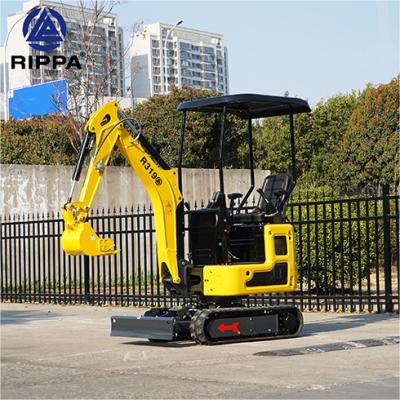
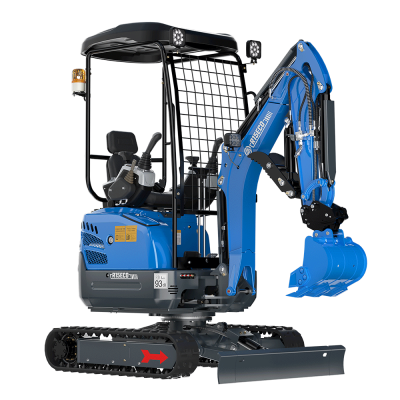
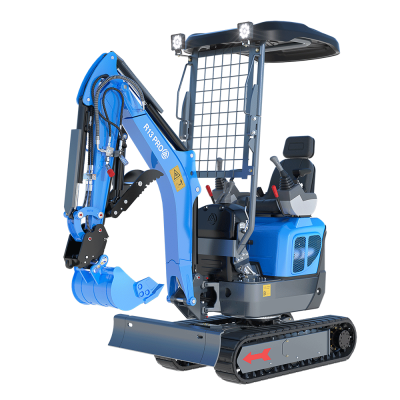
Mini Excavator Dealer: How to Choose the Right Equipment Supplier for Your Business
What Does a Mini Excavator Dealer Need from a Supplier?
For a construction equipment dealer, choosing a mini excavator supplier is a business decision that affects product availability, customer satisfaction, and long-term profitability.
A dealer does more than purchase machinery and resell it. The business also needs to understand local customer requirements, explain product differences, coordinate deliveries, and respond to customer questions after a sale.
This means the right supplier should offer more than an attractive quotation. Product consistency, clear communication, export experience, and access to technical information all matter.
For businesses entering the compact equipment market, establishing a reliable manufacturer relationship can provide a foundation for future growth.
How to Evaluate a Mini Excavator Manufacturer
Before establishing a dealership relationship, compare potential suppliers using several practical criteria.
1. Check the Manufacturer's Product Range
A supplier with a clear product portfolio makes it easier for dealers to identify equipment suitable for different customer groups.
Consider whether the manufacturer offers different excavator categories and configurations for applications such as:
Residential construction
Landscaping and property maintenance
Agricultural projects
Drainage and utility work
Small-scale excavation
A wider equipment portfolio may also create opportunities to serve customers who need more than one type of construction machine.
However, product range should not be the only selection criterion. Dealers should confirm that the supplier can provide accurate product information for every machine they plan to promote.
2. Review Manufacturing Capabilities
Dealers should understand whether a potential supplier is an actual manufacturer, trading company, or distributor.
Useful verification steps include reviewing the company's business documentation, factory information, production background, and official product materials.
When possible, request a factory video meeting or arrange an on-site visit.
Understanding the supplier's manufacturing operations can help dealers assess its ability to support ongoing orders and maintain product consistency.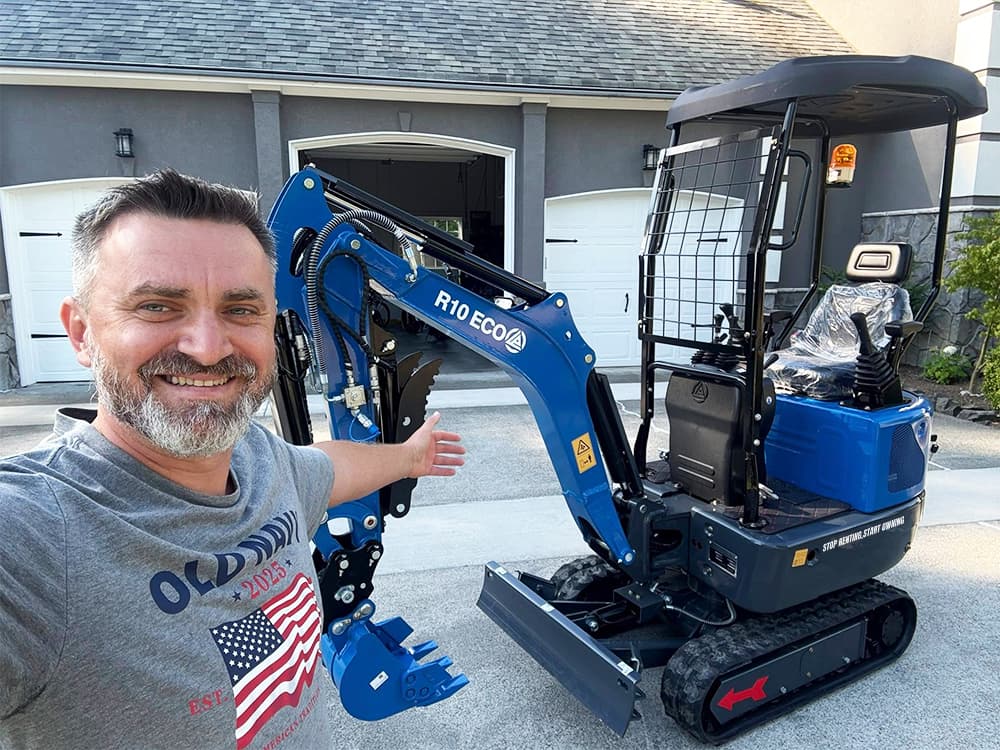
3. Confirm Product Information and Documentation
A professional supplier should be able to provide clear information about the machines being offered.
Before listing a model in your local catalog, confirm:
Available machine configurations
Engine and hydraulic system information
Operator-area options
Compatible attachments
Product manuals and maintenance information
Applicable certificates and supporting documents
Do not assume that every machine in the same product category has identical components or specifications. Confirm the exact configuration for each order.
What Should a Mini Excavator Dealer Compare Before Placing an Order?
Once potential suppliers have been shortlisted, the next step is comparing their commercial offers.
Machine Configuration
Start by confirming that the quoted machine matches the requirements of your target customers.
For example, contractors working in residential areas may prioritize compact dimensions and convenient transportation. Agricultural customers may have different expectations based on soil conditions and working environments.
Understanding these differences helps dealers select a product mix that reflects actual local demand.
Complete Purchase Cost
The initial machine price is only one part of the total purchasing cost.
A dealer should consider:
Machine purchase price
Included attachments and accessories
Packaging and loading costs
International freight
Customs duties and import charges
Local transportation and handling
Comparing complete landed costs gives businesses a more realistic view of their purchasing budget.
Order Consistency
For businesses planning repeat purchases, consistency is especially important.
Ask the supplier whether product configurations can be clearly documented and whether future orders can follow the same agreed specifications.
This makes it easier to maintain accurate product listings, prepare customer quotations, and organize inventory.
How Can Dealers Build a Strong Mini Excavator Product Line?
A successful equipment dealership should select products based on customer demand rather than simply listing every available model.
Identify Your Main Customer Groups
Start by identifying the businesses and end users you want to serve.
Common customer groups include:
Small construction contractors
Landscaping companies
Agricultural businesses
Property maintenance operators
Equipment rental businesses that purchase machinery for their own fleets
The final group is included as a potential equipment buyer, not as a rental service offered by the manufacturer.
Different customer groups may require different equipment configurations. A clear understanding of local demand helps dealers avoid purchasing unsuitable inventory.
Select Products for Different Applications
A balanced product line can address several customer needs.
Instead of concentrating all purchasing resources on one machine category, consider whether your market also has demand for other construction equipment.
For example, some customers may need compact excavators for digging work, while others may be interested in skid steer loaders or wheel loaders for material handling.
Dealers working with a manufacturer that offers multiple equipment categories may have more opportunities for cross-selling.
Prepare Accurate Product Listings
Online product pages are often the first place potential customers learn about your equipment.
Each listing should include clear product photographs, confirmed configurations, application information, and relevant purchasing details.
Avoid publishing unverified specifications or making promises that cannot be supported by the manufacturer.
Accurate product information helps build customer confidence and reduces unnecessary questions during the sales process.
Why After-Sales Support Matters to Equipment Dealers
A dealer's relationship with customers continues after the machine has been delivered.
Customers may need maintenance information, replacement parts, technical documents, or assistance understanding machine operation.
Before choosing a supplier, clarify:
Spare parts: Ask how parts inquiries are handled and what information is required to identify replacement components.
Technical documentation: Confirm the availability of manuals, maintenance guidance, and product information.
Issue communication: Understand how product-related questions and service requests are submitted and followed up.
Warranty terms: Request the actual written warranty conditions for the relevant machine and destination market rather than relying on general statements.
Clear support arrangements help dealers organize their own customer service processes.
Questions to Ask Before Becoming a Mini Excavator Dealer
Before signing a distribution agreement or placing an initial order, ask the supplier:
Which mini excavator models are currently available?
Can the manufacturer provide detailed product configurations?
What are the minimum order requirements?
Which export documents can be provided?
What shipping and delivery arrangements are available?
How can overseas dealers request spare parts?
What technical documentation is available?
Are there any territory or distribution conditions?
How are product issues and warranty requests handled?
Getting these answers in writing makes it easier to compare manufacturers and establish clear business expectations.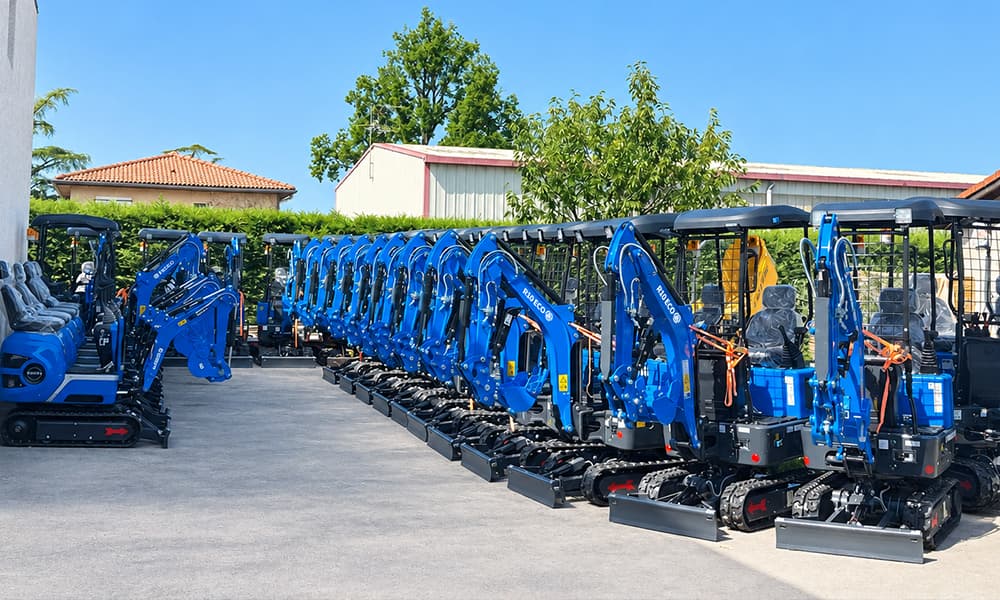
Work with RIPPA for Construction Equipment Supply
RIPPA Group is a Chinese construction machinery manufacturer headquartered in Jining, Shandong, China.
Its product portfolio includes mini excavators, larger excavators, skid steer loaders, wheel loaders, and other construction machinery.
For overseas dealers and distributors, RIPPA offers an opportunity to discuss equipment sourcing across multiple product categories.
Businesses interested in becoming a mini excavator dealer can contact RIPPA to request product information, confirm available configurations, and discuss potential wholesale cooperation.
Whether you are developing a new dealership or expanding an existing construction equipment business, start with a clear understanding of your target market, purchasing requirements, and expected product range.
Frequently Asked Questions
What should I look for in a mini excavator dealer supplier?
Look for a supplier with verifiable business and manufacturing information, clear product configurations, export experience, spare parts arrangements, and responsive communication.
Can I become a dealer for a Chinese mini excavator manufacturer?
Many Chinese manufacturers work with overseas distributors and equipment dealers. Contact the manufacturer directly to confirm its current cooperation requirements and commercial conditions.
How many mini excavators should a new dealer order?
The appropriate order quantity depends on local demand, available capital, storage capacity, and customer commitments. Discuss order requirements with the supplier before making an inventory decision.
Should equipment dealers work directly with manufacturers?
Direct manufacturer communication can help dealers obtain product information and discuss configurations more efficiently. However, buyers should verify manufacturing capabilities and support arrangements before entering a business relationship.
Can a mini excavator dealer also sell other construction equipment?
Yes. Depending on local demand, dealers may expand into related categories such as skid steer loaders and wheel loaders to serve a broader customer base.