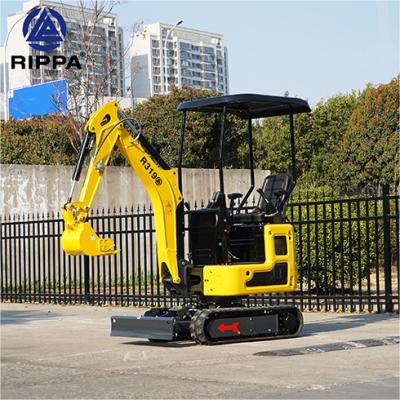
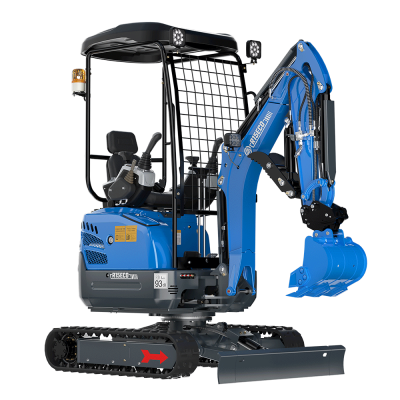
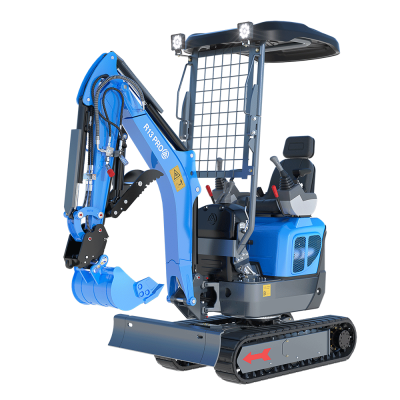
2.5 Ton Mini Excavator: Applications for Construction, Landscaping, and Farm Work
Construction contractors and agricultural businesses often need excavation equipment that can handle demanding ground preparation tasks while remaining practical for smaller working environments.
A 2.5 ton mini excavator is one category worth considering for businesses that need more excavation capability than smaller compact machines can provide.
From residential construction to farm maintenance, choosing the right excavator requires understanding the relationship between machine configuration and working requirements.
1. What Jobs Can a 2.5 Ton Mini Excavator Handle?
A 2.5 ton mini excavator can be considered for a range of small and medium-sized excavation applications, depending on its actual configuration.
Residential Construction
Residential projects involve foundation preparation, drainage installation, soil removal, and outdoor renovation.
Compact excavators can help contractors perform excavation work around existing buildings and restricted construction areas.
Landscaping and Ground Preparation
Landscaping businesses frequently work with soil, roots, garden structures, and uneven ground.
Common applications include:
Garden renovation
Tree and shrub planting preparation
Ground leveling
Soil removal
Small excavation projects
The right attachment and machine configuration help determine suitability for each task.
Farm and Agricultural Work
Agricultural properties require regular ground maintenance and small construction projects.
A mini excavator may be used for drainage preparation, soil movement, property improvement, and other excavation activities.
2. Why Consider a 2.5 Ton Mini Excavator?
When selecting construction equipment, buyers should consider the relationship between machine size and daily workload.
A machine that is too small may struggle with demanding tasks, while oversized equipment may be difficult to transport or operate in restricted spaces.
A 2.5 ton class excavator can be worth evaluating when businesses need a balance between compact equipment and broader excavation applications.
Important considerations include:
Working area and access conditions
Excavation depth requirements
Ground and soil conditions
Transportation arrangements
Attachment compatibility
Expected daily workload
Buyers should always confirm the manufacturer's technical documentation before making a final decision.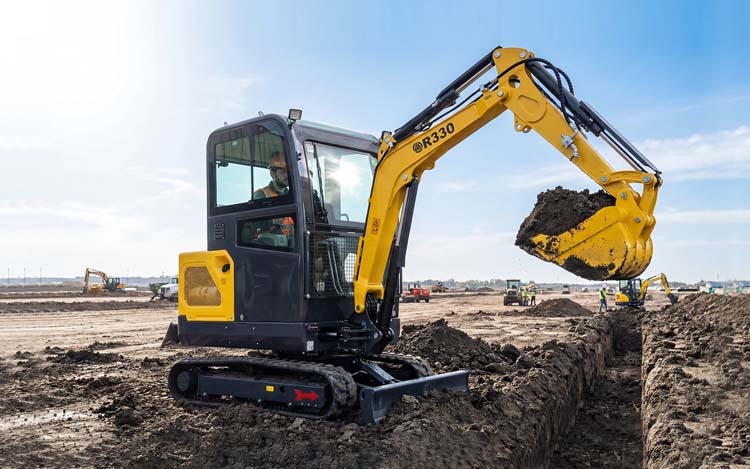
3. What to Check Before Buying a 2.5 Ton Excavator
Operating Weight and Transportation
Transportation requirements should be evaluated before ordering.
Check the complete transportation weight, loading arrangements, trailer capacity, and applicable road regulations in the destination market.
Engine and Hydraulic Configuration
Engine selection and hydraulic performance influence how an excavator operates under different working conditions.
Buyers should compare the actual machine configuration with their expected workload rather than relying on general category descriptions.
Working Range
Digging depth, reach, unloading height, and machine dimensions are important when planning excavation projects.
The manufacturer's technical drawings should be reviewed to confirm whether the equipment can meet the required working range.
Maintenance and Parts Support
A suitable supplier should be able to provide clear maintenance information, replacement parts communication, and technical support.
These factors are especially important for businesses purchasing equipment for regular commercial operations.
4. How to Compare Mini Excavator Models
When comparing different excavator models, buyers should avoid making decisions based on operating weight alone.
A useful comparison should include:
| Evaluation Factor | What Buyers Should Check |
|---|---|
| Machine size | Working area and access |
| Engine | Available engine configuration |
| Hydraulic system | Compatibility with intended work |
| Digging performance | Required depth and working reach |
| Attachments | Available tools and compatibility |
| Maintenance | Service access and parts availability |
| Supplier | Manufacturing and after-sales support |
For businesses evaluating the RIPPA R330, it is important to confirm the current model specifications and configuration directly with the manufacturer.
5. RIPPA Mini Excavators for International Buyers
RIPPA manufactures compact construction machinery and supplies equipment to international markets.
The RIPPA R330 is among the mini excavator models buyers can evaluate when sourcing compact excavation equipment.
For contractors, the purchasing process should begin with a clear understanding of the intended applications.
For distributors and importers, additional considerations include order quantities, product configuration, manufacturing arrangements, shipping destinations, and spare parts requirements.
Working directly with a manufacturer can help buyers obtain product information and discuss their purchasing requirements.
6. How to Request a Mini Excavator Quotation
Before contacting a supplier, prepare the following information:
Required excavator model or machine category
Main working applications
Preferred engine and configuration
Required attachments
Destination country
Expected order quantity
This information helps the manufacturer understand the purchasing requirements and provide a more relevant quotation.
Conclusion
A 2.5 ton mini excavator can be a practical equipment option for contractors and agricultural businesses handling residential construction, landscaping, and ground preparation.
The best purchasing decision depends on working requirements, machine configuration, transportation, attachments, and supplier support.
RIPPA provides compact excavator solutions for international machinery buyers and distributors.
Contact RIPPA to request R330 product information, technical documentation, and a quotation for your market.