How Mini Excavators Improve Productivity on Small Construction Sites
Small construction projects often require more than manual labor but do not have enough space for large construction equipment. Residential construction, landscaping, drainage installation, and property improvement projects all involve excavation work in areas where maneuverability matters.
A compact mini excavator provides a practical solution for contractors who need digging capability while working in limited spaces. Instead of relying entirely on manual excavation, operators can use compact equipment to complete repetitive ground preparation tasks more efficiently.
1. Why Small Construction Sites Need Compact Excavators
Working on a small construction site presents several challenges. Access routes may be narrow, working areas may be restricted, and existing buildings or landscaping may limit equipment movement.
A compact excavator helps address these conditions through its smaller working footprint and tracked undercarriage.
Common advantages include:
Easier movement around residential properties
More controlled excavation in confined areas
Reduced dependence on manual digging
Practical operation on smaller construction sites
Flexibility across different ground preparation tasks
For contractors handling multiple small projects, compact equipment can become an important part of daily operations.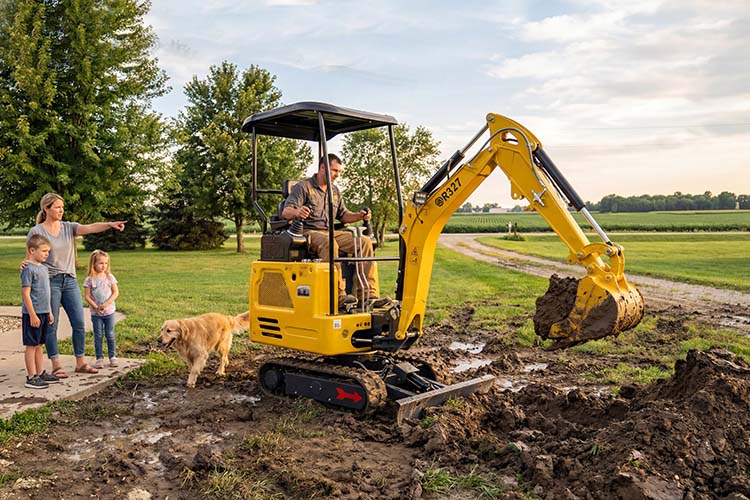
2. Common Applications of Mini Excavators
Residential Construction
Residential construction frequently involves foundation preparation, ground leveling, drainage installation, and utility trenching.
A mini excavator can help contractors complete these tasks without bringing oversized equipment onto a residential property.
Landscaping and Garden Development
Landscaping projects require precise soil removal and ground preparation.
Typical applications include:
Garden renovation
Tree planting preparation
Soil removal
Landscape grading
Small retaining wall preparation
Compact excavators are particularly useful when operators need to work around existing lawns, pathways, and garden structures.
Drainage and Utility Installation
Drainage projects often require narrow excavation areas and controlled digging.
A mini excavator can help prepare trenches for drainage pipes, water lines, and other underground utility installations.
Operators should always confirm underground utility locations before excavation.
3. How to Choose a Mini Excavator for Small Projects
Choosing the right machine requires evaluating the actual working environment rather than focusing only on the purchase price.
Evaluate Jobsite Access
Measure entrance widths, available turning space, and transportation access before selecting equipment.
A machine that cannot enter the working area will not provide practical value, regardless of its performance.
Consider the Main Workload
Contractors should identify whether most projects involve trenching, landscaping, foundation preparation, or general excavation.
The primary application determines which machine configuration and attachments are most appropriate.
Review Maintenance and Parts Support
Equipment availability is only one part of ownership. Buyers should also consider replacement parts, maintenance procedures, technical assistance, and supplier communication.
These factors become especially important for contractors operating equipment across multiple projects.
4. RIPPA Mini Excavators for Compact Construction Work
RIPPA is a Chinese construction machinery manufacturer supplying compact excavators and other equipment to international markets.
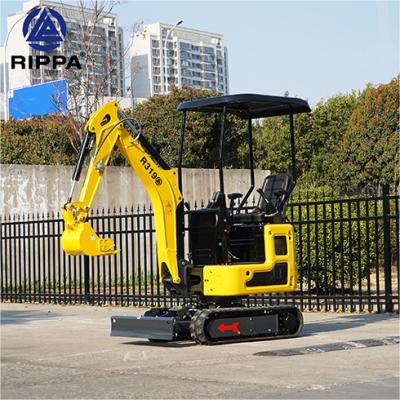
The RIPPA R327 is one option for buyers evaluating compact mini excavators for smaller construction and property maintenance applications.
When comparing equipment, contractors should review the specific machine configuration, application requirements, attachment compatibility, and available parts support.
For distributors and equipment importers, working directly with a manufacturer can also help simplify product sourcing and establish a consistent supply channel.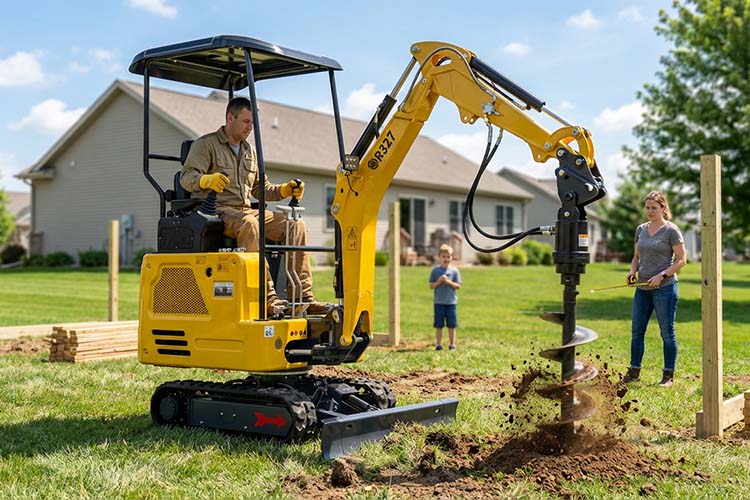
5. What Contractors Should Prepare Before Purchasing
Before requesting a quotation, buyers should prepare several details:
Main construction applications
Typical jobsite conditions
Required machine size and configuration
Preferred attachments
Destination country and delivery location
Expected purchasing quantity
Providing this information allows suppliers to recommend more appropriate equipment and prepare a clearer quotation.
Conclusion
Mini excavators play an important role in small construction projects where access, maneuverability, and controlled excavation are essential.
From residential construction to landscaping and drainage installation, compact equipment helps contractors organize ground preparation work more efficiently.
RIPPA provides mini excavator solutions for international equipment buyers, contractors, and machinery distributors.
Contact RIPPA to discuss mini excavator models, configurations, and wholesale purchasing requirements for your market.