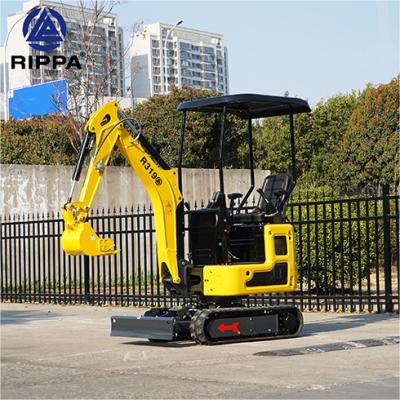
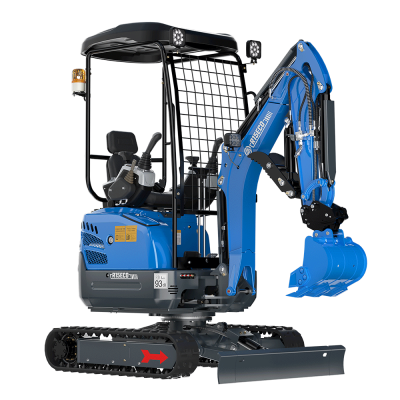
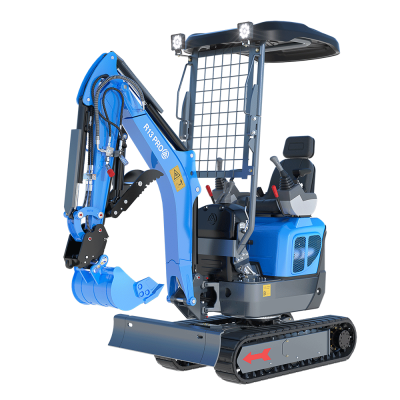
Best Chinese Mini Excavator Manufacturers for Bulk Buyers and Equipment Dealers
Choosing the best Chinese mini excavator manufacturer requires more than comparing quotations. For importers, equipment distributors, and construction machinery dealers, the right supplier must offer consistent product quality, dependable production capacity, accessible spare parts, and practical support for long-term business growth.
China has become an important sourcing market for compact construction equipment. However, manufacturers differ in production processes, export experience, product ranges, and their ability to support overseas partners. A structured supplier evaluation helps buyers reduce procurement risks and build a more reliable equipment business.
1. What Makes a Chinese Mini Excavator Manufacturer the Best Choice?
The best supplier is not necessarily the one offering the lowest initial price. B2B buyers should assess the manufacturer's ability to deliver consistent quality and support equipment throughout its service life.
Manufacturing Capacity and Production Consistency
Before placing a bulk order, ask whether the factory can maintain stable production schedules and consistent assembly standards. Buyers should understand the manufacturer's actual production facilities, inspection procedures, order lead times, and capacity to handle repeat orders.
A supplier with organized production management can make inventory planning easier for importers and regional distributors. It also helps dealers maintain a more predictable supply of machines during peak construction seasons.
Quality Control and Component Traceability
Quality control should cover incoming components, assembly, hydraulic system installation, functional testing, and final inspection. Buyers can request details about the factory's inspection process and ask which quality records are available for each shipment.
Engine and hydraulic component options should also be confirmed in writing. Clear specifications reduce misunderstandings between the supplier and the purchasing company, especially when ordering multiple configurations.
Export Experience and Documentation
International buyers should evaluate whether the manufacturer understands export packaging, shipping coordination, customs documentation, and destination-market compliance requirements.
A supplier experienced in international business is generally better positioned to coordinate orders with freight forwarders and provide the documents needed for import procedures. Buyers should independently verify applicable certification and regulatory requirements in their destination countries.
2. How to Compare Chinese Mini Excavator Suppliers
A practical supplier comparison should include more than the unit price.
Production and delivery: Confirm production schedules, minimum order quantities, shipping arrangements, and the process for handling delays.
Product range: Check whether the supplier offers different machine configurations to serve landscaping contractors, utility installers, agricultural businesses, and general construction customers.
Spare parts availability: Ask about commonly required replacement parts, ordering procedures, dispatch arrangements, and technical documentation.
Warranty and after-sales terms: Review written warranty coverage, exclusions, claim procedures, and the responsibilities of both parties.
Communication: Evaluate how quickly the supplier answers technical questions, prepares quotations, and resolves order discrepancies.
Buyers should use the same evaluation criteria for every shortlisted supplier. This makes quotations easier to compare and helps identify costs or risks that may not appear in the initial offer.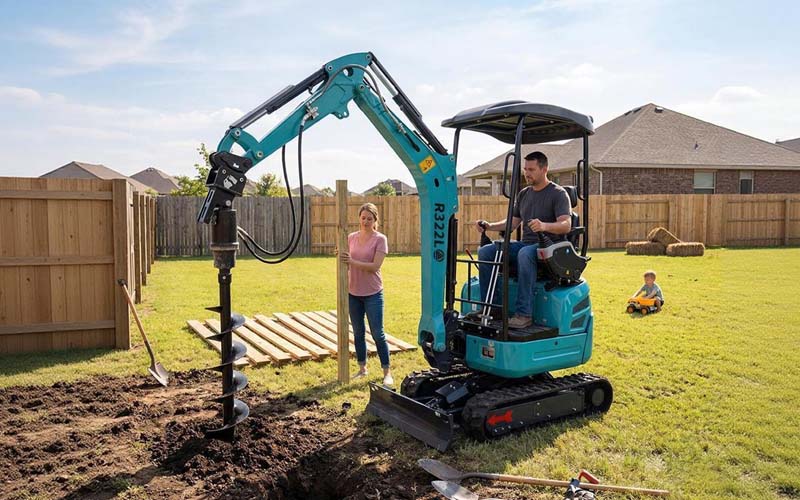
3. Why Total Procurement Cost Matters More Than the Purchase Price
A low quotation may look attractive, but the total cost of importing mini excavators includes several additional factors.
Freight, insurance, customs duties, inland transportation, spare parts inventory, dealer preparation, and after-sales labor can all affect the final cost. Exchange-rate movements and payment terms may also influence purchasing decisions.
For distributors, machine availability and service responsiveness can be just as important as the original purchase price. Delayed spare parts or inconsistent product quality can create additional expenses and damage customer relationships.
Before confirming an order, buyers should prepare a landed-cost calculation and estimate the resources needed to support customers after delivery. Comparing suppliers on this basis provides a more realistic view of commercial value.
4. What B2B Buyers Should Confirm Before Placing a Bulk Order
A clear procurement checklist helps avoid preventable problems.
Request a formal quotation with confirmed configurations and quantities.
Verify production lead times and the delivery schedule.
Obtain written warranty and after-sales policies.
Confirm spare parts ordering and technical support procedures.
Check export documents and destination-market compliance requirements.
Agree on payment terms, inspection arrangements, and shipping responsibilities.
Establish a process for reporting defects or shipment discrepancies.
For first-time buyers, a smaller initial order may provide an opportunity to evaluate product performance, communication, and after-sales coordination before expanding purchases. Established distributors can use repeat orders to negotiate more predictable production schedules and inventory planning.
5. Building a Long-Term Partnership with a Chinese Mini Excavator Factory
A successful supplier relationship should extend beyond the first shipment. Equipment dealers need a manufacturer that understands regional demand, provides accurate product information, and communicates clearly when production or component availability changes.
Buyers should discuss sales territories, marketing materials, training resources, spare parts planning, and lead-handling arrangements before entering a dealership agreement. Any exclusivity or territory protection should be explicitly documented rather than assumed.
It is also worth evaluating how the manufacturer supports product launches and dealer development. Consistent product documentation and responsive technical communication can help local sales teams explain equipment features and manage customer expectations.
6. Choosing the Right Chinese Mini Excavator Supplier
The best Chinese mini excavator manufacturer for one business may not be the best fit for another. Importers focused on high-volume purchasing may prioritize production capacity and shipping coordination, while regional dealers may place greater emphasis on product variety, parts support, and market development.
RIPPA is one manufacturer that B2B buyers can include in their supplier evaluation. Interested businesses can review its mini excavator range, request current quotations, and discuss product configurations, export arrangements, and potential dealer cooperation directly with the company.
Ultimately, the strongest purchasing decision comes from verified factory information, written commercial terms, transparent cost calculations, and a clear after-sales plan. These factors help importers and dealers build a sustainable equipment business rather than relying on the lowest initial quotation.