Best Chinese Mini Excavator Brands for Dealers and International Distributors
For equipment dealers and international distributors, finding the best Chinese mini excavator brand means identifying a manufacturer that can support both product sales and long-term customer relationships. Competitive pricing may attract initial interest, but product consistency, parts availability, supplier communication, and dealer support influence whether a business can grow sustainably.
Chinese mini excavators serve a wide range of applications, including landscaping, agricultural work, utility installation, property development, and small construction projects. This creates opportunities for distributors, but the right brand depends on the target market, customer profile, and local service capabilities.
1. Which Factors Matter When Evaluating Chinese Mini Excavator Brands?
A brand should be assessed as a complete business proposition rather than simply a machine with an attractive price.
Product Range and Target Customers
Different markets have different purchasing requirements. Some customers prioritize compact machines for restricted workspaces, while others need equipment suited to regular construction and agricultural applications.
Dealers should evaluate the manufacturer's available configurations, attachment compatibility, operator options, and product documentation. A range that serves several customer groups can create more sales opportunities without requiring a completely different supplier for every application.
Consistent Quality Across Orders
A machine that performs well in an initial evaluation is not enough to establish long-term reliability. Distributors need confidence that later orders will meet the same agreed specifications and inspection standards.
Ask how the manufacturer controls component sourcing, assembly procedures, and final testing. For larger orders, buyers can also discuss pre-shipment inspections and written acceptance criteria.
Technical Information and Product Training
Local sales teams need accurate product specifications, operating manuals, maintenance instructions, and clear explanations of available configurations.
A manufacturer that provides organized documentation makes it easier for dealers to train employees, answer customer questions, and avoid incorrect product claims. Technical communication is especially important when the dealer operates in a market where customers expect documentation in their local language.
2. How to Compare Chinese Mini Excavator Brands for Distribution
Rather than relying on general brand rankings, distributors should compare manufacturers against their own commercial requirements.
| Evaluation Area | What Dealers Should Check | Why It Matters |
|---|---|---|
| Product selection | Available configurations and applications | Helps match equipment to local demand |
| Manufacturing | Production processes and inspection records | Supports consistent product quality |
| Supply reliability | Order lead times and repeat-order planning | Helps maintain inventory |
| Spare parts | Availability, ordering process, and dispatch arrangements | Reduces service delays |
| Commercial terms | Pricing, payment terms, and order quantities | Supports cash-flow planning |
| Dealer support | Marketing materials, training, and technical assistance | Helps local teams sell and service equipment |
| Market compliance | Applicable certifications and import requirements | Reduces regulatory and customs risks |
The comparison should be based on written information wherever possible. Buyers should verify important claims instead of treating a catalog, online listing, or verbal assurance as sufficient evidence.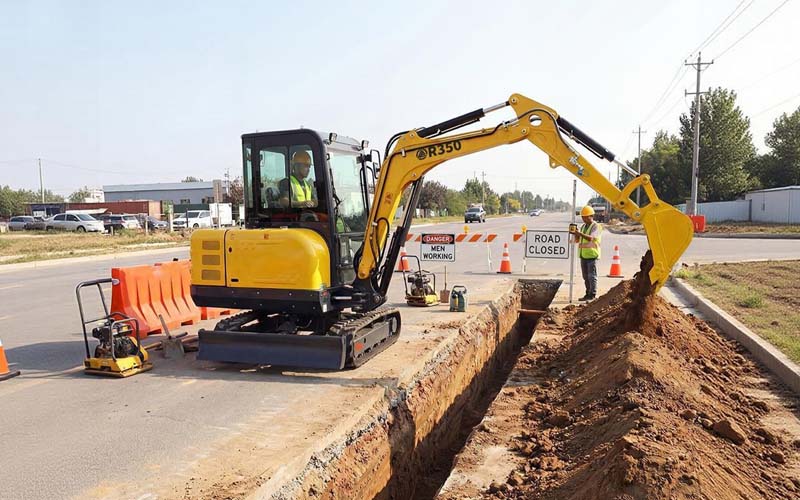
3. How Dealer Economics Affect Brand Selection
For a distributor, profitability depends on more than the difference between the factory price and the retail selling price.
The business must account for shipping, import costs, warehousing, local transportation, sales commissions, parts inventory, warranty obligations, and customer support. These costs vary by country and business model, so dealers should calculate their own margins before committing to a purchase.
Inventory planning is another important factor. Ordering too many machines can tie up working capital, while insufficient inventory may lead to missed sales opportunities. Manufacturers that communicate production schedules clearly can help distributors plan orders around expected demand.
Dealers should also consider how product positioning fits the local market. A business targeting small contractors may need a different product mix from a distributor serving agricultural customers or commercial construction companies.
A practical approach is to compare several order scenarios, including a smaller initial order and a larger repeat order. This allows the business to evaluate purchasing costs, inventory requirements, and potential margins under different conditions.
4. Spare Parts and After-Sales Support: Questions Every Dealer Should Ask
After-sales support can influence customer satisfaction long after a machine has been delivered. Dealers should understand the manufacturer's responsibilities before signing a distribution agreement.
Important questions include:
Which spare parts are normally available for ordering?
How are parts orders processed and dispatched?
Is technical assistance available for troubleshooting?
What information is required to submit a warranty claim?
Which repairs are the dealer's responsibility?
Are service manuals, parts diagrams, and maintenance guidance available?
How are urgent technical issues escalated?
The answers should be recorded in the commercial agreement or supporting documentation. Dealers should avoid promising customers specific response times or warranty coverage unless those commitments have been confirmed by the manufacturer.
A planned parts inventory can also improve local service. Dealers can identify frequently required consumables and replacement components, then establish an appropriate stock level based on installed machines and expected demand.
5. What Should Be Included in a Chinese Mini Excavator Dealership Agreement?
A dealership agreement should explain how both parties will work together and how potential disputes will be handled.
Key items include the product range covered by the agreement, purchasing conditions, payment schedules, shipping responsibilities, warranty procedures, and spare parts arrangements.
If the manufacturer offers territory protection or exclusive distribution, the agreement should define the geographic area, duration, performance expectations, and conditions for renewal. Buyers should also clarify how online inquiries, existing accounts, and cross-border sales will be managed.
Marketing support deserves attention as well. Dealers may need product photographs, brochures, approved technical descriptions, brand guidelines, and campaign materials. The agreement should clarify which resources the manufacturer supplies and which activities the dealer manages locally.
Before signing, both parties should confirm the applicable legal framework and seek professional advice where necessary, particularly for cross-border agreements.
6. How to Assess a Manufacturer Before Becoming a Dealer
A structured evaluation can help prospective distributors avoid committing to a brand before understanding how the relationship will work.
First, review the manufacturer's company information, product range, and export experience. Request a current quotation and compare it with the actual requirements of the target market.
Next, discuss order procedures, lead times, spare parts, technical assistance, and warranty claims. Ask for written answers to questions that could affect operating costs or customer service.
Where practical, arrange a factory visit, a live production walkthrough, or an inspection of a representative machine. Verify certificates and destination-market compliance independently. A small initial order can provide further evidence of product consistency and the manufacturer's ability to coordinate delivery and support.
Finally, prepare a basic business plan covering expected demand, landed cost, inventory, sales channels, and after-sales resources. A dealership opportunity should make commercial sense under realistic assumptions, not just optimistic sales forecasts.
7. Is RIPPA Worth Evaluating as a Chinese Mini Excavator Brand?
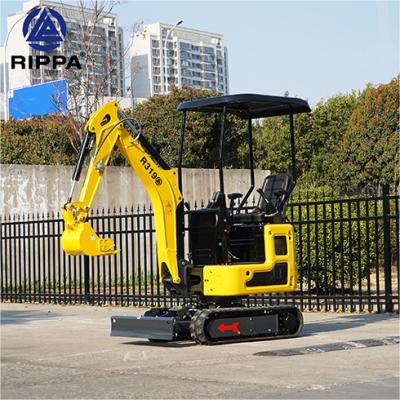
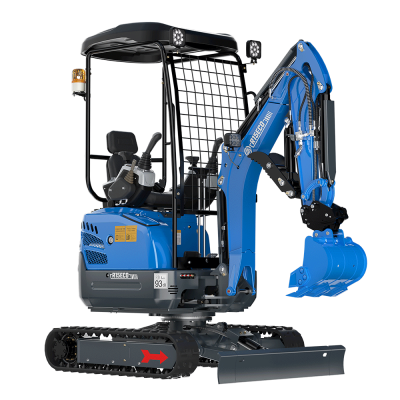
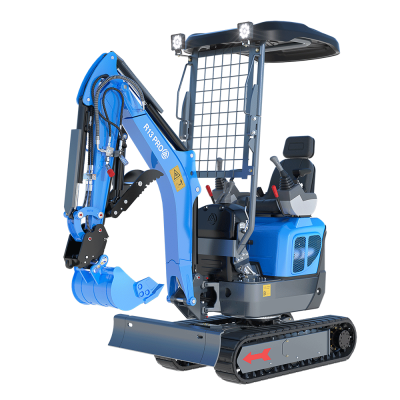
RIPPA is one option that international distributors and equipment dealers can consider when comparing Chinese mini excavator manufacturers. Before entering a partnership, prospective dealers should review the available product range, confirm the configurations suitable for their customers, and discuss export arrangements and ongoing support.
The most useful questions are practical: Can the selected products serve the local market? Are the commercial terms workable? Is the parts and technical support process clearly defined? Can the manufacturer support repeat orders as sales develop?
Interested businesses can explore RIPPA's mini excavator range and contact the company to request a current quotation or discuss dealer cooperation. Product availability, market requirements, and cooperation terms should be confirmed directly before making a purchasing decision.
Conclusion
The best Chinese mini excavator brand for a dealer is the one that fits the target market and can support the business beyond the first sale. Product consistency, a suitable range, realistic procurement costs, parts availability, and clear commercial agreements are all essential considerations.
By comparing manufacturers systematically and verifying their claims, international distributors can make better sourcing decisions, manage inventory more effectively, and build stronger customer relationships. The goal is not simply to find a competitively priced machine, but to establish a supply partnership that can support repeat business over time.