Best Mini Excavators for Small Construction Projects: A Complete Buyer's Guide
Mini excavators have become one of the fastest-growing categories of construction equipment worldwide. Their compact size, lower operating costs, and impressive versatility make them ideal for contractors, landscapers, farmers, municipalities, rental companies, and property owners.
Whether you're expanding your fleet or purchasing your first compact machine, selecting the best mini excavator requires more than comparing prices. Understanding operating requirements, attachment compatibility, reliability, and long-term value will help ensure the right investment.
This guide explains what to look for in a mini excavator and why compact machines continue to dominate small construction projects around the world.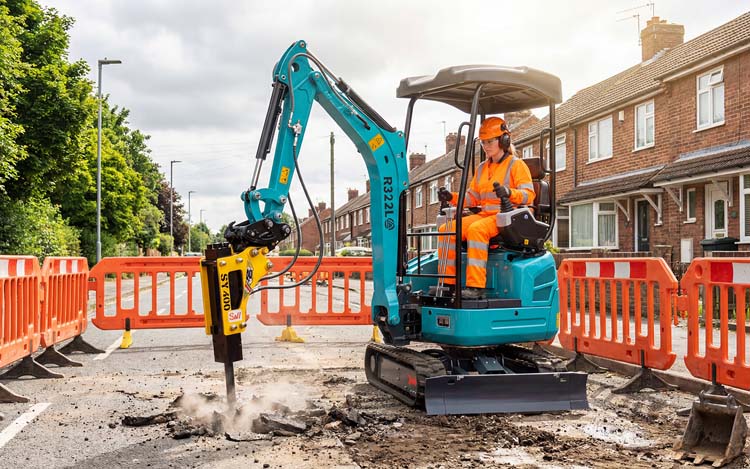
What Is a Mini Excavator?
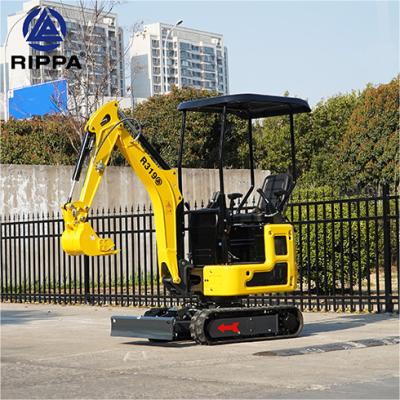
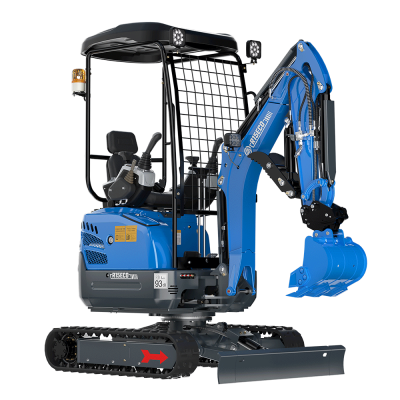
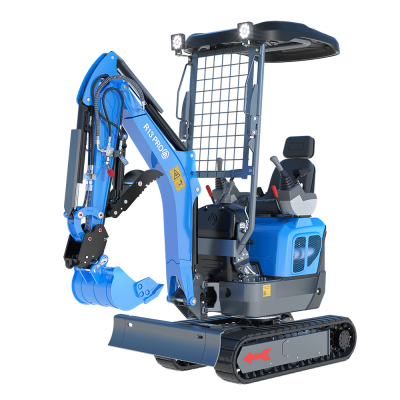
A mini excavator, also known as a compact excavator, is a hydraulic excavating machine typically designed for projects where space is limited or maneuverability is essential. Compared with larger excavators, mini excavators are easier to transport, consume less fuel, and create less ground disturbance while still providing excellent digging performance.
Modern mini excavators can perform a wide variety of jobs, including:
Trenching
Foundation preparation
Landscaping
Utility installation
Farm maintenance
Residential construction
Demolition
Material handling with attachments
Their ability to work efficiently in confined spaces makes them a preferred choice for both urban and rural projects.
Why Mini Excavators Are Growing in Popularity
Demand for compact construction equipment has increased significantly over the past decade. Contractors increasingly prefer equipment that delivers strong productivity while reducing transportation costs and operating expenses.
Some of the main advantages include:
Excellent Maneuverability
Mini excavators can easily work between buildings, inside residential areas, and in locations where larger equipment simply cannot operate.
Lower Operating Costs
Compared with larger machines, compact excavators generally require:
Less fuel
Lower transportation costs
Reduced maintenance expenses
Smaller storage space
This helps contractors improve project profitability.
Versatile Attachment Options
Today's mini excavators can operate with numerous attachments, including:
Hydraulic breakers
Augers
Grapples
Rippers
Tilt buckets
Trenching buckets
One machine can therefore complete multiple types of work throughout the year.
How to Choose the Best Mini Excavator
Not every compact excavator is suitable for every application. Before making a purchase, buyers should evaluate several important factors.
Operating Weight
The machine's operating weight directly affects transportation, stability, and project suitability.
Common categories include:
1-ton mini excavators
2-ton mini excavators
3-ton compact excavators
5-ton mini excavators
Smaller machines excel in residential landscaping, while larger compact excavators provide greater digging capability for commercial construction.
Hydraulic Performance
Hydraulic efficiency determines attachment performance and overall productivity.
Look for machines that provide:
Smooth hydraulic control
Fast cycle times
Reliable hydraulic components
Stable operation under heavy loads
Strong hydraulic systems increase efficiency across many applications.
Engine Reliability
The engine is one of the most important components of any excavator.
When comparing manufacturers, consider:
Worldwide parts availability
Fuel efficiency
Compliance with local emission regulations
Proven long-term reliability
Reliable engines reduce downtime and maintenance costs.
Operator Comfort
Productivity depends heavily on operator comfort.
Important features include:
Adjustable seating
Ergonomic joystick controls
Good visibility
Easy maintenance access
Simple control layout
Comfortable operators are generally more productive throughout long working days.
Attachment Compatibility
Businesses often require equipment that can perform multiple tasks.
Choose a mini excavator compatible with common hydraulic attachments so that one machine can support excavation, demolition, drilling, grading, and material handling.
Common Applications for Mini Excavators
Mini excavators are among the most versatile machines available today.
Landscaping
Landscape contractors use compact excavators for:
Digging ponds
Tree planting
Irrigation installation
Rock placement
Garden construction
Their compact footprint minimizes damage to finished landscapes.
Agriculture
Farm owners frequently use mini excavators for:
Drainage systems
Fence installation
Land clearing
Ditch maintenance
Small excavation projects
A compact excavator is often one of the most valuable machines on modern farms.
Residential Construction
Builders benefit from mini excavators during:
Foundation excavation
Utility trenching
Backfilling
Site preparation
Demolition of small structures
Their ability to operate in tight residential spaces significantly improves project efficiency.
Municipal Projects
Cities and utility contractors commonly rely on compact excavators for:
Water line repairs
Sidewalk maintenance
Cable installation
Road repairs
Public landscaping
The reduced footprint helps minimize traffic disruption.
Why More Buyers Choose Factory-Direct Mini Excavators
Global buyers increasingly purchase directly from manufacturers instead of relying solely on local distributors.
Factory-direct sourcing offers several advantages:
Competitive pricing
Consistent product quality
Custom configuration options
Better communication
Faster production scheduling
OEM and dealer support opportunities
For fleet buyers and equipment distributors, working directly with a manufacturer can improve long-term purchasing efficiency.
Choosing the Right Mini Excavator Supplier
Selecting the right supplier is just as important as selecting the machine itself.
Consider manufacturers that offer:
Comprehensive product lines
International certifications
Global export experience
Technical support
Spare parts availability
Dealer support programs
Responsive customer service
A reliable supplier helps reduce ownership costs throughout the equipment's life cycle.
Discover Rippa Mini Excavators
Rippa develops compact construction equipment for customers across global markets, offering mini excavators designed for landscaping, agriculture, municipal work, and construction applications.
The product lineup covers multiple operating weight classes to meet different project requirements while supporting a wide range of hydraulic attachments. Whether you're an independent contractor, equipment rental company, or construction equipment distributor, choosing the right compact excavator can improve productivity and lower operating costs.
If you're looking for a reliable mini excavator backed by professional manufacturing and international support, explore the complete Rippa product range and contact our team to discuss the best solution for your business.
Frequently Asked Questions
What is the best mini excavator for small construction projects?
The best mini excavator depends on your workload, operating environment, transportation requirements, and attachment needs. Contractors should evaluate reliability, hydraulic performance, operating weight, and after-sales support before making a purchase.
Are mini excavators suitable for landscaping?
Yes. Mini excavators are widely used for landscaping because they can work efficiently in confined spaces while minimizing ground disturbance.
What attachments can a mini excavator use?
Most mini excavators support buckets, augers, hydraulic breakers, grapples, rippers, trenchers, and grading attachments, making them suitable for a wide variety of applications.
Why buy directly from a manufacturer?
Buying directly from a manufacturer may provide more competitive pricing, customization options, technical support, and long-term supply stability for contractors and equipment dealers.