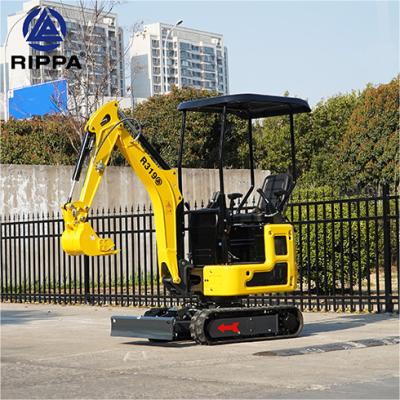
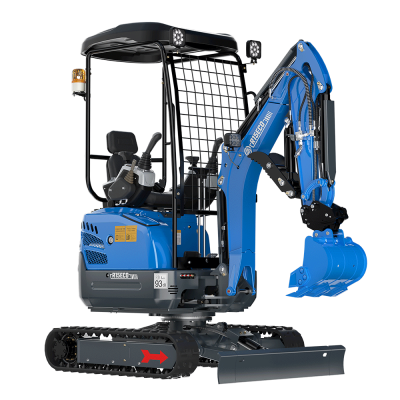
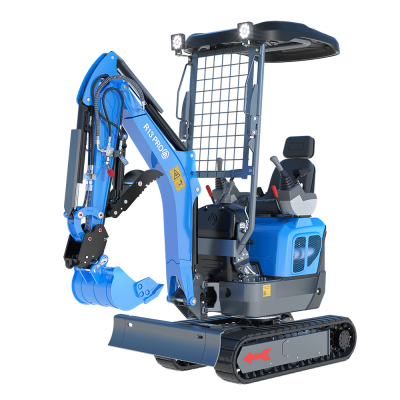
Mini Excavator Cost in 2026: What Affects the Price and How to Choose the Right Machine
When planning to purchase construction equipment, one of the first questions buyers ask is, "How much does a mini excavator cost?" While pricing is an important consideration, the true value of a mini excavator depends on much more than its purchase price.
Factors such as operating weight, hydraulic performance, engine quality, attachments, after-sales support, and long-term maintenance all influence the total cost of ownership. Whether you're a contractor, equipment dealer, rental company, or farm owner, understanding these factors will help you make a smarter investment.
This guide explains what affects mini excavator cost and how to choose the right machine for your business.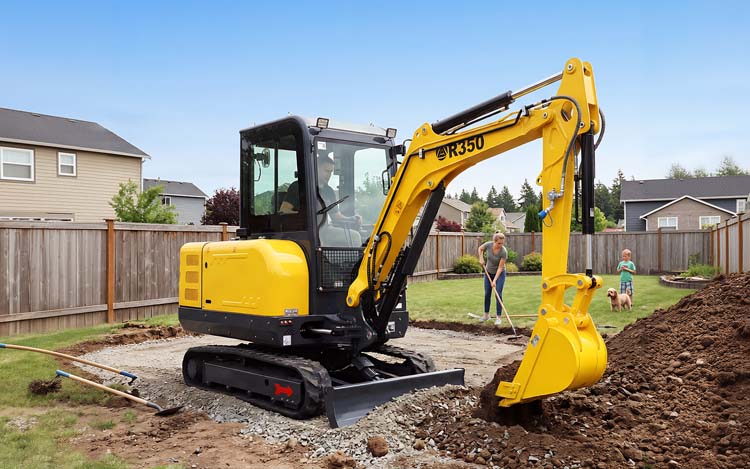
What Determines the Cost of a Mini Excavator?
Mini excavator prices vary depending on several key factors. Rather than looking for the lowest price, buyers should evaluate the overall value the machine delivers throughout its service life.
Operating Weight
One of the biggest factors affecting price is the size of the machine.
Typical categories include:
1-ton mini excavators
2-ton mini excavators
3-ton compact excavators
5-ton mini excavators
Larger machines generally offer greater digging depth, lifting capacity, and hydraulic power, making them suitable for more demanding applications.
Engine Quality
A reliable engine improves productivity while reducing maintenance and downtime.
When comparing machines, buyers should consider:
Fuel efficiency
Emission compliance
Service availability
Long-term durability
Parts accessibility
Choosing a machine with a dependable engine can significantly reduce operating costs over time.
Hydraulic System Performance
Hydraulic performance directly affects digging speed, lifting capability, and attachment efficiency.
A well-designed hydraulic system provides:
Smooth operation
Faster cycle times
Better precision
Improved productivity
Lower maintenance requirements
For contractors who use attachments frequently, hydraulic quality should be a top priority.
Machine Configuration
Optional features can influence the overall purchase cost.
Common options include:
Enclosed cabins
Air conditioning
Auxiliary hydraulic lines
Quick couplers
Rubber or steel tracks
Additional counterweights
LED working lights
Selecting only the features your business needs helps maximize return on investment.
New vs. Used Mini Excavators
Many buyers compare new and used equipment before making a purchasing decision.
Advantages of Buying a New Mini Excavator
New equipment typically offers:
Latest technology
Higher fuel efficiency
Manufacturer warranty
Lower maintenance during early ownership
Longer service life
Better financing opportunities
For growing businesses, new equipment often provides greater reliability and predictable operating costs.
Advantages of Buying a Used Mini Excavator
Used machines may appeal to buyers with smaller budgets.
Potential benefits include:
Lower initial investment
Faster availability
Suitable for occasional projects
However, buyers should carefully inspect:
Hydraulic leaks
Undercarriage wear
Engine condition
Maintenance history
Structural repairs
Unexpected repairs can quickly increase ownership costs.
Hidden Costs Buyers Often Overlook
The purchase price is only one part of the investment.
Additional costs may include:
Transportation
Import duties
Spare parts
Routine maintenance
Fuel consumption
Insurance
Operator training
Attachments
Storage
Considering the total cost of ownership helps avoid unexpected expenses after purchase.
Choosing the Right Mini Excavator for Your Business
Different industries require different machine capabilities.
Landscaping Companies
Ideal features include:
Compact dimensions
Excellent maneuverability
Low ground pressure
Multiple attachment compatibility
These features improve efficiency on residential projects.
Construction Contractors
Construction businesses often prioritize:
Strong hydraulic power
Stable lifting performance
Reliable engine
Comfortable operator station
Easy maintenance
Machines that minimize downtime help contractors complete projects more efficiently.
Farms and Agricultural Operations
Farm owners benefit from mini excavators that can perform multiple tasks, including:
Ditch cleaning
Fence installation
Tree planting
Irrigation work
Material handling
A versatile compact excavator can replace several pieces of equipment on smaller properties.
Equipment Rental Companies
Rental fleets typically look for:
Easy-to-use controls
Durable construction
Simple maintenance
High reliability
Broad customer appeal
Machines with low maintenance requirements generally deliver higher utilization rates.
Why More Buyers Choose Factory-Direct Suppliers
Many global buyers now purchase directly from manufacturers instead of traditional distribution channels.
Factory-direct purchasing can provide several advantages:
Competitive pricing
Product customization
Consistent manufacturing quality
Faster communication
OEM and private label opportunities
Long-term supply partnerships
For equipment dealers and fleet operators, working directly with a manufacturer often improves purchasing efficiency.
How to Evaluate a Mini Excavator Manufacturer
Selecting the right supplier is just as important as choosing the machine itself.
Look for manufacturers that offer:
Extensive export experience
International certifications
Comprehensive product range
Quality control systems
Global dealer support
Spare parts availability
Professional technical assistance
A strong manufacturing partner helps reduce ownership risks while supporting future business growth.
Why Businesses Around the World Choose Rippa
Rippa manufactures compact construction equipment for customers in global markets, providing mini excavators designed for construction, landscaping, agriculture, municipal work, and equipment rental businesses.
The product lineup includes multiple compact excavator models that support a wide range of applications and hydraulic attachments. By focusing on product quality, manufacturing consistency, and international customer support, Rippa helps contractors and dealers find equipment that matches their operational needs.
Whether you're expanding your fleet or looking for a reliable supplier, choosing the right mini excavator is an investment in long-term productivity rather than simply the lowest purchase price.
Frequently Asked Questions
How much does a mini excavator cost?
Mini excavator cost varies depending on machine size, engine, hydraulic system, attachments, and configuration. Buyers should compare total ownership value rather than purchase price alone.
Is a new mini excavator better than a used one?
New machines generally provide greater reliability, warranty coverage, and lower maintenance during the early years of ownership. Used equipment may reduce initial costs but requires careful inspection before purchase.
What size mini excavator should I buy?
The best size depends on your projects. Smaller machines are ideal for landscaping and residential work, while larger compact excavators are better suited for commercial construction and heavy-duty applications.
What factors affect long-term ownership costs?
Fuel efficiency, maintenance requirements, hydraulic reliability, parts availability, operator productivity, and after-sales support all contribute to the total cost of owning a mini excavator.
Why buy directly from a manufacturer?
Factory-direct purchasing can provide competitive pricing, customization options, technical support, and long-term cooperation for contractors, distributors, and equipment dealers.