Skid Steer vs Mini Excavator: Which Machine Is Better for Your Business?
Skid Steer vs Mini Excavator: Which Machine Is Better for Your Business?
When investing in compact construction equipment, many buyers face the same question: Should I buy a skid steer loader or a mini excavator?
Both machines are essential on modern job sites, but they are designed for different tasks. A mini excavator excels at digging and trenching, while a skid steer loader offers unmatched versatility for loading, grading, and material handling.
Choosing the right equipment depends on your projects, budget, and long-term business goals. This guide compares skid steers and mini excavators across performance, versatility, operating costs, and common applications to help contractors, dealers, rental companies, and fleet managers make an informed decision.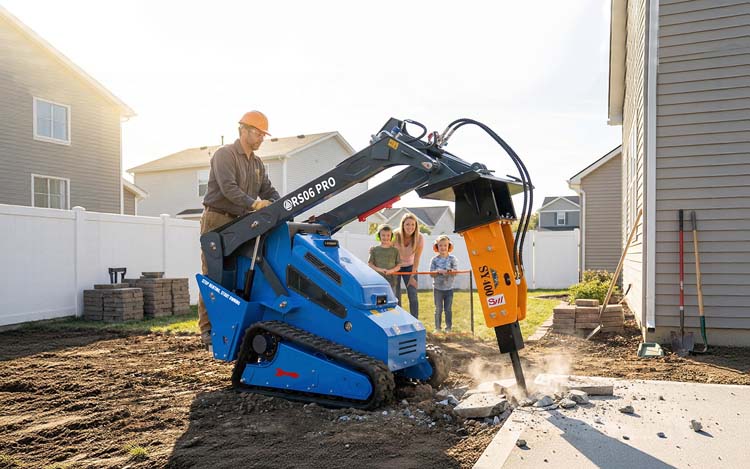
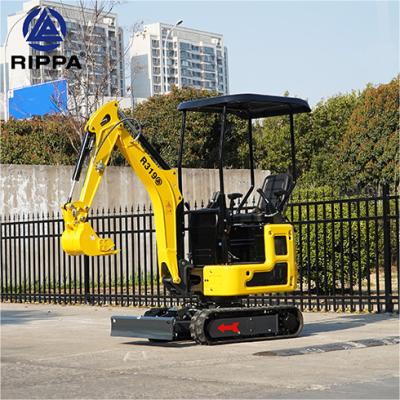
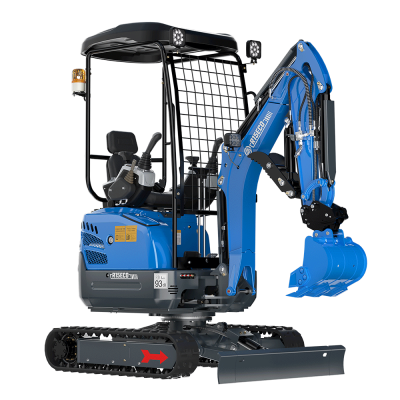
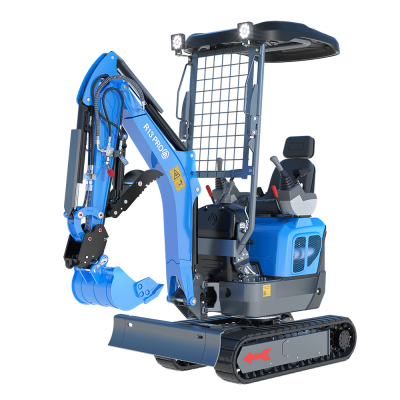
What Is a Mini Excavator?
A mini excavator is a compact hydraulic excavating machine primarily designed for digging, trenching, demolition, and earthmoving. Thanks to its small footprint and 360-degree swing capability, it performs efficiently in confined spaces where larger excavators cannot operate.
Mini excavators are widely used for:
Residential construction
Landscaping
Utility installation
Agriculture
Pipeline projects
Foundation work
Municipal maintenance
Their precise control and digging power make them one of the most popular compact machines worldwide.
What Is a Skid Steer Loader?
A skid steer loader is a compact machine equipped with lift arms that can be fitted with dozens of different attachments. It is known for exceptional maneuverability and the ability to switch quickly between various job functions.
Common applications include:
Material loading
Site cleaning
Snow removal
Pallet handling
Land grading
Brush clearing
Road maintenance
Farm operations
With the right attachment, a skid steer can replace several pieces of equipment on a job site.
Mini Excavator vs Skid Steer: Feature Comparison
| Feature | Mini Excavator | Skid Steer Loader |
|---|---|---|
| Digging Performance | ★★★★★ | ★★☆☆☆ |
| Trenching | ★★★★★ | ★☆☆☆☆ |
| Material Loading | ★★☆☆☆ | ★★★★★ |
| Lifting & Carrying | ★★☆☆☆ | ★★★★★ |
| Attachment Versatility | ★★★★☆ | ★★★★★ |
| Operation in Tight Spaces | ★★★★★ | ★★★★☆ |
| Ground Disturbance | Low | Moderate |
| Precision Excavation | Excellent | Limited |
| Jobsite Mobility | Good | Excellent |
The comparison shows that each machine excels in different areas. The best choice depends on your primary workload.
When Should You Choose a Mini Excavator?
A mini excavator is the better option if your daily work involves excavation or underground infrastructure.
Typical projects include:
Landscaping
Mini excavators are ideal for:
Tree planting
Pond excavation
Garden renovation
Rock placement
Irrigation systems
Their compact design minimizes damage to finished landscapes.
Utility Installation
Contractors installing underground infrastructure benefit from the machine's precise digging capabilities.
Suitable for:
Water pipelines
Electrical conduits
Fiber optic cables
Drainage systems
Sewer maintenance
Residential Construction
Builders frequently use compact excavators for:
Foundation excavation
Footings
Site preparation
Demolition
Backfilling
The ability to rotate 360 degrees improves efficiency in restricted work areas.
When Is a Skid Steer the Better Choice?
If your projects involve moving materials rather than digging, a skid steer loader is often the better investment.
Common applications include:
Material Handling
A skid steer can quickly transport:
Gravel
Soil
Sand
Construction waste
Pallets
This makes it invaluable on busy construction sites.
Site Preparation
Before construction begins, skid steers help with:
Surface grading
Land leveling
Debris removal
Site cleanup
Their speed and maneuverability improve overall project efficiency.
Snow Removal
In many regions, contractors use skid steers equipped with:
Snow blades
Snow blowers
Sweepers
This allows construction companies to generate additional seasonal revenue.
Attachment Options: Which Machine Is More Versatile?
Attachments greatly expand the capabilities of both machines.
Common Mini Excavator Attachments
Hydraulic breaker
Auger
Ripper
Grapple
Tilt bucket
Trenching bucket
Compactor
These attachments allow a compact excavator to handle excavation, demolition, drilling, and grading.
Common Skid Steer Attachments
General-purpose bucket
Pallet forks
Brush cutter
Snow blower
Angle broom
Trencher
Soil conditioner
Hydraulic hammer
Grapple bucket
Because of its quick-attach system, a skid steer can transition between tasks in just a few minutes, making it one of the most versatile machines on any job site.
Which Machine Has Lower Operating Costs?
Operating costs depend on several factors, including usage, maintenance, fuel consumption, and attachment requirements.
Mini excavators typically offer:
Lower track wear in excavation work
Excellent fuel efficiency during digging operations
Reduced ground damage on sensitive sites
Skid steer loaders often provide:
Higher productivity for material handling
Faster movement around the job site
Lower labor costs when performing multiple loading tasks
Instead of comparing operating costs alone, buyers should evaluate which machine delivers the greatest productivity for their specific applications.
Why Many Contractors Own Both Machines
As businesses grow, many contractors choose to operate both a mini excavator and a skid steer loader.
This combination allows teams to:
Dig and load simultaneously
Reduce project completion time
Increase equipment utilization
Improve overall jobsite efficiency
Handle a wider range of customer projects
For landscaping companies, municipal contractors, and construction firms, the two machines complement each other rather than compete.
Choosing the Right Compact Equipment Supplier
Whether purchasing a mini excavator or a skid steer loader, selecting a reliable manufacturer is essential.
Look for suppliers that provide:
A complete product lineup
Consistent manufacturing quality
International certifications
Spare parts availability
Technical support
Dealer programs
Global export experience
A dependable supplier helps maximize equipment uptime and long-term value.
Explore Rippa Compact Construction Equipment
Rippa offers a comprehensive range of compact construction equipment designed to meet the needs of contractors, equipment dealers, rental companies, and agricultural users worldwide.
The product portfolio includes:
Mini Excavators
Mini Skid Steer Loaders
Skid Steer Loaders
Wheel Loaders
Mini Dumpers
Forklifts
Construction Attachments
Whether your business focuses on excavation, landscaping, agriculture, municipal maintenance, or material handling, choosing the right compact equipment can improve productivity while reducing operating costs.
If you're looking for reliable compact machinery backed by professional manufacturing and global support, explore the complete Rippa product lineup and contact our team for expert recommendations.
Frequently Asked Questions
Is a mini excavator better than a skid steer?
It depends on your work. Mini excavators are best for digging and trenching, while skid steer loaders excel at loading, grading, and material handling.
Can a skid steer dig like a mini excavator?
A skid steer can perform light digging with certain attachments, but it cannot match the precision, depth, or efficiency of a dedicated mini excavator.
Which machine is better for landscaping?
For excavation, tree planting, and trenching, a mini excavator is usually the better choice. For grading, material movement, and site cleanup, a skid steer is highly effective.
Should contractors own both machines?
Many growing contractors invest in both machines because they complement each other and increase jobsite productivity.
Which compact machine is best for rental businesses?
Both are popular rental options. Mini excavators are frequently rented for excavation work, while skid steer loaders are favored for projects requiring multiple attachments and versatile operation.