RIPPA Mini Excavator Buying Guide: How to Choose the Right Machine for Your Business
Choosing a mini excavator is not simply about finding a machine at an attractive price. Equipment buyers need to consider jobsite conditions, application requirements, product options, supplier reliability and long-term purchasing support.
For contractors, equipment dealers and machinery distributors researching a RIPPA mini excavator, understanding these factors can make the purchasing process more efficient. The right machine should match the work it is expected to perform while also meeting the buyer's business and service requirements.
This guide explains what to consider when evaluating RIPPA mini excavators and how to make a more informed purchasing decision.
1. Start With the Jobs Your Mini Excavator Needs to Handle
Before comparing individual machines, identify the applications your business handles most frequently.
Mini excavators are commonly used in landscaping, residential construction, agricultural maintenance, utility installation and property improvement projects. However, different jobsites can require different machine configurations.
For example:
Landscaping: Buyers may prioritize maneuverability and the ability to work in confined outdoor spaces.
Residential construction: Compact equipment can be useful where access and working space are limited.
Agricultural work: Buyers may need equipment suitable for farm maintenance, drainage and general property projects.
Utility installation: Digging requirements, ground conditions and access to the working area should guide equipment selection.
Equipment rental fleets: Fleet operators should consider how a machine fits their customer base, maintenance processes and utilization plans.
Defining the main applications first helps narrow the available RIPPA mini excavator models and prevents buyers from selecting equipment based only on appearance or initial cost.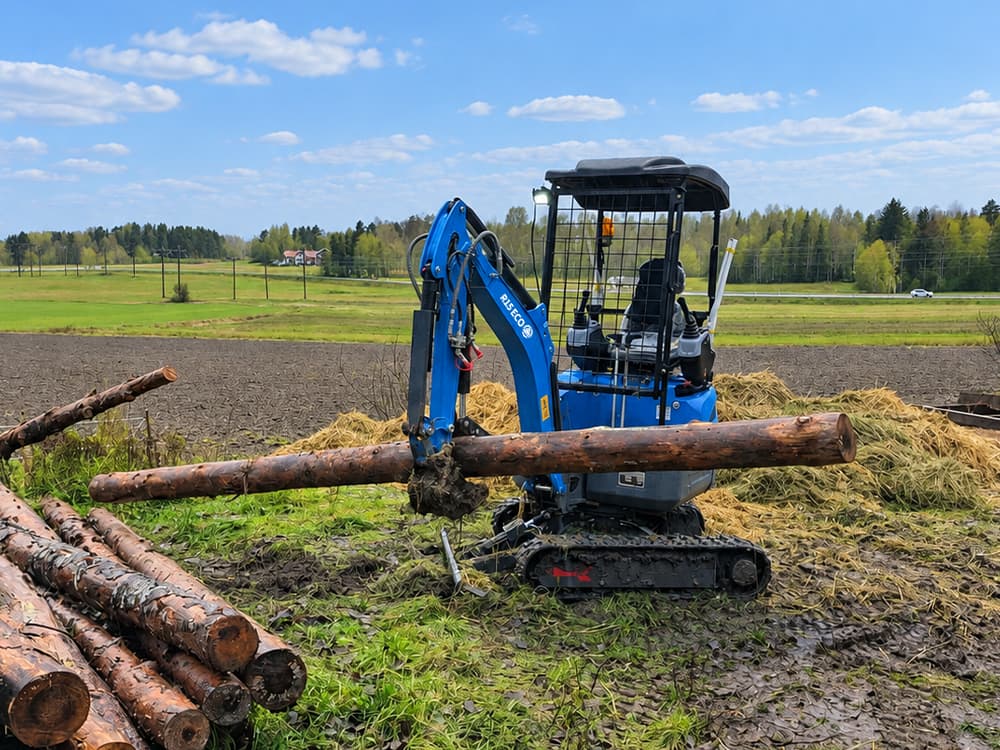
2. Compare RIPPA Mini Excavator Models by Application
When researching RIPPA mini excavators, buyers may encounter different model names, configurations and product options. Rather than assuming that one model is suitable for every job, compare the available machines according to their intended applications.
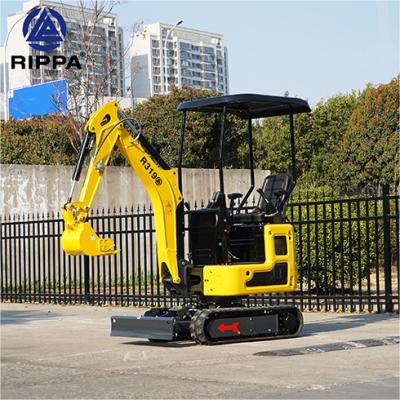
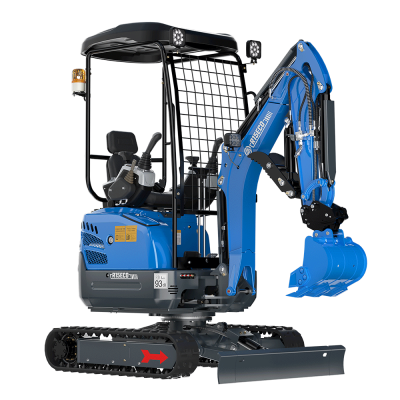
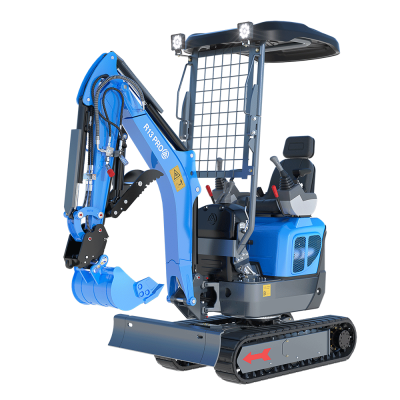
RIPPA offers models across its mini excavator range, including the R319, R32 PRO and R350. Each model should be evaluated using its actual product configuration and the requirements of the intended jobsite.
A practical comparison should consider:
The type of work the machine will perform most often.
The available machine configuration.
The working environment and access limitations.
The operator's familiarity with the equipment.
The attachments and accessories required for the application.
The availability of relevant product information and support.
For equipment dealers, this comparison is also important when deciding which machines to introduce to local customers. A product portfolio should reflect actual market demand rather than relying on a single model for every customer.
3. Evaluate the Manufacturer Before Placing an Order
Product selection is only one part of the purchasing decision. The manufacturer's production capabilities and business reliability can also influence the long-term value of an equipment purchase.
When evaluating a RIPPA mini excavator manufacturer, overseas buyers should review several areas.
Product range: Check whether the manufacturer offers equipment that matches the needs of your target market. A broader product range may provide more opportunities for dealers serving different customer groups.
Manufacturing background: Review the company's manufacturing experience, production organization and quality management practices. Reliable company information helps buyers understand who they are purchasing from.
Export experience: International buyers should confirm whether the supplier understands export documentation, shipping coordination and overseas order requirements.
Communication: Clear product information, timely responses and consistent communication are important when discussing specifications, configurations and order details.
After-sales arrangements: Before purchasing, clarify how technical questions, spare parts inquiries and service requests are handled. Buyers should understand the actual support arrangements available in their destination market.
These checks help distinguish a supplier that can support an ongoing business relationship from one that only focuses on completing an individual transaction.
4. What Should Dealers Consider When Purchasing RIPPA Mini Excavators?
For dealers and distributors, purchasing decisions involve more than the needs of one end user. The selected equipment must also fit the local market and the dealer's business model.
Before placing a wholesale order, consider the following:
Local customer demand
Research the applications and equipment categories that customers in your market request most frequently. This helps dealers choose a more relevant product mix.
Product information
Make sure your sales team can access accurate product descriptions, configuration details and application information. Clear information makes it easier to communicate with potential customers.
Parts and service arrangements
Discuss spare parts availability, technical communication and the process for handling customer support requests before establishing a long-term supply relationship.
Order and delivery coordination
Confirm order details, shipping responsibilities, documentation requirements and expected delivery arrangements with the manufacturer.
Market positioning
Consider how the RIPPA mini excavator range fits your existing product portfolio. Dealers should evaluate customer demand, competing products and the business opportunities available in their territory.
A structured purchasing process can help reduce uncertainty and create a more consistent experience for both dealers and end users.
5. Why Supplier Communication Matters
International machinery purchases often involve several steps, including product confirmation, order preparation, transportation and post-purchase communication.
A dependable supplier should be able to explain the purchasing process clearly and provide relevant information at each stage.
Before confirming an order, buyers should ask:
Which product configuration is included in the quotation?
What documents are required for export and import?
How will the order and shipping process be coordinated?
Who should be contacted for spare parts inquiries?
What support channels are available after delivery?
Getting these questions answered in advance can help buyers make better purchasing decisions and avoid misunderstandings during international transactions.
6. How to Choose the Right RIPPA Mini Excavator
There is no single mini excavator that fits every business. The best choice depends on the buyer's applications, operating environment, purchasing requirements and future plans.
For individual equipment buyers, start by identifying the work the machine needs to perform. Then compare suitable models and confirm the available configurations.
For dealers and distributors, evaluate the product range alongside supplier experience, export processes, parts support and long-term cooperation opportunities.
RIPPA provides a range of construction machinery products for overseas markets. Buyers interested in its mini excavators can review the available models and discuss their requirements with the company before making a purchasing decision.
Frequently Asked Questions
What should I consider when buying a RIPPA mini excavator?
Consider the intended applications, jobsite conditions, available configurations, manufacturer background, purchasing arrangements and after-sales support.
Which RIPPA mini excavator model should I choose?
The right model depends on your work requirements and the available product configuration. Compare the R319, R32 PRO, R350 and other suitable options based on their actual applications rather than choosing by model name alone.
Is RIPPA a mini excavator manufacturer?
RIPPA is a construction machinery manufacturer and supplier offering mini excavators and other equipment for international markets. Buyers should review the company's product information and manufacturing background when evaluating a supplier.
What should equipment dealers confirm before ordering?
Dealers should confirm product configurations, order quantities, export documentation, shipping arrangements, spare parts communication and available support services before placing an order.
Can overseas buyers contact RIPPA for wholesale inquiries?
Yes. Overseas dealers, distributors and equipment buyers can contact RIPPA to discuss product availability, purchasing requirements and potential business cooperation.
CTA:
Interested in RIPPA mini excavators for your equipment business? Contact RIPPA to discuss your product requirements, explore available models and learn more about wholesale purchasing opportunities.