Mini Front Loader for Sale: A Practical Guide for Equipment Buyers
Choosing a mini front loader is not simply about finding a compact machine at a competitive price. For contractors, agricultural businesses, equipment dealers, and construction companies, the right loader should match daily working conditions, material-handling requirements, and long-term business needs.
If you are searching for a mini front loader for sale, it is important to compare more than the machine's appearance or initial purchase cost. Understanding the application, equipment configuration, supplier capabilities, and maintenance requirements can help you make a more informed purchasing decision.
1. What Is a Mini Front Loader Used For?
A mini front loader is designed for material handling and loading tasks in working environments where larger equipment may be difficult to operate.
Its compact format makes it suitable for businesses that need loading capabilities while working in relatively restricted spaces.
Common applications include:
Agriculture: Moving feed, soil, fertilizer, and other farm materials.
Landscaping: Handling soil, gravel, mulch, and landscaping supplies.
Construction: Moving building materials and supporting general site preparation.
Property maintenance: Handling loose materials around commercial and residential properties.
Small material yards: Supporting loading and transportation tasks in limited working areas.
Before purchasing, buyers should identify the materials they handle most frequently and the working conditions in which the loader will operate.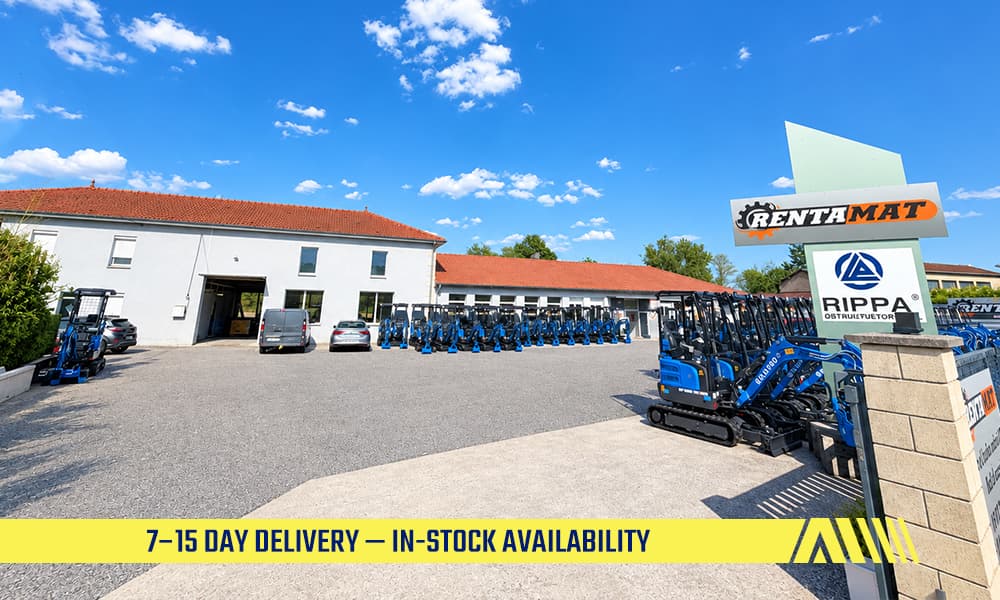
2. How to Choose the Right Small Front End Loader
Not every small front end loader is suitable for every business. The following factors can help narrow down the options.
Working Space and Site Conditions
Consider the width of access routes, turning space, ground conditions, and the layout of the working area. A compact loader may be more practical for confined sites, but its suitability still depends on the actual operating environment.
Material Handling Requirements
Think about the materials that need to be moved, how frequently loading takes place, and the working height required.
For example, moving loose agricultural materials may involve different requirements from handling gravel or construction supplies.
Bucket and Attachment Options
The bucket is an important part of a front loader's working setup. Buyers should confirm which bucket configurations and compatible attachments are available from the manufacturer.
If your business handles several types of materials, ask whether the equipment can support the attachments needed for those tasks.
Daily Operating Requirements
Consider how often the machine will be used, who will operate it, and what level of maintenance your business can manage. These factors are important when comparing different compact loader options.
3. Mini Front Loader vs. Other Compact Loading Equipment
Buyers may also compare a mini front loader with a skid steer loader or other compact loading equipment.
| Equipment Type | Main Consideration |
|---|---|
| Mini front loader | Suitable for businesses prioritizing front-end loading and material handling |
| Skid steer loader | Worth considering when maneuverability and attachment versatility are important |
| Larger wheel loader | More appropriate when the operation requires a larger equipment category |
There is no single machine that is best for every job. The right choice depends on the worksite, material type, operating requirements, and available equipment configurations.
For dealers, understanding these differences also helps identify which machine categories are relevant to their local customer base.
4. What Should Buyers Check Before Purchasing?
Finding a mini loader for sale is only the first step. Buyers should evaluate the supplier and purchasing details before placing an order.
Product information: Request the available machine configurations, operating information, and product documentation. Make sure the details correspond to the actual model being quoted.
Manufacturer background: Review the manufacturer's production capabilities, product range, export experience, and business information.
Parts and maintenance: Ask about commonly required replacement parts, maintenance documentation, and the process for requesting technical assistance.
Shipping arrangements: Confirm packaging, shipping terms, destination port arrangements, and the documents required for import.
Commercial terms: Clarify order quantities, payment arrangements, lead times, and the responsibilities of each party before confirming the purchase.
For overseas equipment dealers, these details are particularly important because the supplier relationship may continue beyond the first shipment.
5. Why Work with an Experienced Mini Loader Manufacturer?
For businesses purchasing equipment for resale or fleet use, working directly with an experienced manufacturer can make product evaluation and order communication more straightforward.
A manufacturer with a broader construction equipment range may also help dealers evaluate different machine categories as their business develops.
RIPPA Group is a construction machinery manufacturer based in Jining, Shandong, China. Its product range includes compact excavators, loaders, skid steer loaders, and other construction equipment.
For international buyers, the next step is to discuss the intended application, required equipment category, purchasing quantity, and destination market with the supplier.
6. Frequently Asked Questions
What should I consider when buying a mini front loader?
Start with the working environment, material-handling requirements, machine configuration, attachment compatibility, maintenance needs, and supplier reliability.
Is a mini front loader suitable for agricultural work?
It can be considered for agricultural material-handling tasks such as moving feed, soil, and other loose materials. Buyers should confirm that the selected machine is suitable for their specific working conditions.
How do I compare mini front loaders from different manufacturers?
Compare the actual product configurations, application suitability, available attachments, documentation, parts availability, shipping arrangements, and commercial terms rather than relying on advertised prices alone.
Can equipment dealers purchase mini loaders directly from manufacturers?
Many manufacturers work with overseas dealers and distributors. Buyers should contact the manufacturer to confirm cooperation requirements, available product categories, order quantities, and market arrangements.
7. Find the Right Equipment for Your Business
A suitable mini front loader should meet your material-handling needs, fit your working environment, and support your business's purchasing objectives.
Whether you are sourcing equipment for agricultural applications, construction projects, or resale, comparing machine configurations and supplier capabilities before ordering can reduce purchasing uncertainty.
Contact RIPPA to discuss available loader options, product information, and potential B2B cooperation for your target market.