Electric Mini Wheel Loader: What Buyers Should Consider
An electric mini wheel loader can be an option for businesses looking for compact material-handling equipment and evaluating alternatives to conventional loaders. However, purchasing decisions should be based on more than the machine's power source. Buyers also need to consider jobsite conditions, operating schedules, charging arrangements, maintenance requirements, and supplier capabilities.
For construction companies, agricultural businesses, equipment dealers, and material-handling operators, understanding these factors can help determine whether an electric mini loader is suitable for their daily operations.
1. Where Can an Electric Mini Wheel Loader Be Used?
Electric mini wheel loaders are generally considered for material-handling tasks where compact equipment and electric operation may offer practical advantages.
Potential application areas include:
Warehousing and material yards: Moving materials within suitable indoor or semi-enclosed working areas.
Agriculture: Handling feed, soil, and other materials around farms.
Landscaping: Moving soil, mulch, and landscaping supplies.
Construction: Supporting material handling and site preparation in appropriate working environments.
Property maintenance: Performing routine loading tasks around commercial and residential properties.
The suitability of an electric loader depends on its actual configuration, operating environment, and the requirements of the job. Buyers should confirm the manufacturer's application recommendations before purchasing.
2. Electric Mini Loader vs. Conventional Wheel Loader
When comparing an electric mini wheel loader with a conventional loader, buyers should evaluate the complete operating process rather than focusing on one feature.
| Evaluation Factor | Electric Mini Wheel Loader | Conventional Wheel Loader |
|---|---|---|
| Power source | Battery-powered electric system | Commonly an internal combustion engine |
| Energy planning | Requires charging arrangements | Requires fuel supply |
| Indoor applications | May be considered where suitable | Depends on ventilation and operating conditions |
| Operating schedule | Must account for charging time | Must account for refueling and maintenance |
| Jobsite suitability | Depends on battery and machine configuration | Depends on machine configuration and site requirements |
Neither option is automatically better for every business. The right choice depends on working hours, available infrastructure, material-handling requirements, and total operating costs.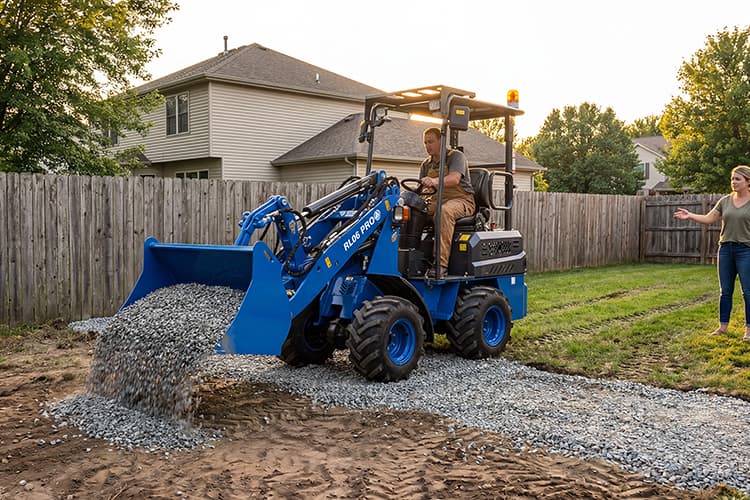
3. What Should You Check Before Buying an Electric Mini Wheel Loader?
Battery and Charging Arrangements
Battery capacity, charging time, charging equipment, and available power infrastructure are important purchasing considerations.
Ask the supplier for verified information about the selected machine. Consider how the charging schedule will fit into your daily operation and whether the site has suitable charging access.
Daily Operating Requirements
Estimate how many hours the loader needs to work each day and how frequently it will perform loading tasks.
A machine that meets occasional material-handling needs may not be suitable for continuous operations without an appropriate charging and work schedule.
Working Environment
Evaluate the floor or ground conditions, access routes, turning space, loading areas, and environmental conditions.
Indoor and outdoor applications may have different requirements. Confirm that the selected machine is designed for the intended working environment.
Bucket and Attachment Options
The bucket and available attachments affect the materials and tasks a loader can handle.
Before ordering, confirm which attachments are compatible with the specific model and whether they meet your daily material-handling requirements.
Maintenance and Technical Support
Ask about battery maintenance, replacement parts, service documentation, and technical assistance procedures.
For overseas buyers, it is especially important to understand how parts are ordered and how technical questions are handled after delivery.
4. How to Evaluate an Electric Loader Manufacturer
Choosing the right supplier is just as important as selecting the machine.
Before purchasing an electric mini loader, equipment buyers should review several aspects of the manufacturer.
Product information: Request current specifications, battery details, charging information, and configuration documentation.
Manufacturing capabilities: Review the manufacturer's equipment range, production background, and experience supplying international markets.
Parts availability: Ask which replacement parts are available and how overseas orders are processed.
Export experience: Confirm shipping arrangements, export documentation, packaging requirements, and destination-related responsibilities.
Commercial terms: Clarify order quantity, payment arrangements, delivery schedules, and warranty conditions in the written quotation.
For dealers purchasing equipment for resale, these checks can also help establish a more reliable long-term supplier relationship.
5. Is an Electric Mini Wheel Loader Right for Your Business?
Before making a decision, compare the expected benefits with the practical requirements of your operation.
An electric mini wheel loader may be worth evaluating if your business:
Has suitable charging infrastructure.
Performs regular material-handling work.
Needs compact equipment for its working environment.
Can organize operations around the machine's charging requirements.
Has access to appropriate maintenance and technical support.
If your operation requires extended continuous working hours or takes place in locations without convenient charging access, compare alternative loader configurations before making a purchase.
The most suitable machine is the one that matches your actual working conditions and business requirements.
6. Frequently Asked Questions
What is an electric mini wheel loader used for?
It is designed for compact material-handling applications such as moving soil, feed, landscaping materials, and other suitable loads. Actual applications depend on the machine's configuration.
What should I check about the battery before buying?
Confirm battery specifications, charging requirements, charging time, expected operating conditions, and battery maintenance recommendations directly with the manufacturer.
Is an electric mini loader suitable for indoor work?
It may be suitable for certain indoor material-handling applications. Buyers should confirm operating conditions, ventilation requirements, floor suitability, and the machine's approved applications.
How do I compare electric mini wheel loader manufacturers?
Compare product documentation, battery information, charging arrangements, available attachments, parts support, export experience, and commercial terms.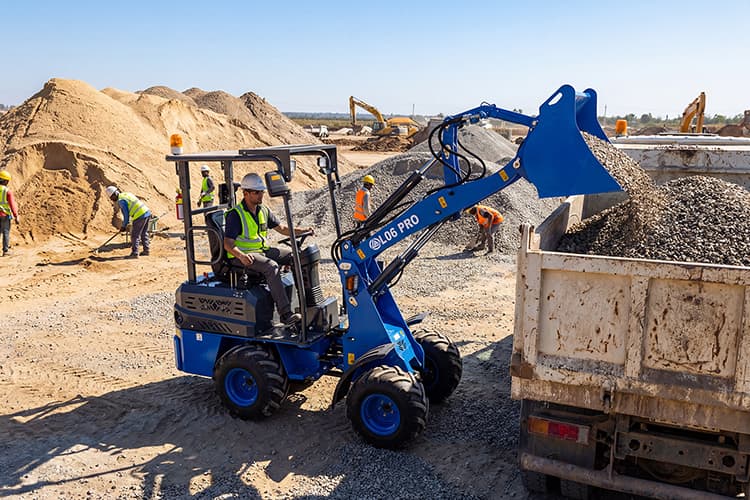
7. Contact a Construction Equipment Manufacturer
Selecting an electric mini wheel loader requires a clear understanding of your operating environment, energy infrastructure, and material-handling needs.
RIPPA Group is a construction machinery manufacturer based in Jining, Shandong, China, with a product range covering loaders, excavators, skid steer loaders, and other construction equipment.
If you are sourcing compact loading equipment for your business or dealer network, contact RIPPA to request current product information, discuss available configurations, and explore B2B purchasing opportunities.