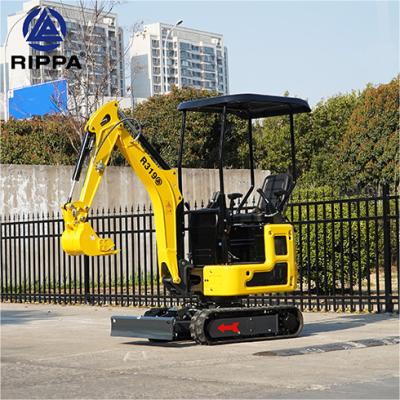
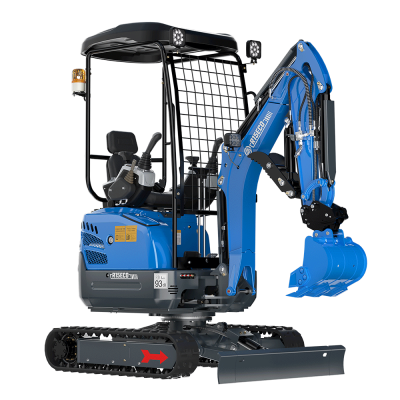
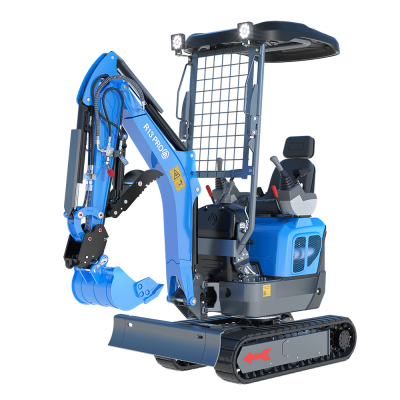
Chinese Mini Excavator Brands to Consider (or Avoid) – 2026 Buyer’s Guide
Chinese Mini Excavator Brands – Which Ones Should You Choose in 2026?
With the rapid expansion of China’s construction equipment industry, buyers now face a critical challenge: too many options.
From small workshops to large-scale export manufacturers, the quality gap between brands can be significant. For contractors, importers, and dealers, choosing the right partner is far more important than simply choosing the lowest price.
This guide helps you understand which Chinese mini excavator brands to consider—and which to approach with caution.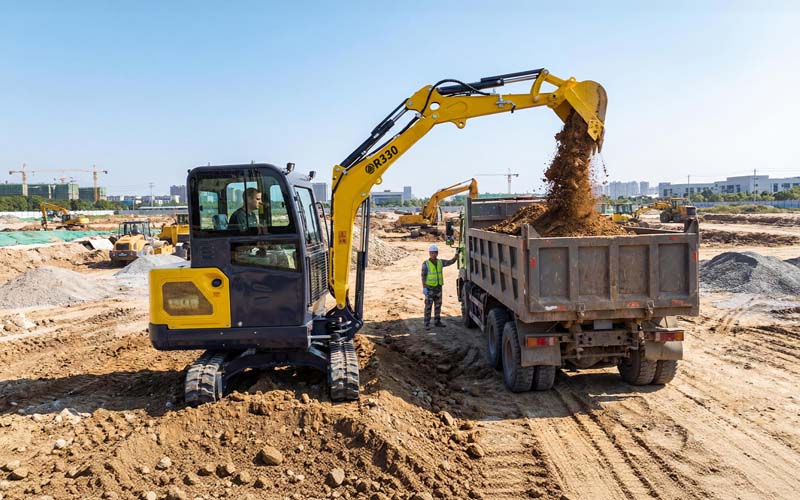
Why Brand Selection Matters More Than Ever
Unlike standardized global brands, Chinese manufacturers vary widely in:
Engineering capabilities
Quality control systems
Export experience
After-sales support
Two machines that look identical on the surface can perform very differently over time. That’s why brand evaluation is essential for long-term success.
Key Characteristics of Reliable Chinese Brands
When evaluating a manufacturer, look for the following indicators:
Export Experience
Reliable brands typically have:
Established overseas markets
Experience with CE/EPA certifications
Familiarity with international logistics
Stable Production Capacity
A strong manufacturer should offer:
Consistent delivery timelines
Scalable production
Standardized assembly processes
This is especially important for dealers managing inventory and growth.
Quality Control Systems
Top-tier factories implement:
Component testing procedures
Assembly inspections
Performance testing before shipment
These processes directly impact machine reliability.
After-Sales Support
Professional brands provide:
Spare parts supply chains
Technical documentation
Remote or dealer-level support
Without this, even a good machine can become a liability.
Types of Chinese Mini Excavator Brands in the Market
Export-Focused Manufacturers (Recommended)
These brands are:
Built for international markets
Focused on compliance and quality
Supported by dealer networks
They are the best choice for:
Importers
Distributors
Rental businesses
Domestic-Oriented Factories (Use Caution)
These manufacturers may:
Focus primarily on local markets
Lack export certifications
Provide limited support
They can be suitable for low-cost needs but carry higher risk.
Trading Companies Without Manufacturing (High Risk)
Some suppliers are not actual manufacturers. Risks include:
Inconsistent product sourcing
Lack of technical expertise
Weak after-sales support
For long-term business, these are generally not recommended.
Red Flags to Avoid When Choosing a Supplier
Buyers should be cautious if they encounter:
Prices significantly below market average
Lack of factory verification
No clear product documentation
Limited communication or slow response
These signs often indicate unstable supply or quality issues.
What Makes a Brand “Worth Partnering With”?
From a B2B perspective, the ideal brand should offer:
Competitive but realistic pricing
Reliable product quality
Scalable supply capability
Long-term cooperation potential
The goal is not just to purchase equipment—but to build a sustainable business relationship.
2026 Market Trends – What Buyers Should Expect
The Chinese mini excavator industry is evolving rapidly, with trends such as:
Improved compliance with global emission standards
Better operator comfort and design
Increased focus on branding and global presence
Expansion of overseas warehouses
These trends are narrowing the gap between Chinese and international brands.
Strategic Advice for Dealers and Importers
To succeed in this market:
Start with a reliable, mid-to-high-tier manufacturer
Test the market with selected models
Build a local service and parts system
Focus on long-term brand positioning
Avoid switching suppliers frequently, as consistency builds trust and efficiency.
Final Verdict
Chinese mini excavator brands in 2026 offer massive opportunities—but also clear risks.
The difference between success and failure lies in:
Choosing the right manufacturer
Understanding your market
Building a stable supply chain
For professional buyers, the smartest strategy is not chasing the lowest price—but partnering with a brand that supports long-term growth and profitability.