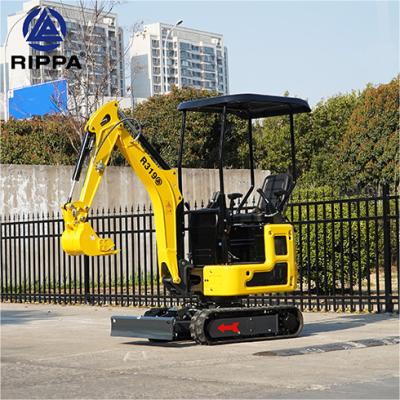
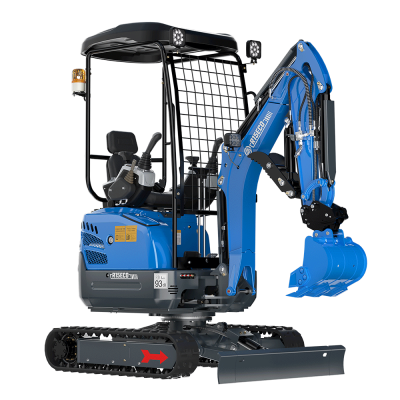
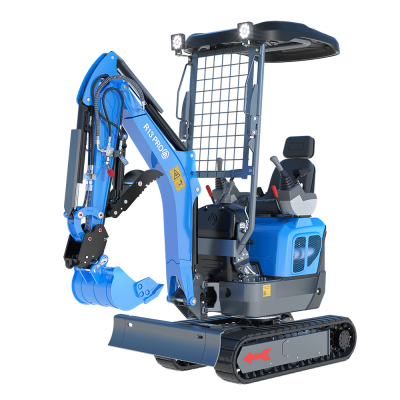
Chinese Mini Excavators for Sale: How to Choose the Right Machine
Finding the right Chinese mini excavator for sale starts with understanding the work the machine needs to perform. Contractors, landscaping businesses, farmers, and equipment dealers should compare operating requirements, machine configuration, supplier capabilities, and long-term support before choosing a model.
A suitable mini excavator should fit the job site, handle the expected workload, and be practical to transport and maintain. The lowest quoted price is not always the best purchasing decision.
What Can a Mini Excavator Do?
Mini excavators are designed for digging and material-handling tasks where larger equipment may be difficult to position. Their compact footprint makes them useful for residential construction, landscaping, farm maintenance, drainage work, and other projects with limited access.
Typical applications include:
Digging trenches for water lines and cables
Preparing garden beds and landscaping areas
Excavating around buildings and fences
Cleaning drainage channels
Completing small foundation and renovation projects
Moving soil and other materials with suitable attachments
The right configuration depends on the working environment. A machine used for narrow backyard access may have different requirements from one used regularly on a farm or construction site.
How to Choose the Right Mini Excavator Size
Before comparing products, consider the available working space, excavation depth, ground conditions, transportation method, and frequency of use.
Compact Access and Transportation
Measure the narrowest entrance to the job site, including gates, pathways, and access between buildings. Check the machine's actual dimensions against these restrictions rather than relying on a general description such as “compact.”
Transportation also matters. Buyers should confirm the machine's operating weight and overall dimensions, then determine whether their trailer and towing vehicle can handle the complete load safely and legally.
Digging Requirements
Identify the typical digging depth, trench width, and soil conditions for the intended application. Buyers should compare the relevant performance information for each machine and confirm that the selected configuration can handle the expected work.
For mixed applications, consider whether the machine can accommodate the attachments required for different tasks.
Operator Comfort and Daily Use
Controls, visibility, access to maintenance points, and operator protection can influence daily productivity. Depending on the work environment, buyers may also want to compare open-canopy and enclosed-cab configurations.
Ask the supplier to explain the differences between available configurations and identify which features are included in the quotation.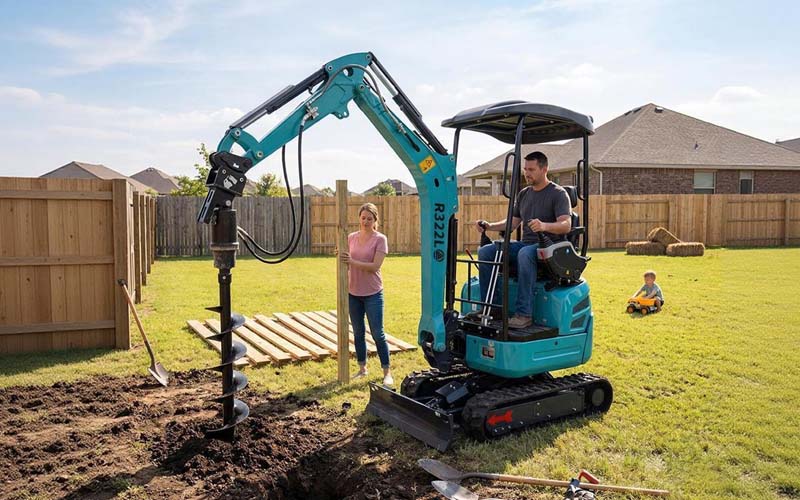
What to Check When Comparing Chinese Mini Excavators for Sale
A product listing provides an introduction, but it should not replace a detailed equipment review.
Compare the Complete Configuration
Two machines advertised in a similar size category may differ in engine, hydraulic components, undercarriage design, controls, attachments, and included accessories.
Request a written specification sheet for the exact configuration being quoted. Confirm the model designation, included equipment, optional features, and any differences between catalog images and the actual order.
Review Quality-Control Information
Ask the manufacturer how machines are inspected before shipment. Depending on the product, relevant checks may cover structural welds, hydraulic connections, control operation, engine function, track movement, and visible finish quality.
Buyers can request recent photographs, inspection records where available, and a clear description of the pre-shipment process. These details provide a more useful basis for comparison than broad claims about quality.
How to Evaluate a Chinese Mini Excavator Supplier
A reliable supplier should be able to explain the product clearly and answer practical questions about purchasing, delivery, documentation, and support.
Check the following before placing an order:
Business identity: Determine whether you are dealing with the manufacturer, a distributor, or a trading company.
Product documentation: Request the relevant specifications, manuals, and available machine documents.
Commercial terms: Confirm the price, payment schedule, production lead time, and order requirements in writing.
Parts arrangements: Ask how replacement parts are identified, ordered, and supplied.
Communication: Evaluate whether the supplier gives clear, consistent answers to technical and commercial questions.
A video factory tour or direct discussion with the production team may help buyers understand the supplier's capabilities. Any important claims should still be verified before payment.
Calculate the Total Cost Before Buying
The machine price is only one part of the purchase. Depending on the transaction, additional costs may include international freight, insurance, customs brokerage, duties, taxes, port handling, inland transportation, and unloading.
Maintenance planning also deserves attention. Ask about routine service requirements, recommended consumables, parts ordering, and the availability of technical documentation.
For an imported machine, request a written quotation that clearly separates included costs from expenses the buyer must arrange independently. Confirm applicable import requirements with the relevant authorities or a qualified customs broker.
Spare Parts and Support After Delivery
Before buying, establish how the supplier handles parts inquiries and technical questions. Ask what information is needed to identify a replacement component and whether parts can be ordered together with equipment.
For business buyers, support arrangements should be considered across the expected ownership period. A supplier that communicates clearly about maintenance and parts can make it easier to plan operations and respond to service needs.
Do not assume that every supplier offers the same warranty or support coverage. Review the actual written terms for the specific model and order.
Frequently Asked Questions
Where can I find Chinese mini excavators for sale?
Buyers can research manufacturers, authorized distributors, and equipment suppliers through official websites, product catalogs, and direct business inquiries. Compare the exact machine configuration, purchasing terms, shipping arrangements, and after-sales support before choosing a supplier.
What should I compare besides price?
Consider machine suitability, included attachments, product documentation, quality-control procedures, spare parts, shipping costs, and technical support. Comparing complete quotations is more useful than comparing headline prices alone.
Can I purchase Chinese mini excavators for a business?
Yes. Contractors, agricultural businesses, importers, and equipment dealers can contact suppliers to discuss individual machine orders or larger purchasing requirements. Available quantities and commercial terms depend on the supplier.
How do I get a quotation?
Prepare the intended application, preferred configuration, destination, and order quantity. Ask the supplier for a written quotation that identifies the machine, included equipment, payment terms, estimated lead time, shipping arrangements, and applicable warranty conditions.
Make an Informed Mini Excavator Purchase
Choosing among Chinese mini excavators for sale requires a practical comparison of job requirements, equipment configuration, supplier reliability, and total ownership costs. Buyers who define their needs before requesting quotations are better positioned to compare offers and avoid unexpected expenses.
For your next step, prepare a checklist of site access, digging requirements, attachments, destination, and order quantity. Use the same checklist with each supplier so that your final decision is based on comparable information.