Chinese Mini Excavator Manufacturers: What Buyers Should Verify
Choosing among Chinese mini excavator manufacturers requires more than finding a company with an attractive product catalog. Buyers need to understand who builds the machine, how quality is checked, what documentation is available, and how the supplier manages orders and support after delivery.
This is especially important for U.S. importers, contractors, and equipment dealers who may be purchasing from overseas for the first time. A structured supplier evaluation can help identify risks before a deposit is paid.
Manufacturer, Distributor, or Trading Company?
A company advertising mini excavators may be a factory, a distributor, or a trading business. Each type of supplier can serve a different purchasing need, but buyers should understand the distinction.
A manufacturer is directly involved in producing or assembling the equipment. A distributor typically sells products supplied by one or more manufacturers. A trading company may coordinate sourcing, export documentation, and commercial communication.
None of these business models automatically guarantees product quality. The important question is whether the supplier can meet the buyer's requirements and clearly explain its role.
Questions to Ask About Factory Capabilities
Ask which production processes are completed in-house and which components are purchased from external suppliers. Request information about assembly, inspection, and how the company handles a machine that does not pass its checks.
If practical, arrange a live video tour or request recent images showing relevant production and inspection areas. Make sure the information relates to the actual business you are evaluating.
Confirm the Business Relationship
Ask for the legal business name shown on the quotation and sales contract. Confirm who receives payment, who is responsible for product quality, and which company handles warranty claims or technical questions.
If the seller represents a manufacturer, ask how that relationship is documented. Clear responsibilities are especially important when purchasing internationally.
How to Assess Mini Excavator Build Quality
A professional evaluation should focus on the actual machine and the inspection process rather than broad marketing descriptions.
Inspect Key Structural Areas
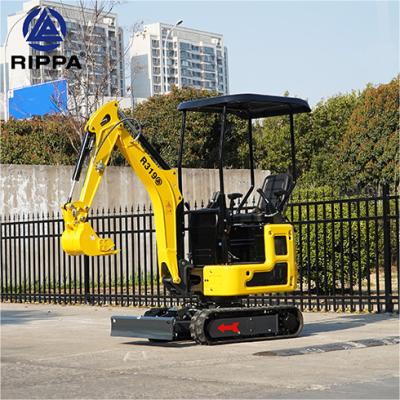
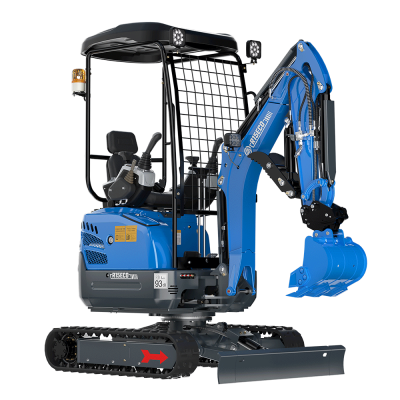
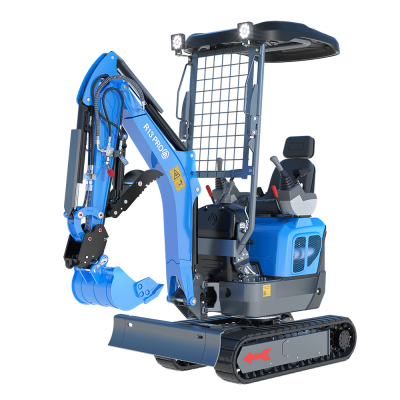
Request clear images of the boom, arm, bucket linkage, undercarriage, and other relevant structural areas. Look for consistent workmanship, visible damage, and signs that require further explanation.
Photographs cannot establish every aspect of build quality, but they can help identify questions to raise before ordering. For larger orders, buyers may consider an independent pre-shipment inspection.
Review Hydraulic and Mechanical Components
Ask for the relevant component information for the exact model. Depending on the configuration, this may include the engine, hydraulic system, travel components, hoses, and controls.
Do not assume that two machines use identical components simply because their appearance is similar. Request written confirmation of the installed configuration and any available maintenance information.
Understand the Inspection Process
Ask what checks are completed before dispatch, who performs them, and whether inspection records are available. Clarify how visible defects or operational problems are documented and resolved before shipment.
For business buyers, a repeatable inspection process can be particularly valuable when ordering multiple machines.
Compare Specifications Without Being Misled by Similar Listings
Product pages sometimes use broad descriptions that make different machines appear equivalent. Buyers should compare the details that affect the intended application.
A useful comparison may include:
Operating weight and overall dimensions
Digging depth and reach
Engine and hydraulic configuration
Track design and undercarriage
Attachment compatibility
Operator controls and protection
Maintenance access and service information
The exact factors that matter will depend on the project. For example, a landscaping business may prioritize access and attachment flexibility, while a contractor may place more emphasis on digging performance and daily operating demands.
Request documentation for the specific model and configuration being quoted. Do not rely solely on generic photographs or descriptions copied across product listings.
Evaluate Export Readiness for the U.S. Market
A supplier's ability to manufacture a machine does not automatically establish that the machine meets every requirement for import or use in the United States.
Before ordering, identify the intended destination and application. Ask the supplier what documents are available for the exact machine, engine, and shipment. Then confirm applicable requirements independently with the relevant U.S. authorities or a qualified customs professional.
Buyers in California should pay particular attention to whether state-specific rules apply to the intended equipment and engine configuration. Do not treat a general certification statement as proof that every model is compliant.
The supplier should also explain the shipping process, packing arrangements, export paperwork, and responsibilities under the agreed delivery terms.
Check Parts Supply and Technical Support
A machine supplier should be able to explain how buyers can identify parts, request technical information, and raise service questions.
Ask whether parts are ordered by model, serial number, or component reference. Find out what information is required to diagnose an issue and whether technical manuals or maintenance schedules are available.
If you operate a dealership, consider the implications of repeat orders and customer support. Discuss how parts requests are handled, how product changes are communicated, and which support responsibilities belong to the manufacturer or distributor.
Obtain written warranty terms for the specific order. Coverage, exclusions, and claim procedures can vary, so avoid making assumptions based on another company's policies.
Build a Supplier Comparison Scorecard
Use a consistent scorecard when reviewing several Chinese mini excavator manufacturers. A simple rating system can help the purchasing team identify unanswered questions and compare suppliers more objectively.
| Evaluation category | What to verify |
|---|---|
| Business identity | Legal company name and role in the supply chain |
| Factory capability | Production processes and inspection arrangements |
| Product information | Complete specifications for the quoted configuration |
| Documentation | Manuals and applicable export or compliance documents |
| Order terms | Price, payment schedule, lead time, and included items |
| Shipping | Delivery terms, packing, and cost responsibilities |
| Parts support | Ordering process and available technical information |
| Communication | Clear responses and written confirmation of key details |
A low price should not compensate for missing information about essential requirements. If a supplier cannot answer an important question, record it as unresolved rather than assuming the answer is favorable.
Frequently Asked Questions
How can I tell whether a Chinese mini excavator supplier is a manufacturer?
Ask for the legal business identity, production information, factory evidence, and a clear explanation of which manufacturing processes the company performs. A live video tour and direct technical discussion can help, but important claims should still be verified.
What documents should I request before buying?
Request a written quotation, model-specific specifications, relevant manuals, order terms, shipping documents, and available compliance documentation. The exact documents required depend on the machine and its destination.
Should I choose the lowest-priced manufacturer?
Not automatically. Compare the complete configuration, inspection process, shipping costs, parts arrangements, and written commercial terms. A cheaper offer may not include the same equipment or support.
Why does after-sales support matter when importing equipment?
Access to parts information and a clear technical support process can help buyers plan maintenance and address operational issues. Support arrangements should be reviewed before purchase rather than after the machine arrives.
Choose a Supplier You Can Verify
The strongest purchasing decision comes from evidence, not promises. Verify the supplier's role, review the actual machine configuration, understand the inspection process, and document commercial and support responsibilities.
By applying the same checklist to each candidate, U.S. buyers can evaluate Chinese mini excavator manufacturers more consistently and make purchasing decisions with fewer unanswered questions.