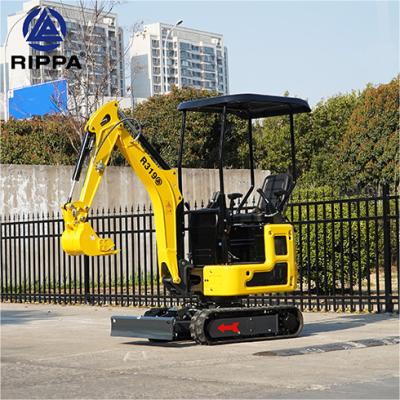
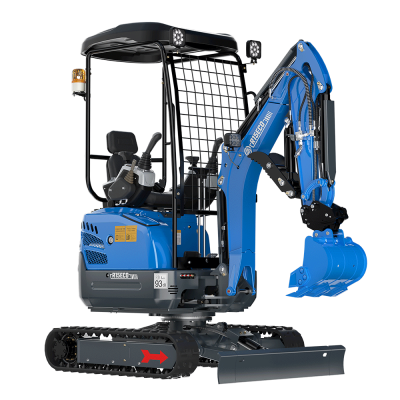
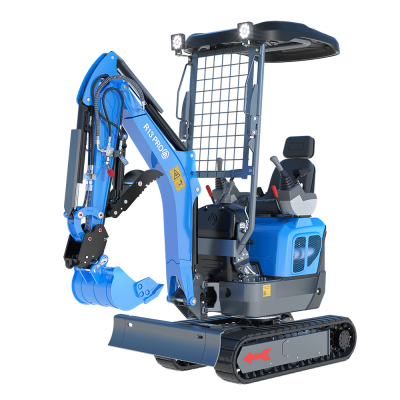
Chinese Mini Excavator Wholesale Suppliers: A Guide for Dealers
Equipment dealers looking for Chinese mini excavators for sale should evaluate potential wholesale suppliers as long-term business partners, not simply as sources of low-priced machines. Product consistency, clear order terms, parts availability, marketing support, and communication can all influence whether a supplier relationship works over time.
Before selecting a supplier, dealers should define their target customers, determine which equipment configurations fit local demand, and establish how they will handle inventory, delivery, and customer support.
Define Your Market Before Contacting Suppliers
The right product range depends on the customers a dealership intends to serve. Landscaping contractors, small construction businesses, agricultural operators, and property maintenance companies may have different equipment requirements.
Start by researching the types of jobs customers perform, the site conditions they encounter, and the machine features they value. Consider transportation, attachment needs, service expectations, and the available budget.
This research can help dealers avoid ordering equipment simply because it is available or competitively priced. A product selection based on actual customer requirements is a more useful foundation for wholesale purchasing.
How to Evaluate Chinese Mini Excavator Wholesale Suppliers
A supplier should be able to explain its product range, order process, commercial terms, and support arrangements clearly.
Review the Product Range
Check whether the supplier offers configurations suitable for your target market. Compare the specifications, available attachments, operator arrangements, and intended applications of the products under consideration.
Ask for model-specific product information and confirm which options are standard and which require an additional charge. Consistent product descriptions make it easier for a dealership to prepare accurate quotations for customers.
Verify Supply Capabilities
Ask whether the supplier manufactures the equipment directly or sources it from other businesses. Discuss production planning, order confirmation, estimated lead times, and how changes to a confirmed order are managed.
For repeat purchasing, consistency matters. Dealers should understand how the supplier identifies each configuration and communicates changes to components, specifications, or product availability.
Evaluate Communication
A wholesale relationship involves more than the initial order. Dealers may need assistance with product questions, parts identification, documentation, shipment coordination, and customer inquiries.
Assess whether the supplier provides clear written answers and identifies the person or department responsible for each issue. Good communication does not eliminate every problem, but it makes expectations and responsibilities easier to manage.
Understand Wholesale Pricing and Order Terms
Wholesale prices can vary according to model, configuration, order quantity, included attachments, packaging, shipping terms, and other commercial conditions.
When requesting a quotation, provide the supplier with a consistent purchasing brief. Identify the required models, estimated quantities, destination, desired delivery arrangement, and any additional items needed.
Compare More Than the Unit Price
A lower unit price may come with different inclusions, payment conditions, or delivery responsibilities. Ask suppliers to identify what is included in the quotation and which costs must be arranged separately.
A useful wholesale comparison should cover:
Unit price and any quantity-based pricing
Minimum order requirements, if applicable
Included attachments and accessories
Payment schedule and order confirmation process
Production lead time and shipment arrangements
Applicable warranty terms
Spare parts ordering and technical support
Do not assume that every supplier offers the same minimum order quantity or discount structure. Confirm current conditions directly and obtain material terms in writing.
Calculate the Business Cost
Dealers should estimate the complete cost of receiving, storing, preparing, and delivering equipment to customers. Depending on the business model, this may include freight, import charges, local transport, unloading, storage, preparation, marketing, and customer service.
A realistic cost estimate can help dealers set prices responsibly and understand the margin available for business operations. Use confirmed quotations rather than relying on broad industry estimates.
Build a Parts and Service Plan
A dealer's reputation depends partly on what happens after a machine is sold. Before choosing a wholesale supplier, determine how the business will respond when customers need maintenance information, replacement components, or technical assistance.
Ask the supplier how parts are identified and ordered, what product documentation is available, and how technical questions are submitted. Clarify which support tasks the supplier handles and which remain the dealer's responsibility.
Plan Parts Purchasing
Identify the common maintenance items relevant to the selected models and ask how replacements can be sourced. If you expect repeat equipment orders, discuss whether parts can be included in the purchasing plan.
The appropriate parts strategy depends on the product range, customer base, and expected service demand. Avoid assuming that every part is immediately available; confirm availability and lead times for the items that matter most to your business.
Set Customer Support Expectations
Create a process for collecting machine identification details, describing technical problems, and passing relevant information to the supplier. Keep customer communication and service records organized.
Review the written warranty conditions before selling the equipment. Make sure your sales team understands the applicable coverage, exclusions, and claim process so that customer expectations are realistic.
Shipping and Inventory Planning for Dealers
Wholesale purchasing requires coordination between order timing, shipment arrangements, receiving capacity, and customer demand.
Before confirming a shipment, establish the destination, delivery terms, expected schedule, and responsibilities for customs clearance and domestic transportation. Ask for shipment documentation and a clear explanation of any costs that are not included in the quotation.
Dealers should also prepare for receiving and storage. Consider unloading equipment safely, checking each machine against the purchase order, recording any visible damage, and keeping documents organized.
Inventory decisions should reflect realistic demand and cash-flow constraints. A smaller initial order may be a sensible way to evaluate product fit and supplier communication before expanding purchasing commitments, depending on the supplier's order requirements.
What Makes a Sustainable Dealer-Supplier Relationship?
A strong business relationship is built on clear expectations and consistent communication. Both parties should understand the product range, commercial terms, order process, documentation responsibilities, and approach to handling problems.
For dealers, useful questions include whether the supplier can support repeat orders, provide updated product materials, explain configuration differences, and coordinate parts requests. If any territory policy or dealer arrangement is offered, request the actual written terms rather than relying on a general promise.
Suppliers should also receive clear information from dealers about target customers, expected purchasing patterns, destination requirements, and the support the dealership can provide locally.
A Practical Checklist Before Your First Wholesale Order
Before committing to a wholesale purchase, confirm the following:
The product range fits your target customer group.
The quoted configuration and included accessories are clearly documented.
Pricing, payment terms, and order requirements are understood.
Production and shipping estimates are provided in writing.
The responsibilities for import and delivery costs are clear.
Available manuals and relevant product documents have been reviewed.
Parts ordering and technical support processes are understood.
Warranty terms and customer support responsibilities are documented.
The expected total cost fits your business plan.
The supplier has answered all material questions before payment.
This checklist can also be used when reviewing alternative suppliers, helping the dealership compare offers consistently.
Frequently Asked Questions
Can equipment dealers buy Chinese mini excavators wholesale?
Dealers can contact manufacturers and suppliers to discuss wholesale purchasing. The available models, order quantities, prices, and commercial conditions vary, so each business should confirm the supplier's current terms.
What should a dealer ask a wholesale supplier?
Ask about product configurations, order quantities, pricing, lead times, shipping, documentation, parts supply, warranty terms, and technical support. Request written confirmation of the terms that affect your purchase.
Should a new dealer start with a large order?
Not necessarily. The appropriate order size depends on customer demand, available capital, storage, delivery planning, and the supplier's minimum order requirements. Dealers should evaluate these factors before making a commitment.
How can a dealer reduce purchasing risk?
Use written quotations and contracts, verify the supplier's identity, confirm the exact equipment configuration, understand delivery responsibilities, and establish a parts and support plan before ordering.
Choose a Wholesale Partner for Long-Term Growth
For equipment dealers, buying Chinese mini excavators is a commercial decision that affects product selection, margins, inventory, and customer relationships. A wholesale supplier should offer clear product information, transparent terms, and a workable process for handling orders and support.
Before selecting a supplier, compare several offers using the same checklist and calculate the full cost of bringing each machine to market. This approach gives your dealership a stronger basis for purchasing decisions and long-term supplier cooperation.