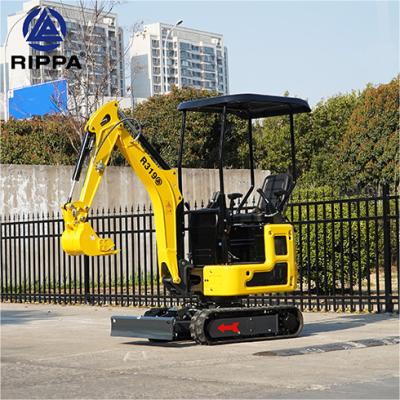
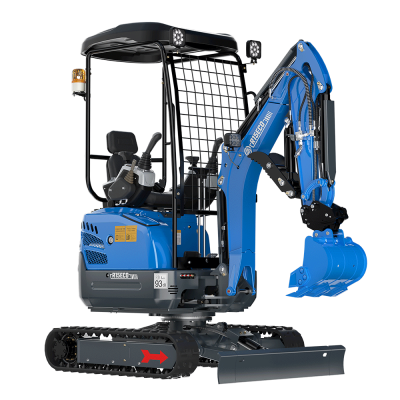
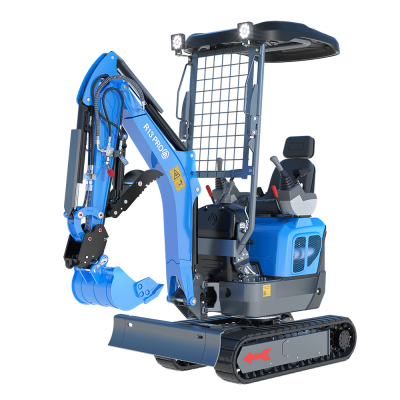
Compact Excavators 1–6 Ton – Full Model Comparison
Compact excavators in the 1–6 ton class have become one of the most practical machine categories for contractors, landscapers, rental companies, farms, and municipal projects. Their smaller footprint, lower transport cost, and multi-purpose attachment compatibility make them ideal for jobs where larger machines are inefficient or impossible to use.
If you are comparing compact excavators in 2026, understanding tonnage classes is the fastest way to choose the right machine.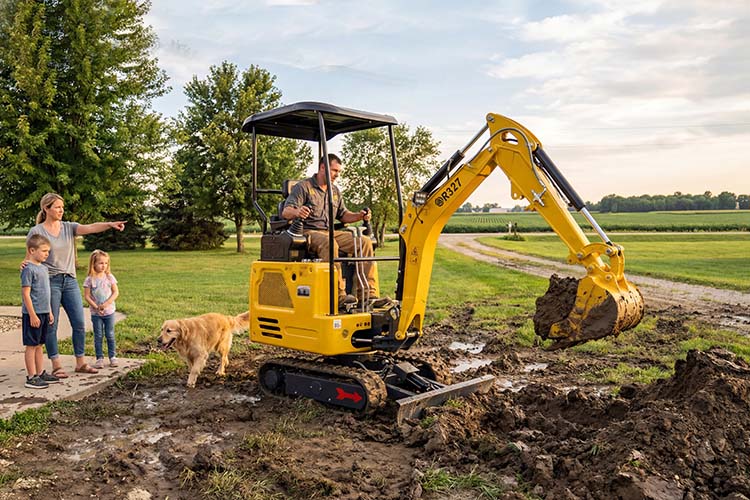
1 Ton Compact Excavators – Ultra Small Access Machines
1 ton mini excavators are designed for tight spaces such as backyards, indoor demolition, greenhouses, and narrow residential pathways.
Best for:
Home foundation trenching
Garden landscaping
Utility repair in narrow access zones
Indoor renovation work
Advantages:
Easy trailer transport
Low fuel consumption
Fits through gates and side passages
Lower purchase cost
This class is ideal for first-time buyers and small contractors who need flexibility.
2 Ton Compact Excavators – Most Popular Entry Commercial Size
The 2 ton segment is one of the highest-demand categories worldwide. It offers more digging force and better stability than 1 ton models while remaining easy to move between sites.
Best for:
Small construction projects
Drainage trenching
Light demolition
Fence and pole installation
For many buyers, a 2 ton compact excavator offers the best balance between price and performance.
3 Ton Compact Excavators – Contractor Favorite
3 ton machines are often considered the “sweet spot” for daily commercial use. They deliver stronger breakout force, improved reach, and can run a wider range of hydraulic attachments.
Best for:
Roadside utility work
Medium trenching projects
Rental fleets
General contractors
If you need one machine for many jobs, this category deserves serious attention.
4–6 Ton Compact Excavators – Heavy Compact Performance
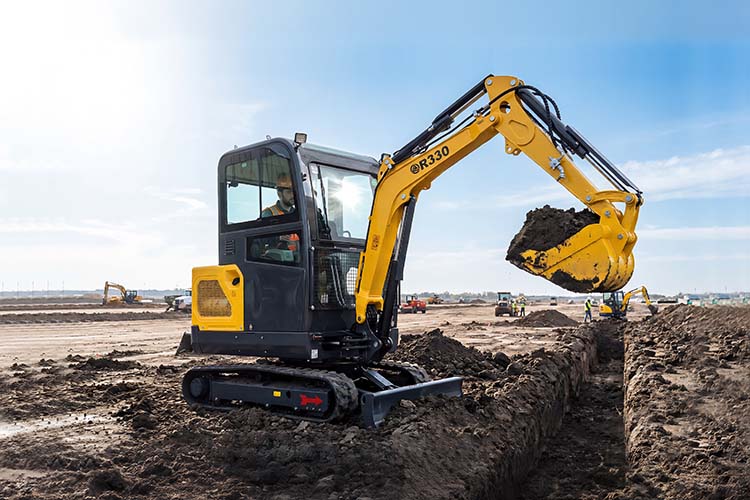
For larger jobs where space is still limited, 4 to 6 ton excavators provide near full-size productivity in a compact platform.
Best for:
Commercial excavation
Site preparation
Concrete breaking
Forestry and agricultural land clearing
These models usually include enclosed cabins, advanced hydraulics, better operator comfort, and higher lift capacity.
Key Buying Factors in 2026
When comparing compact excavators, focus on more than just weight class.
Check these points carefully:
Engine brand and emissions compliance
Hydraulic flow for attachments
Dig depth and reach
Swing tail radius
Undercarriage durability
Spare parts support
Warranty coverage
Dealer network availability
Reliable after-sales support often matters more than a small price difference.
Chinese Compact Excavators Growing Fast
Many buyers now compare Chinese compact excavators with Japanese, Korean, and European brands. In recent years, quality has improved significantly while pricing remains competitive.
Manufacturers such as RIPPA have expanded globally with compact excavators designed for contractors seeking strong value, modern features, and export-ready support.
Who Should Buy Which Size?
| User Type | Recommended Size |
|---|---|
| Homeowner | 1 ton |
| Landscaper | 1.5–2 ton |
| Small Contractor | 2–3 ton |
| Rental Fleet | 2–3.5 ton |
| Commercial Builder | 4–6 ton |
Final Thoughts
The best compact excavator is not always the biggest or cheapest machine—it is the model that matches your daily workload, transport method, and support needs. In 2026, buyers have more options than ever, especially in the 1–6 ton range.