The Complete Guide to a Mini Excavator Dealership Program
A mini excavator dealership program is a structured partnership between a manufacturer and a local equipment business. The dealer develops the regional market, sells machines, and supports customers, while the manufacturer supplies products, documentation, training, parts, and commercial assistance.
Understanding the full program before signing an agreement helps dealers protect cash flow and build a sustainable equipment business.
What Should a Dealership Program Include?
A credible program should define responsibilities clearly. Important subjects include product access, dealer pricing, order quantities, payment terms, territory policies, warranty handling, technical support, marketing resources, and spare-parts supply.
Dealers should also determine whether the relationship is exclusive or non-exclusive. Exclusive rights may offer stronger regional protection, but they often come with purchasing targets, service requirements, or marketing commitments. Every condition should be documented rather than assumed.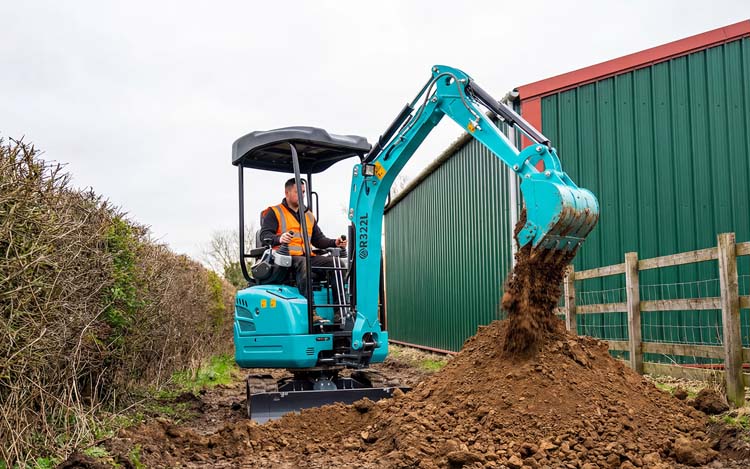
Product and Inventory Planning
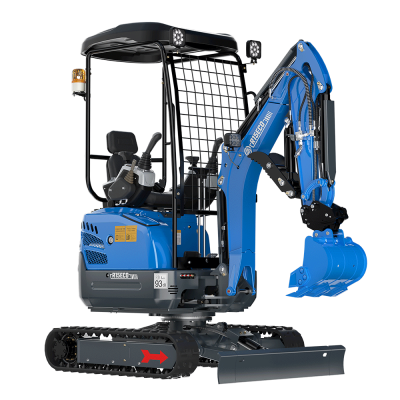
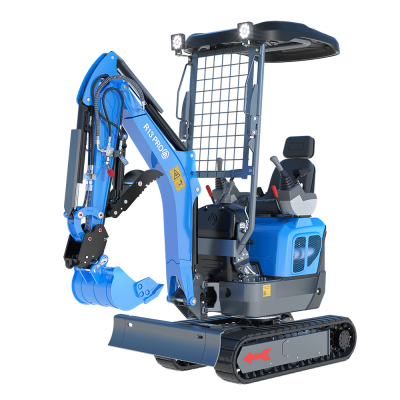
The best opening inventory is not necessarily the largest. It should reflect local applications and realistic sales volume. Dealers can begin with a carefully selected range that addresses construction, landscaping, agriculture, property maintenance, and rental demand.
Attachments are an important part of the program because they allow one mini excavator to complete multiple jobs. Buckets, augers, breakers, grapples, and other tools may also create additional sales opportunities. Compatibility must always be confirmed for the specific machine and hydraulic configuration.
Demo units can help customers evaluate operating comfort, access, stability, and job suitability before purchasing.
Dealer Training and After-Sales Support
Sales training should explain more than product features. Representatives need to understand how to match a machine with the customer’s work, transport conditions, attachments, maintenance expectations, and budget.
Technical support is equally important. A dealership program should establish procedures for machine inspection, maintenance guidance, parts identification, warranty claims, and fault reporting. Dealers should ask how quickly common parts can be supplied and whether an initial parts package is available.
Reliable service protects both the customer relationship and the dealer’s reputation.
Marketing and Customer Acquisition
Manufacturers may provide product images, videos, brochures, manuals, and advertising materials. Dealers must adapt these resources to local languages, industries, and buying habits.
A balanced marketing strategy can include a dealership website, search advertising, social media, equipment marketplaces, trade events, demonstrations, rental partnerships, and direct outreach to contractors. Customer information collected during campaigns should be followed up systematically.
Evaluating a RIPPA Dealership Opportunity
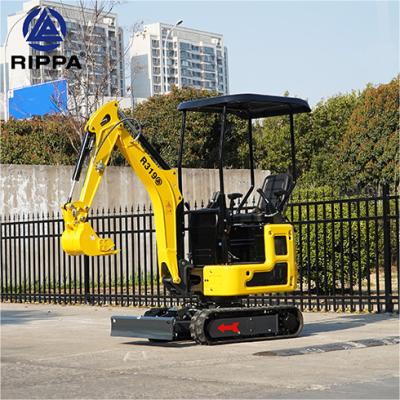
Businesses considering a RIPPA mini excavator dealership should provide information about their country, target territory, company background, sales channels, service capacity, and expected order plan. This allows both parties to evaluate market suitability and select an appropriate cooperation structure.
A mini excavator dealership program succeeds when competitive products are supported by disciplined inventory management, professional local service, and consistent customer acquisition.