How Do I Become an Excavator Dealer? Requirements and Steps
Becoming an excavator dealer requires more than purchasing machines at wholesale prices. A successful dealership combines suitable products, local market knowledge, service capability, and a reliable manufacturer relationship. Before applying, prospective dealers should evaluate customer demand, investment capacity, and their ability to provide long-term support.
Research Your Local Excavator Market
Start by identifying the customers you intend to serve. Mini excavators are commonly purchased by contractors, landscapers, farmers, rental companies, utility businesses, and property owners. Their needs may differ significantly.
Analyze popular machine sizes, typical applications, competing brands, local price levels, and attachment demand. A region with many landscaping companies may favor compact machines and versatile attachments, while construction markets may require a broader product range and faster parts support.
This research helps you select inventory based on real demand instead of personal assumptions.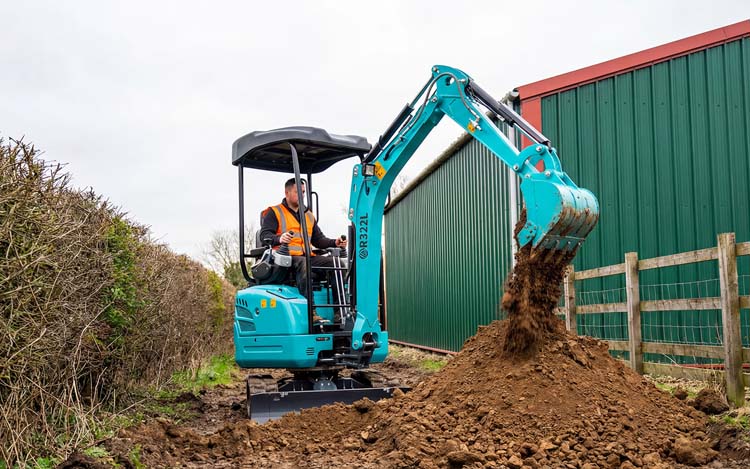
Prepare the Basic Dealer Requirements
Excavator manufacturers generally assess whether an applicant can represent the brand professionally. Requirements vary, but dealers should normally prepare:
A registered business and suitable operating location
Experience in machinery, construction, agriculture, or equipment sales
A sales and customer-development plan
Initial inventory or demonstration-machine capacity
Basic inspection and maintenance capability
A strategy for spare parts and after-sales support
A large showroom is not always essential. However, customers must have confidence that the dealer can demonstrate machines, answer technical questions, and respond after the sale.
Choose the Right Excavator Manufacturer
Compare manufacturers beyond the initial purchase price. Product consistency, communication, documentation, warranty procedures, parts availability, and delivery planning all affect your long-term reputation.
Ask potential suppliers about territory arrangements, minimum orders, marketing materials, technical training, spare-parts packages, and model availability. Any specifications or regional compliance documents should be verified for the exact machine and destination market.
RIPPA works with machinery businesses seeking mini excavators and related compact equipment for local distribution. The appropriate cooperation structure depends on the dealer’s market, business capacity, and selected product range.
Build Sales and Service Capabilities
New dealers should avoid holding too many similar models. A focused opening inventory usually makes demonstrations, employee training, and parts planning easier. Attachments can expand the number of applications each machine can serve and increase the value of each sale.
Create a clear process for inquiries, demonstrations, quotations, delivery inspections, operator guidance, warranty communication, and follow-up service. Fast, professional responses are especially important when competing against established local brands.
Apply for an Excavator Dealership
Prepare a short company profile describing your location, sales territory, industry experience, existing customers, service resources, and expected purchasing plan. The manufacturer can then evaluate product fit and propose a suitable cooperation model.
Becoming an excavator dealer is a long-term business decision. The strongest opportunity comes from matching dependable machines with local sales expertise, practical service, and consistent customer development.