How to Become a Mini Excavator Dealer in the United States
What Does It Take to Become a Mini Excavator Dealer?
Becoming a mini excavator dealer involves more than finding a supplier and listing machines for sale. A sustainable dealership needs a clear customer base, a suitable equipment range, reliable supply arrangements, and a plan for handling customer questions after delivery.
In the United States, compact excavators may appeal to landscaping contractors, agricultural operators, construction companies, property maintenance businesses, and equipment retailers. However, demand varies by location, customer type, competing brands, and local economic conditions.
Before entering the market, prospective dealers should evaluate whether the business opportunity fits their experience, resources, and target customers.
1. Research Your Local Equipment Market
Start by identifying the types of customers you want to serve.
For example, landscaping businesses may need compact machines for grading, planting, and site preparation. Agricultural customers may require equipment for drainage, property maintenance, and general excavation. Construction contractors may evaluate machines based on working capabilities, transport requirements, and compatibility with their existing equipment.
Research local competitors and compare the brands, product categories, and customer services they offer.
Questions worth investigating include:
Which customer groups purchase compact excavators in your area?
What products do established dealers offer?
Which applications are most relevant to local businesses?
What purchasing concerns do customers raise?
Are there gaps in the available product range or service experience?
This research helps determine which products to consider and how to differentiate the dealership without relying entirely on price.
2. Choose a Suitable Manufacturing Partner
A mini excavator dealer depends on suppliers for product availability, accurate documentation, and clear communication.
When evaluating manufacturers, review their product ranges, quality procedures, commercial terms, production schedules, and processes for handling parts requests.
Request written quotations and confirm which products and configurations are available. Ask whether the manufacturer can provide product photographs, manuals, specifications, and other documentation needed for sales and customer support.
Potential dealers should also understand the supplier’s order requirements, payment arrangements, shipping terms, and process for addressing problems.
RIPPA is one of the construction equipment brands prospective dealers may research when evaluating mini excavator supply options. Any proposed dealer relationship should be discussed directly with the company, including the applicable product range, territory arrangements, and commercial terms.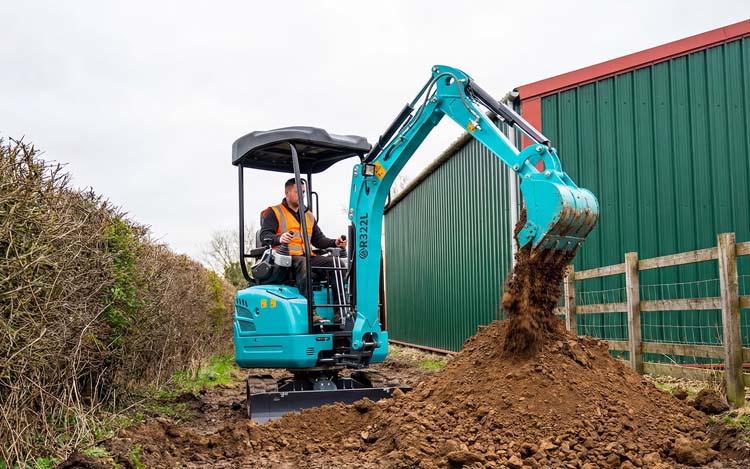
3. Build a Realistic Inventory Plan
Inventory can represent a significant share of a dealership's working capital. Buying too many machines before demand is established may increase storage costs and reduce financial flexibility.
A more practical approach is to estimate demand using local market research, customer inquiries, competitor activity, and available business resources.
Before deciding how many machines to order, consider:
Expected monthly sales.
Available working capital.
Storage and handling capacity.
Shipping and replenishment lead times.
The range of products customers are likely to request.
The cost of keeping parts and accessories available.
Ask suppliers about minimum order quantities and repeat-order schedules. Compare the cost and flexibility of different purchasing options before committing to inventory.
A disciplined inventory plan allows the dealership to expand as sales patterns become clearer.
4. Understand Pricing and Profitability
A dealership's profitability depends on both revenue and operating expenses.
The difference between the purchase price and the selling price is not the same as net profit. Transportation, import costs, storage, advertising, staffing, insurance, financing, parts inventory, and customer support may all affect the final result.
Create a basic financial model before purchasing inventory. Estimate the selling price for each product, the total cost of acquiring it, expected sales volume, and recurring monthly expenses.
It is also useful to prepare several scenarios. A conservative forecast can show whether the business remains viable if sales develop more slowly than expected.
Do not base a business plan on unverified claims about guaranteed margins or a fixed number of sales per month.
5. Plan Customer Support Before the First Sale
Customer service is an important part of equipment dealership operations.
Before launching, establish how customers can request product information, obtain operating documentation, identify replacement parts, and report technical issues.
Clarify which responsibilities belong to the dealer and which are handled by the manufacturer or another service provider. Confirm actual parts availability and service arrangements rather than making assumptions about response times.
Dealers should also maintain accurate records of machine identification, order details, customer communications, and parts requests. Organized records make it easier to track issues and follow up with customers.
A clear support process can help a new dealership build credibility and encourage repeat business.
6. Create a Marketing Strategy for Your Dealership
A dealership needs a reliable way to reach potential buyers and convert their interest into qualified inquiries.
A professional website should include useful product information, clear contact details, and a straightforward process for requesting a quotation. Product pages should answer common questions about applications, available configurations, documentation, and purchasing arrangements.
Other marketing options include:
Local search engine optimization.
Google Ads for relevant commercial searches.
Outreach to construction and landscaping companies.
Product demonstrations where appropriate.
Industry networking and trade events.
Email follow-up for qualified prospects.
Useful SEO topics include mini excavator buying guides, manufacturer comparisons, product selection, and equipment applications.
Keep marketing claims accurate. Do not advertise inventory, exclusive territories, or support services unless those arrangements have been confirmed.
7. Develop a Long-Term Dealer Strategy
Once the dealership begins attracting customers, use actual sales and inquiry data to refine the product range.
Track which products receive the most qualified inquiries, which customer groups convert, how long inventory takes to sell, and which questions repeatedly delay purchasing decisions.
Share relevant demand information with suppliers when planning future orders. This can help both sides coordinate product selection and replenishment more effectively.
A long-term dealership strategy should balance sales growth with cash flow, inventory risk, and the ability to support customers consistently.
Frequently Asked Questions
Do I need previous construction equipment experience to become a mini excavator dealer?
Experience can help with product selection and customer communication, but requirements vary by business model and supplier. New entrants should invest time in learning equipment applications, purchasing processes, and applicable local requirements.
How much inventory should a new dealer purchase?
There is no universal quantity. Start with a realistic demand estimate, available capital, supplier order requirements, and storage capacity. Avoid committing more inventory than the business can reasonably support.
How can I find a mini excavator manufacturer?
Research manufacturers, compare product offerings, request quotations, and verify documentation, shipping terms, and parts support. Contact potential suppliers directly to discuss commercial requirements.
What is the difference between a dealer and a distributor?
The terms vary by company and industry. A dealer often sells equipment to end users in a defined market, while a distributor may supply multiple dealers or resellers. The exact responsibilities should be established in the relevant agreement.
Conclusion
Building a mini excavator dealership starts with local market research, careful supplier evaluation, realistic financial planning, and a practical customer support process.
By developing a focused product range and tracking actual customer demand, prospective dealers can make better-informed decisions about entering or expanding in the US compact equipment market.