Chinese Mini Skid Steer Loaders: What US Buyers Should Know
Why Are Buyers Comparing Chinese Mini Skid Steer Loaders?
Mini skid steer loaders are compact machines used for material handling, landscaping, property maintenance, and other tasks where maneuverability is important.
For US equipment dealers, contractors, and machinery importers, Chinese manufacturers may offer additional options when comparing suppliers. However, choosing equipment based on country of origin or initial price alone is not enough. Buyers should evaluate the machine, the manufacturer, the total purchasing cost, and the support arrangements together.
A well-structured comparison helps businesses determine whether a particular machine and supplier are suitable for their intended applications.
1. Understand the Different Types of Mini Skid Steer Loaders
The term “mini skid steer” can refer to compact loaders designed for smaller work areas and material-handling tasks. Available designs and configurations vary by manufacturer.
Before comparing products, identify the work the machine needs to perform. Landscaping businesses may prioritize maneuverability, while property maintenance companies may focus on versatility and transport convenience.
Review the following factors:
Machine dimensions and operating weight.
Rated operating capacity and lifting requirements.
Available attachment options.
Track or wheel configuration.
Transport and storage requirements.
Maintenance access and operating environment.
Do not assume that machines described with similar marketing terms have equivalent capabilities. Compare documented specifications and confirm that each model is suitable for the intended work.
2. Evaluate Chinese Manufacturers Beyond the Quoted Price
A competitive quotation is useful, but the supplier's production processes and commercial reliability also matter.
Ask the manufacturer how quality inspections are conducted, what product documentation is available, and how orders are scheduled. Request clear information about the exact machine, included accessories, packaging, and shipment arrangements.
It is also useful to review the manufacturer's experience supplying international customers, while distinguishing verified information from general marketing statements.
Potential buyers should request recent product photographs and relevant documentation. When possible, arrange a product demonstration, inspection, or independent assessment appropriate to the transaction.
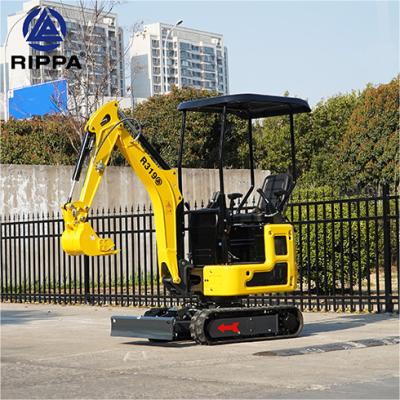
RIPPA is one brand that US buyers can include when researching Chinese suppliers of compact construction equipment. Prospective customers should compare the specific products and purchasing terms available to them rather than relying on brand descriptions alone.
3. Check Attachment Compatibility
Attachments can influence the usefulness of a mini skid steer loader across different applications.
Depending on the machine and supported configuration, buyers may investigate buckets, forks, grading tools, and other attachments used for material handling or site maintenance.
However, attachment compatibility should never be assumed from appearance alone. Buyers need to confirm the mounting system, hydraulic requirements where applicable, operating capacity, and manufacturer guidance for the specific machine.
For dealers, this information also affects inventory decisions. Selling a machine with a clear explanation of compatible attachments can help customers understand what the equipment can realistically do.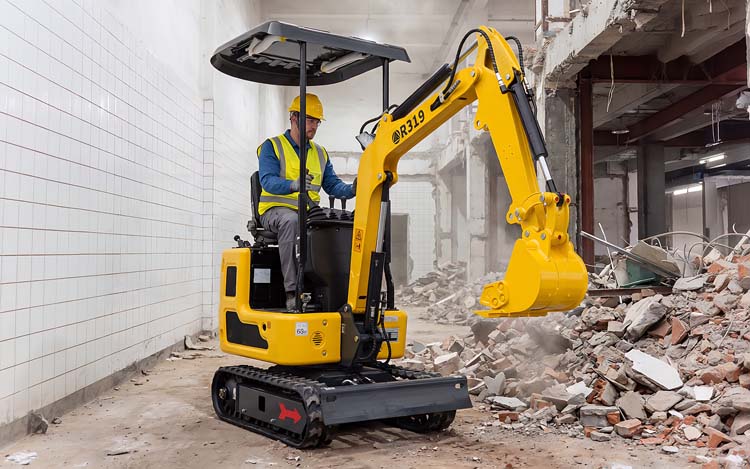
4. Calculate the Total Cost of Importing from China
The initial equipment price is only one part of the total cost for an imported machine.
US importers should estimate international freight, insurance where applicable, port handling, customs-related costs, duties, inland delivery, and any additional costs required to prepare the machine for sale or use.
Before placing an order, request a written quotation that identifies the product, order quantity, shipping terms, delivery destination, payment schedule, and excluded charges.
Buyers should also verify applicable US import rules and product compliance requirements for the specific equipment. Requirements can depend on machine characteristics, components, intended use, and other circumstances.
A landed-cost worksheet makes it easier to compare different manufacturers on a consistent basis.
5. Verify Parts Support and Maintenance Information
Parts availability is an important consideration when purchasing compact equipment from an overseas manufacturer.
Before ordering, ask how parts are identified, how replacement components are requested, and how technical questions are handled. Confirm whether common parts are stocked locally or supplied internationally and what delivery arrangements apply.
Dealers should also understand the maintenance requirements described in the machine documentation and identify any specialized tools or service resources needed for routine work.
Clear support arrangements can help importers prepare their parts inventory and explain realistic service expectations to customers.
6. Compare Suppliers Using a Practical Checklist
A structured checklist can make the evaluation process more consistent.
| Evaluation area | Questions to ask |
|---|---|
| Product suitability | Does the machine fit the intended work and operating environment? |
| Quality | What inspection procedures and records are available? |
| Attachments | Which attachments are confirmed as compatible? |
| Purchasing cost | What is included in the quotation, and what costs are excluded? |
| Documentation | Are operating manuals and relevant product documents available? |
| Parts support | How are parts requests and technical questions handled? |
| Delivery | What shipping terms and estimated schedules apply? |
This approach is useful for both individual equipment buyers and businesses planning repeat orders.
Frequently Asked Questions
Are Chinese mini skid steer loaders suitable for US businesses?
Suitability depends on the specific machine, intended application, documentation, support arrangements, and applicable US requirements. Buyers should evaluate individual products rather than assuming that all machines from one country are equivalent.
What should I check before importing a mini skid steer?
Review the machine specifications, attachment compatibility, quotation terms, shipping arrangements, import requirements, parts availability, and total landed cost.
Can I buy mini skid steer loaders for a dealership?
Businesses can approach manufacturers to discuss product availability, commercial terms, order quantities, and potential supply arrangements. The details depend on the supplier and the proposed business relationship.
Why is attachment compatibility important?
Attachments affect what a machine can do and whether it is appropriate for a particular job. Confirm compatibility and operating limitations with the manufacturer before purchasing or advertising a specific combination.
Conclusion
Chinese mini skid steer loaders give buyers another category of suppliers to investigate when comparing compact equipment options.
The most effective purchasing decision comes from evaluating documented machine capabilities, supplier reliability, import costs, attachment compatibility, and parts support together. A careful comparison helps US buyers identify equipment that fits their actual operational and business requirements.