Skid Steer Loader Manufacturers: How to Find the Right Supplier
How Should Businesses Compare Skid Steer Loader Manufacturers?
Finding a suitable skid steer loader manufacturer is an important step for equipment dealers, construction businesses, machinery importers, and regional distributors.
A manufacturer can influence product availability, purchasing conditions, documentation, and the process for resolving technical questions. For businesses planning repeat purchases, the relationship can also affect inventory planning and customer service.
Rather than selecting a supplier based solely on a low quotation, buyers should compare product suitability, manufacturing processes, total cost, and the support available for the specific equipment.
1. Determine Which Type of Skid Steer Loader You Need
The right machine depends on the work it is expected to perform.
Some buyers need compact equipment for landscaping and property maintenance. Others require machines for construction support, material handling, agricultural tasks, or other commercial applications.
Before contacting manufacturers, identify the main operating requirements:
Expected lifting and material-handling needs.
Available working space and access limitations.
Ground conditions and operating environment.
Required attachments and their compatibility.
Transport arrangements and storage capacity.
Maintenance resources available to the business.
These requirements provide a basis for comparing machine specifications and avoiding products that do not fit the intended application.
2. Examine Manufacturing and Quality Control
Manufacturers may differ in how they source components, assemble machines, inspect finished products, and prepare equipment for shipment.
Ask prospective suppliers to explain their quality management procedures. Request relevant documentation and determine how finished machines are inspected before delivery.
Buyers may also want to understand how manufacturing defects or product concerns are reported and handled.
When possible, review current factory materials, arrange an inspection, or use an independent inspection service where appropriate.
It is important to distinguish documented procedures from general claims. Evidence that can be reviewed is more useful than an unsupported statement that a manufacturer offers the “best quality.”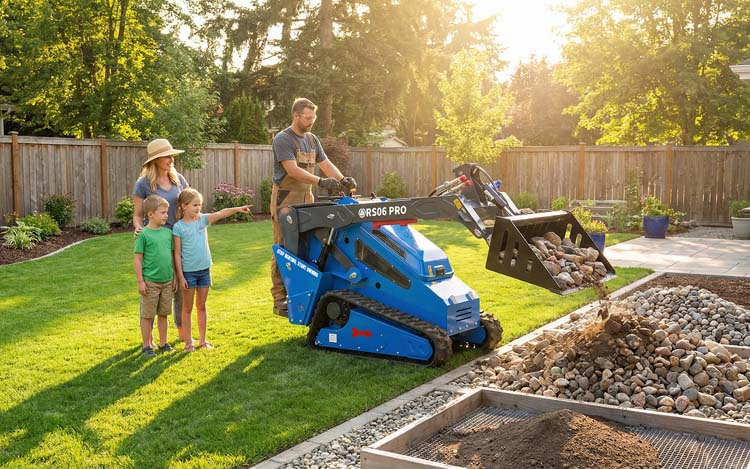
3. Compare Product Range and Configuration Options
A manufacturer’s product range should match the needs of the buyer’s target market.
Dealers may prefer suppliers that offer a focused range of machines and clearly documented configurations. Importers serving several customer groups may need additional product options.
When comparing skid steer loader manufacturers, examine the available machine types, attachment options, operating specifications, and relevant documentation.
Confirm whether accessories are included in the quoted price or supplied separately. Also check whether the configuration being offered is the same one described in the product materials.
RIPPA is one brand that businesses can research when comparing compact construction machinery suppliers. As with other manufacturers, buyers should assess individual models and verify the terms, documentation, and support arrangements relevant to their intended purchase.
4. Evaluate the Total Purchasing and Delivery Cost
A machine’s quoted price should be assessed alongside the other expenses involved in acquiring and delivering the equipment.
For domestic purchases, costs may include transportation, handling, preparation, storage, and financing. For imported machines, the calculation may also include international freight, customs duties, port charges, and inland delivery.
Ask suppliers to clarify the following:
Exact machine configuration and included accessories.
Order quantity and payment terms.
Production lead time, where applicable.
Shipping terms and transportation responsibilities.
Product documentation and any excluded services.
Procedures for reporting shipment or product issues.
Importers should verify the relevant requirements and charges for their specific shipment rather than relying on generic cost estimates.
Comparing complete quotations helps businesses identify differences that may not be visible in the initial price.
5. Assess Parts Availability and After-Sales Processes
Parts support can be important for businesses selling machines to customers who depend on their equipment for regular work.
Before selecting a manufacturer, establish how replacement parts are identified and ordered, how technical questions are submitted, and which support arrangements apply to the product.
Ask whether parts are available from domestic stock, an overseas warehouse, or the manufacturer. Confirm actual availability and delivery arrangements for the relevant market.
Dealers should also clarify how customer concerns are communicated to the manufacturer and which responsibilities remain with the dealer.
A well-defined process can help businesses prepare for customer inquiries and reduce confusion after equipment has been delivered.
6. Review Supplier Terms for Dealer and Distributor Cooperation
Businesses interested in becoming dealers or distributors should evaluate the commercial relationship separately from the product itself.
Before signing an agreement, discuss minimum order quantities, pricing arrangements, territory terms if offered, marketing resources, product training, parts supply, and the process for handling customer issues.
The availability of exclusive territories, marketing assistance, or other dealer benefits should be confirmed in writing rather than assumed.
It is also useful to establish how the relationship will be reviewed as sales develop. Clear expectations can make it easier for both parties to assess performance and plan future orders.
7. Use a Manufacturer Evaluation Scorecard
A scorecard helps procurement teams compare several suppliers using the same criteria.
| Criterion | What to evaluate |
|---|---|
| Product fit | Match between the machine and intended applications |
| Quality processes | Inspection procedures and available records |
| Documentation | Product manuals and applicable compliance information |
| Total cost | Purchase price, delivery, import costs, and other expenses |
| Parts support | Availability, ordering process, and technical communication |
| Commercial terms | Order quantities, payment terms, and supply arrangements |
| Communication | Clarity and consistency of supplier responses |
Businesses can assign weights based on their priorities. For example, a distributor planning recurring imports may place greater emphasis on shipping coordination and parts supply than a buyer purchasing a single machine.
Frequently Asked Questions
How do I find reliable skid steer loader manufacturers?
Research manufacturers, compare their products, request written quotations, and review available quality documentation. Confirm delivery arrangements, parts support, and commercial terms before committing to a purchase.
Should I choose a manufacturer based only on price?
No. The quoted price is only one factor. Product suitability, documentation, delivery costs, quality procedures, and support arrangements can all affect the overall value of a purchase.
What should distributors ask a skid steer loader manufacturer?
Distributors should ask about product availability, order requirements, pricing, shipping, parts supply, marketing support, and the terms of any proposed dealer agreement.
How can I compare manufacturers fairly?
Request quotations for comparable configurations and quantities. Evaluate the same categories across suppliers and document any differences in included equipment, shipping terms, support, and excluded costs.
Conclusion
Selecting a skid steer loader manufacturer is a procurement decision that should balance product suitability, quality processes, total purchasing cost, and the supplier’s ability to support the intended business relationship.
By comparing manufacturers systematically and confirming important details in writing, US buyers can make better-informed decisions and establish clearer expectations for future equipment purchases.