How to Compare Mini Excavator Manufacturers for the US Market
What Makes a Good Mini Excavator Manufacturer?
Choosing a mini excavator manufacturer is an important decision for equipment dealers, construction businesses, agricultural suppliers, and machinery importers. A suitable supplier should offer equipment that fits the intended applications while providing clear purchasing terms, reliable communication, and a practical process for handling product and parts questions.
For buyers in the United States, the evaluation should go beyond the quoted machine price. Product suitability, manufacturing consistency, shipping arrangements, documentation, and long-term supply potential all influence the value of a purchasing decision.
The goal is to find a manufacturing partner that fits the buyer’s business model rather than simply choosing the lowest initial quotation.
1. Review the Manufacturer’s Production and Quality Processes
A manufacturer's production capabilities ca
n affect its ability to fulfill orders consistently. Buyers should ask how components are inspected, how machines are assembled, and what checks take place before shipment.
Useful questions include:
What quality inspection procedures are used during production?
How are finished machines checked before delivery?
What product records and inspection documentation can be provided?
How does the manufacturer handle reported quality issues?
Can it explain the expected production schedule for a specific order?
Where possible, request current factory photographs, inspection records, and product documentation. These materials can help buyers evaluate the supplier more effectively than general statements about quality.
Dealers planning repeat purchases should also discuss how product consistency is maintained between orders.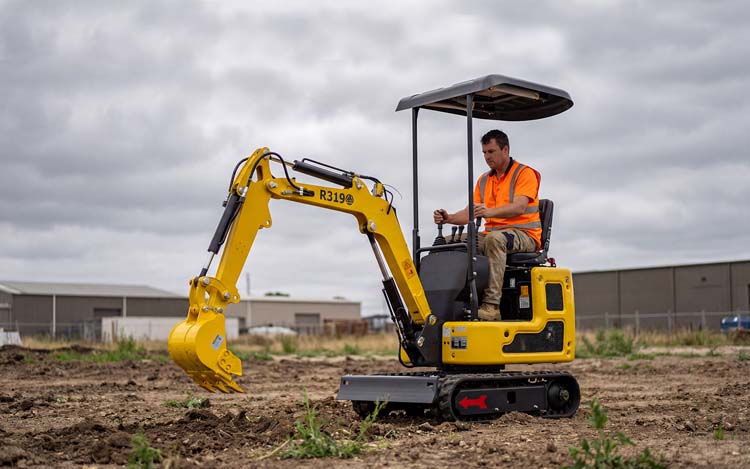
2. Match the Product Range to Customer Demand
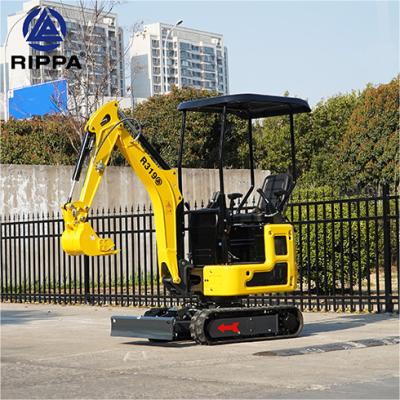
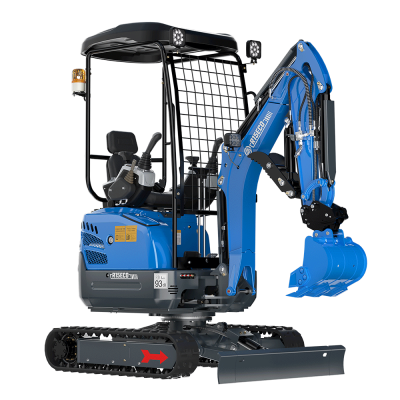
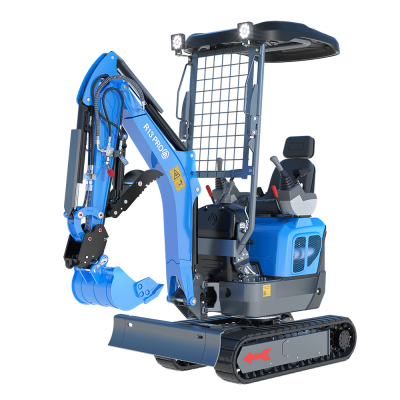
Mini excavators are used in landscaping, agricultural work, residential construction, drainage projects, utility work, and other applications where compact equipment may be useful.
However, not every machine is suitable for every job. Buyers should compare operating dimensions, working capabilities, available configurations, transport requirements, and compatibility with intended attachments.
A dealer serving landscaping contractors may have different priorities from an agricultural equipment supplier. Understanding the target customer first makes it easier to select suitable products and avoid holding inventory that does not match local demand.
A supplier with a relevant product range may also help a dealership serve more than one customer segment. Buyers should confirm the available models and configurations directly with the manufacturer.
3. Evaluate the Total Cost of Importing Equipment
The purchase price is only one part of the total cost of acquiring machinery from an overseas manufacturer.
For US buyers, the landed cost may include international freight, customs-related charges, applicable duties, port handling, inland transportation, storage, and other costs associated with bringing the equipment to its destination.
Before placing an order, request a written quotation that explains:
The exact machine and included equipment.
Order quantity and payment terms.
Production lead time and estimated shipping schedule.
Shipping terms and responsibility for transportation costs.
Available product documentation.
Any costs that are excluded from the quotation.
Importers should also verify current US import requirements and applicable equipment compliance obligations for the specific product. These requirements should not be assumed to be identical for every machine.
Comparing suppliers on a consistent cost basis makes purchasing decisions more transparent.
4. Check Parts Availability and Technical Support
Parts and technical support can affect a dealer’s ability to maintain customer confidence after a machine is delivered.
Before selecting a mini excavator supplier, ask how replacement parts are identified and ordered, how technical questions are handled, and what information is needed when reporting a problem.
Buyers should also determine whether relevant parts are available locally, through an overseas warehouse, or directly from the supplier. Availability and delivery times should be confirmed for the actual destination and products being purchased.
A clear support process can help dealers plan parts inventory, communicate realistic expectations to customers, and respond to service questions more efficiently.
5. Assess the Manufacturer’s Suitability for Long-Term Cooperation
A one-time purchase and an ongoing dealership relationship have different requirements.
For repeat orders, businesses should evaluate production planning, communication quality, order documentation, pricing arrangements, and the supplier’s ability to support expected demand.
It is useful to discuss minimum order quantities, potential repeat-order schedules, marketing resources, product information, and procedures for resolving commercial issues before beginning a partnership.
RIPPA is one brand buyers can include in their research when comparing suppliers of mini excavators and other compact construction equipment. As with any manufacturer, prospective buyers should assess the specific products, documentation, commercial terms, and support arrangements relevant to their market.
6. Use a Structured Supplier Comparison
A supplier comparison sheet helps prevent purchasing decisions from being driven by price alone.
Consider scoring potential manufacturers across these categories:
Product suitability for the intended applications.
Quality inspection and documentation.
Total landed cost.
Production and shipping communication.
Parts availability and support arrangements.
Commercial terms and repeat-order flexibility.
The importance of each category will vary by business. An importer purchasing multiple machines may place greater emphasis on order planning and shipping costs, while a smaller dealer may focus on product selection and parts access.
Frequently Asked Questions
How do I find a mini excavator manufacturer for the US market?
Research manufacturers, compare their product ranges, request written quotations, and verify product documentation and import requirements. Evaluate quality procedures, shipping arrangements, and parts support before committing to an order.
Is buying directly from a manufacturer suitable for equipment dealers?
Direct purchasing may help dealers discuss product selection, order quantities, and supply arrangements with the company producing the equipment. The suitability depends on the manufacturer's terms and the dealer's purchasing volume.
What should an importer include in a mini excavator quotation request?
Include the intended application, requested configuration, order quantity, destination, preferred shipping arrangements, and any documentation requirements. Ask the supplier to identify costs and responsibilities clearly.
Why should dealers consider parts support before purchasing?
Parts availability and technical communication can influence how quickly a dealer responds to customer needs. Confirm the relevant support process before selling equipment to end users.
Conclusion
Choosing a mini excavator manufacturer requires a balanced assessment of product suitability, production quality, landed cost, documentation, and ongoing support.
US buyers who compare suppliers systematically can make more informed purchasing decisions and establish clearer expectations for future orders. A detailed quotation and a direct discussion with the manufacturer are practical starting points for evaluating a potential supply relationship.