Construction Equipment Wholesale: How Importers Build a Reliable Supply Pipeline
Construction equipment wholesale is not just about purchasing machines at a competitive price. For importers, distributors, and equipment dealers, a reliable wholesale supply pipeline requires consistent product sourcing, clear supplier communication, realistic purchasing plans, and well-organized international delivery arrangements.
A supplier may offer attractive prices, but long-term wholesale cooperation depends on much more than the initial quotation. Buyers need to understand how equipment is sourced, how orders are coordinated, how different machinery categories fit their local markets, and how future purchasing requirements can be managed.
For businesses planning to expand their construction equipment distribution, building a reliable supply pipeline can make purchasing more predictable and help maintain stronger customer relationships.
1. Understand the Structure of the Construction Equipment Wholesale Market
The construction equipment wholesale market connects manufacturers, exporters, importers, regional distributors, and end users.
Each participant has a different role in the supply chain.
Manufacturers: Produce machinery and provide product information, configurations, and manufacturing-related documentation.
Export suppliers: Coordinate international orders, commercial communication, and export arrangements.
Importers: Purchase equipment for distribution or resale in their destination markets.
Dealers and distributors: Develop local customer relationships and provide access to equipment in specific regions.
End users: Purchase machinery for construction, agriculture, landscaping, material handling, and other applications.
Understanding these roles helps wholesale buyers decide which type of supplier best matches their business model.
For example, a regional equipment dealer may prefer working directly with a manufacturer that offers several machinery categories. This can simplify product sourcing and make it easier to coordinate future orders.
2. Build a Purchasing Plan Around Local Market Demand
A wholesale purchasing plan should begin with the customers in the destination market rather than the supplier's available catalog.
Different regions have different equipment requirements. Construction contractors may prioritize excavators and loaders, while agricultural businesses may need compact machinery for farm maintenance and material handling.
Before placing a wholesale order, distributors should consider:
The main industries served in their sales territory
The machinery categories customers request most frequently
Seasonal purchasing patterns
Typical project requirements
The availability of competing equipment brands
Expected demand from existing and potential customers
This information helps distributors select a more suitable product range.
Instead of purchasing a large number of unrelated machines, buyers can organize their purchasing plans around several clearly defined customer groups.
A construction equipment dealer, for instance, may develop separate product offerings for small contractors, landscaping businesses, agricultural customers, and general construction companies.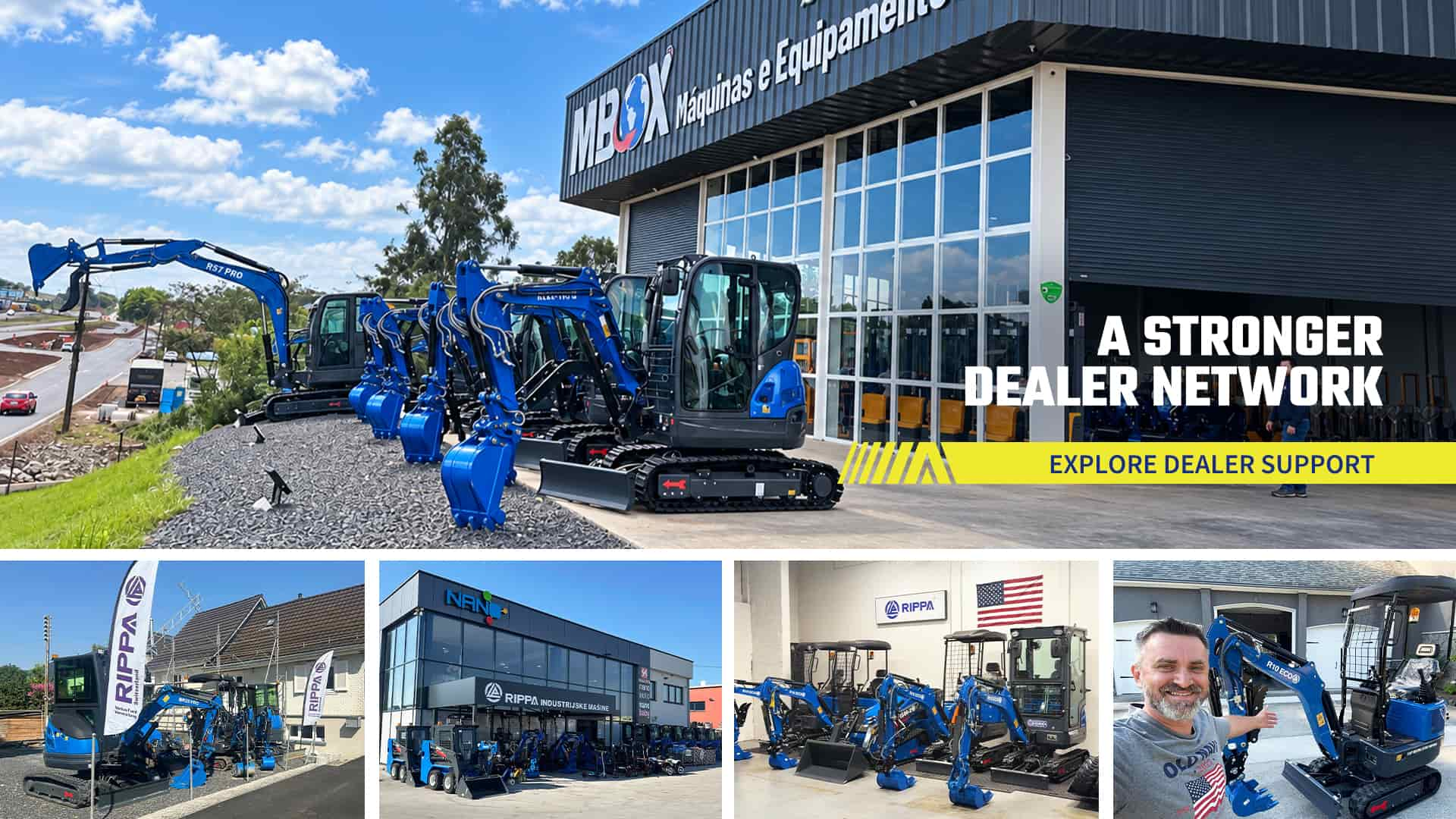
3. Work With Suppliers That Support Multiple Equipment Categories
Product range is an important consideration when selecting a wholesale construction equipment supplier.
A dealer that sources every machinery category from a different company may need to manage multiple communication channels, quotation formats, purchasing schedules, and shipping arrangements.
Working with a supplier that offers several relevant equipment categories may simplify this process.
Depending on local market demand, a wholesale equipment portfolio may include:
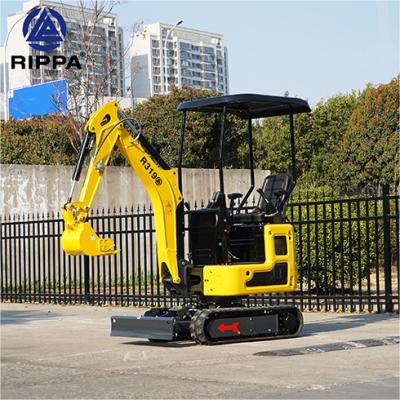
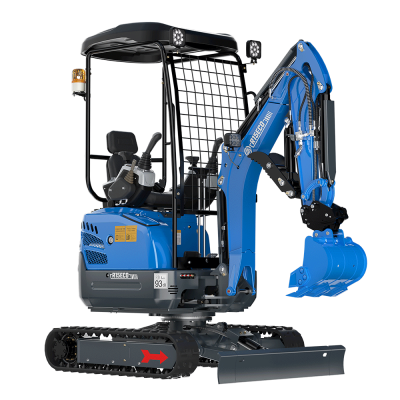
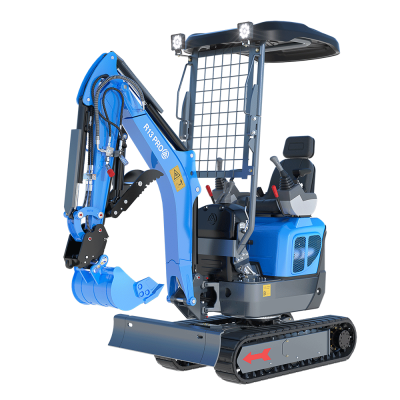
Mini excavators for compact construction and landscaping applications
Larger excavators for earthmoving and construction projects
Skid steer loaders for material handling and site preparation
Wheel loaders for loading and transporting bulk materials
Backhoe loaders for combined digging and loading operations
Forklifts for warehouse and industrial material handling
The objective is not to purchase every category available. It is to identify a product range that serves the dealer's actual customers.
Before adding a new category, distributors should evaluate its target market, customer requirements, product documentation, and commercial terms.
4. Establish a Clear Wholesale Order Planning Process
Reliable wholesale cooperation requires both parties to understand how orders will be planned and coordinated.
Importers should communicate their purchasing requirements clearly and provide enough information for suppliers to prepare relevant quotations.
A wholesale order plan can include:
| Planning Item | Information to Prepare |
|---|---|
| Target market | Destination country or sales territory |
| Equipment category | Excavators, loaders, forklifts, or other machinery |
| Product requirements | Intended application and required configuration |
| Order quantity | Estimated purchasing quantity |
| Purchasing schedule | Expected order timing |
| Delivery destination | Port, warehouse, or agreed delivery location |
| Documentation | Required commercial and shipping documents |
For distributors with recurring purchasing requirements, maintaining a rolling purchasing forecast can improve communication with suppliers.
For example, dealers can review their sales pipeline and stock position regularly before discussing the next order. This helps avoid making purchasing decisions based only on short-term demand.
Order quantities should reflect realistic market demand, available working capital, storage capacity, and the supplier's confirmed commercial conditions.
5. Coordinate International Shipping Before Confirming an Order
International machinery purchases involve more than factory production and payment.
Importers should clarify the shipping arrangement before confirming an order.
Important questions include:
Which party is responsible for export preparation?
Which delivery term is stated in the quotation?
Who arranges international transportation?
Which documents will be provided?
What is the agreed shipment destination?
Who handles import customs clearance?
Are additional transportation arrangements required after arrival?
The applicable Incoterms rule and named place should be clearly stated in the commercial agreement.
Buyers should also check destination-country import requirements before shipment. Customs procedures, machinery documentation, safety requirements, and other regulatory obligations may differ between markets.
A clear division of responsibilities can reduce misunderstandings between suppliers, importers, freight forwarders, and customs brokers.
6. Develop Long-Term Relationships With Construction Equipment Suppliers
Wholesale purchasing should be viewed as an ongoing business relationship rather than a series of unrelated transactions.
For distributors, a supplier's ability to communicate consistently and handle different order requirements can be just as important as the initial purchase price.
Long-term cooperation should focus on several areas:
Product communication
Suppliers should provide clear information about available machinery, configurations, product changes, and order details.
Order coordination
Both parties should agree on purchasing schedules, payment arrangements, production updates where applicable, and shipping responsibilities.
Documentation management
Commercial documents, product information, and shipping records should be organized and checked before dispatch.
Parts and service communication
Distributors should understand the available spare-parts channels, technical documentation, and procedures for reporting product issues.
Market development
Suppliers and distributors can exchange information about customer requirements, regional market opportunities, and suitable equipment categories.
These practices help establish a more structured wholesale relationship and support future purchasing decisions.
7. How to Evaluate Whether a Wholesale Supply Pipeline Is Working
A reliable supply pipeline should be evaluated through business performance rather than purchase price alone.
Wholesale buyers can review several indicators:
| Evaluation Area | What Dealers Should Monitor |
|---|---|
| Product availability | Whether required product categories can be sourced |
| Order accuracy | Whether delivered products match confirmed orders |
| Delivery coordination | Whether shipment arrangements follow agreed plans |
| Documentation | Whether required documents are complete and consistent |
| Customer demand | Whether selected products match local market needs |
| Supplier communication | Whether inquiries and order updates are handled clearly |
| Parts support | Whether parts inquiries and product issues have defined procedures |
Regular reviews help importers identify problems before they affect customer relationships.
If certain equipment categories consistently generate inquiries but are difficult to source, distributors can discuss future purchasing plans with their suppliers.
Similarly, if a product category attracts limited demand, dealers can reconsider their purchasing strategy rather than continuing to allocate unnecessary inventory.
8. Why a Structured Wholesale Supply Strategy Matters
Construction equipment wholesale requires coordination across product sourcing, commercial negotiations, transportation, documentation, and local distribution.
A structured supply strategy allows importers and dealers to make decisions based on market demand and operational requirements instead of relying entirely on short-term price differences.
For growing distributors, the most useful supplier is not necessarily the one offering the lowest initial quotation. It is the supplier whose product range, communication, order coordination, and commercial arrangements align with the distributor's business objectives.
By developing a clear purchasing plan and maintaining consistent supplier communication, equipment dealers can create a more sustainable foundation for wholesale operations.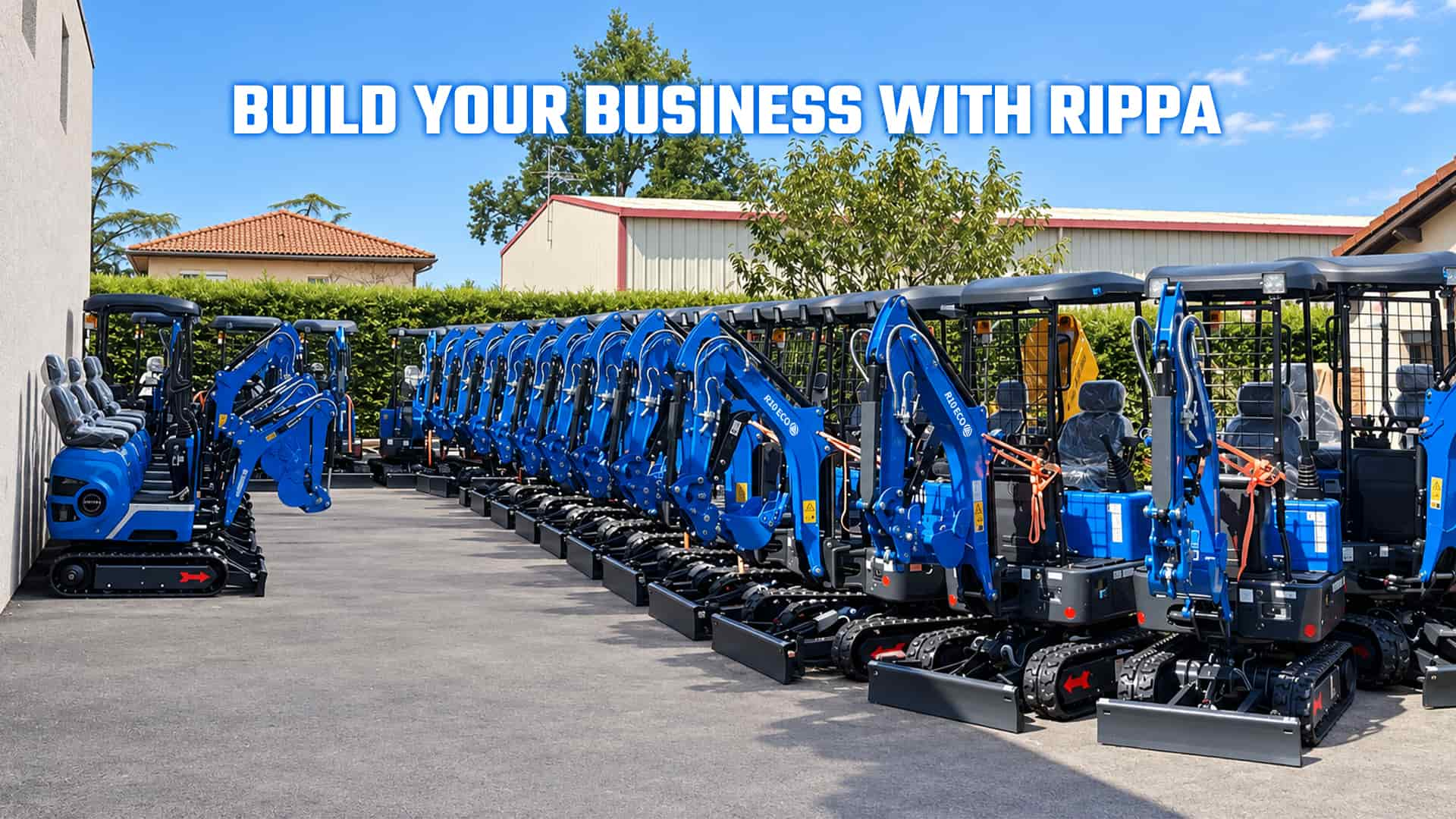
Frequently Asked Questions
What is construction equipment wholesale?
Construction equipment wholesale refers to the business of purchasing machinery in commercial quantities from manufacturers or suppliers for resale, distribution, or business use.
How can importers build a reliable construction equipment supply pipeline?
Importers should identify market demand, select suitable equipment categories, verify suppliers, establish clear purchasing schedules, and coordinate shipping and documentation before confirming orders.
Which equipment categories can construction equipment wholesalers supply?
Depending on the supplier's product range, wholesale categories may include excavators, mini excavators, skid steer loaders, wheel loaders, backhoe loaders, and forklifts.
Should equipment distributors work with one supplier or multiple suppliers?
The decision depends on product availability, supplier capabilities, purchasing requirements, and commercial terms. Working with one supplier for several relevant categories may simplify coordination, while multiple suppliers may provide access to more specialized products.
What should distributors consider before expanding their equipment range?
Distributors should review local customer demand, target industries, competing products, purchasing costs, storage capacity, documentation requirements, and the supplier's ability to support the selected category.
Discuss Wholesale Construction Equipment Supply With RIPPA
RIPPA works with international construction equipment buyers and distributors looking to develop their machinery supply channels.
Our product range covers excavators, mini excavators, skid steer loaders, wheel loaders, backhoe loaders, and other construction equipment.
If your business is planning to expand its equipment distribution or source machinery for wholesale purchasing, contact RIPPA with your target market, preferred equipment categories, and estimated purchasing requirements.
Our team can discuss relevant product options and commercial arrangements based on your business needs.