Construction Equipment Dealer Product Mix: How to Match Excavators, Loaders, and Forklifts to Local Demand
A successful construction equipment dealer needs more than a collection of machines to sell. The right product mix should reflect local customer demand, common industry applications, purchasing behavior, and the types of equipment businesses need throughout their operations.
For equipment distributors and importers, offering excavators, loaders, and forklifts can create opportunities to serve different customer groups. However, expanding a product range without understanding the local market can lead to unnecessary inventory costs and missed sales opportunities.
The key is to build a product portfolio around customer requirements rather than simply adding more equipment categories.
This guide explains how construction equipment dealers can plan their product mix, identify potential customer groups, and select machinery categories that support long-term distribution growth.
1. Start With the Industries in Your Local Market
Before expanding an equipment product range, dealers should understand which industries generate demand in their sales territories.
Different industries require different types of machinery.
Construction companies
General contractors, building companies, and infrastructure businesses may require excavators, wheel loaders, skid steer loaders, and other construction equipment.
Agricultural businesses
Farms and agricultural operators may need compact excavators, wheel loaders, and equipment for moving materials and maintaining working areas.
Landscaping companies
Landscaping contractors often work in residential areas, gardens, commercial properties, and outdoor development projects. Compact machinery can be relevant to their operations.
Warehousing and logistics businesses
Warehouses, distribution centers, and industrial facilities may require forklifts and other material handling equipment.
Mining and material processing businesses
Depending on the scale and working conditions, these companies may need larger excavators and loaders for material handling and site operations.
A dealer should identify which industries are most active in its region before deciding which equipment categories deserve greater purchasing attention.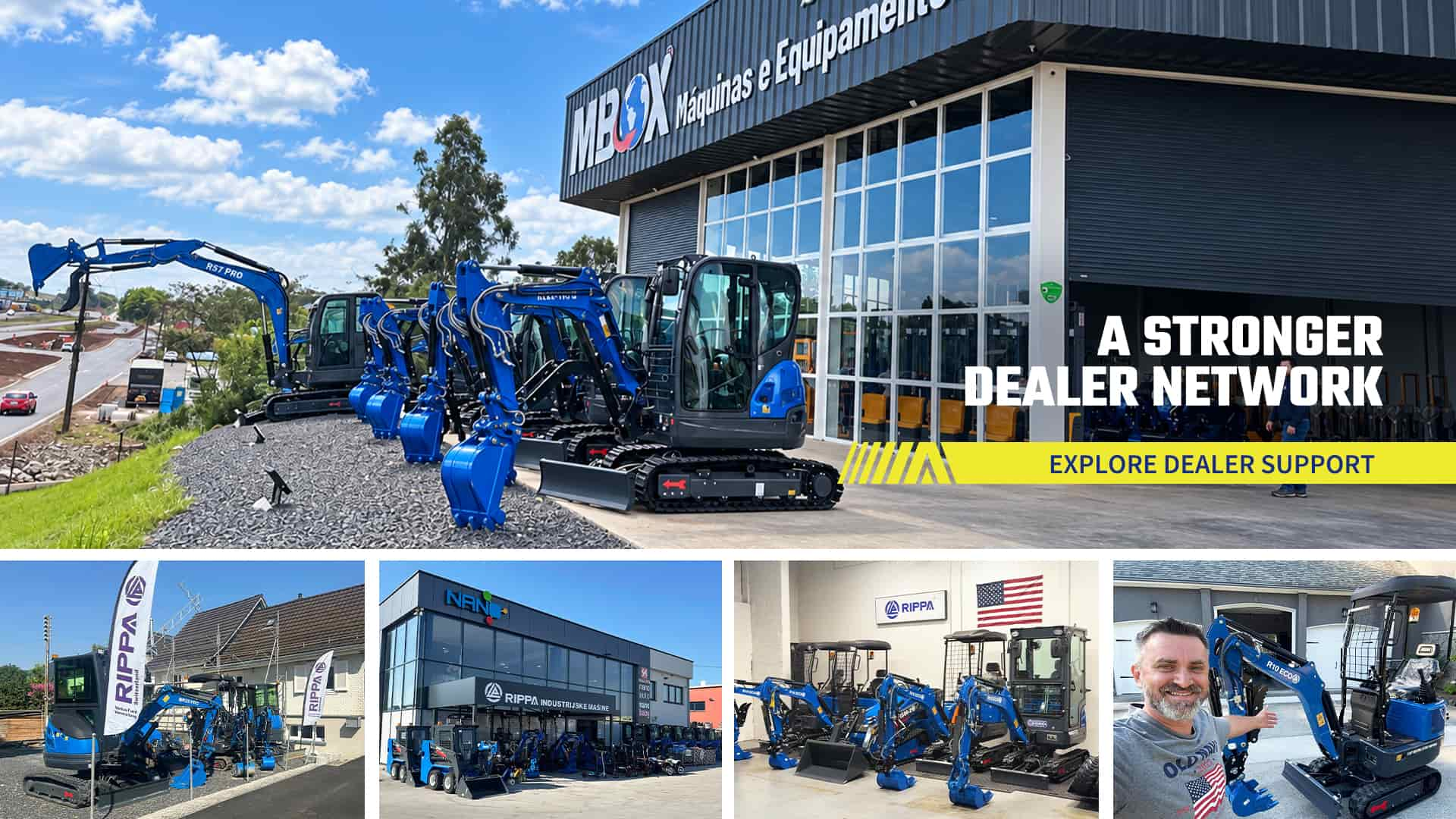
2. Build a Product Portfolio Around Customer Applications
A useful product portfolio connects machinery categories with real customer requirements.
Instead of organizing the product range only by machine type, dealers can also consider the work customers need to complete.
| Customer Application | Relevant Equipment Categories |
|---|---|
| Earthmoving and excavation | Mini excavators and larger excavators |
| Landscaping and property development | Mini excavators and skid steer loaders |
| Construction material loading | Wheel loaders and skid steer loaders |
| Agricultural material handling | Wheel loaders and compact equipment |
| Warehouse operations | Forklifts |
| General construction site preparation | Excavators and loaders |
| Combined digging and loading operations | Backhoe loaders |
This application-based approach helps dealers explain product value more clearly.
For example, a landscaping contractor may initially contact a dealer looking for a mini excavator. After understanding the customer's full range of projects, the dealer may also identify a need for a skid steer loader.
This creates an opportunity to serve more of the customer's equipment requirements through a broader product portfolio.
3. Understand the Role of Different Equipment Categories
Each equipment category serves different applications. Dealers should understand these differences before adding products to their catalogs.
Mini and Larger Excavators
<AsyncImage query="mini excavator and large construction excavator working on construction sites" aspectRatio="16:9" width="100%"/>
Excavators are used for digging, earthmoving, trenching, site preparation, and various construction activities.
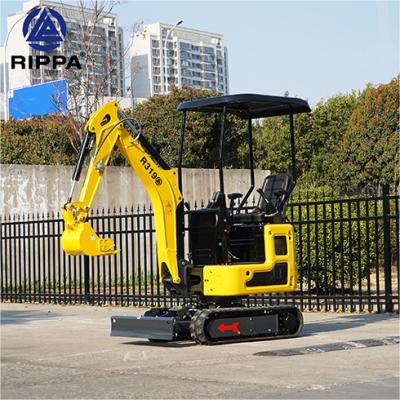
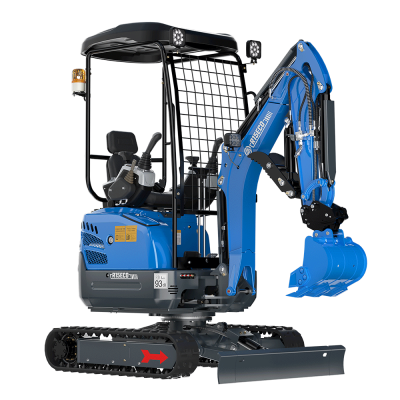
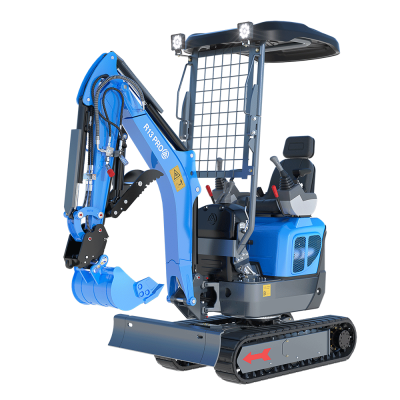
Mini excavators are particularly relevant to contractors working in confined spaces, landscaping projects, residential construction, and smaller job sites.
Larger excavators are more commonly associated with substantial earthmoving operations, infrastructure projects, and larger construction sites.
For dealers, offering different excavator categories can help reach customers with different project requirements.
Skid Steer Loaders
<AsyncImage query="skid steer loader working at construction landscaping site" aspectRatio="16:9" width="100%"/>
Skid steer loaders are commonly used for material handling, site preparation, landscaping, and general construction support.
Their versatility and compatibility with suitable attachments make them relevant to contractors who need one machine for different tasks.
Dealers should understand the attachments available for the machines they offer and identify which applications are most common in their local markets.
Wheel Loaders
<AsyncImage query="wheel loader loading sand gravel construction material stockpile" aspectRatio="16:9" width="100%"/>
Wheel loaders are widely used for loading and moving bulk materials.
Typical applications include handling sand, gravel, soil, agricultural materials, and construction aggregates.
They may be relevant to construction companies, agricultural businesses, material yards, and industrial operators.
Forklifts
<AsyncImage query="forklift operating in industrial warehouse material handling" aspectRatio="16:9" width="100%"/>
Forklifts serve a different market from traditional earthmoving equipment.
They are commonly used in warehouses, distribution centers, factories, logistics facilities, and industrial storage operations.
For dealers already serving construction and industrial customers, forklifts can create opportunities to reach businesses with material handling requirements.
Backhoe Loaders
<AsyncImage query="backhoe loader working at road construction site" aspectRatio="16:9" width="100%"/>
Backhoe loaders combine digging and loading functions in one machine.
They may be suitable for contractors who perform different types of work on the same project and need equipment for both excavation and material handling.
Their potential market should be evaluated according to local construction practices and customer preferences.
4. Identify Opportunities for Cross-Selling Between Equipment Categories
Cross-selling allows dealers to introduce additional relevant products to existing customers.
However, effective cross-selling should begin with understanding the customer's actual work rather than simply promoting more machines.
Consider the following examples:
Excavator customers
A contractor purchasing an excavator may also need a loader for moving materials around the site.
Skid steer loader customers
A landscaping company using a skid steer loader may have additional excavation requirements that make a mini excavator relevant.
Wheel loader customers
An agricultural or material handling business using a wheel loader may also need a forklift for warehouse operations.
Forklift customers
An industrial company may also operate outdoor yards or construction-related facilities where loaders are useful.
Dealers can use customer conversations, project requirements, and purchasing history to identify these opportunities.
The objective is to offer complementary machinery that solves additional operational problems.
5. How to Decide Which Equipment Categories to Add First
Expanding a product portfolio requires purchasing decisions that reflect business priorities.
Not every equipment category should be introduced at the same time.
Dealers can evaluate potential categories through several factors.
Existing customer inquiries
Review which machinery categories customers request most frequently.
Local industry activity
Identify the industries and projects generating demand in the sales territory.
Competition
Understand which brands and equipment categories are already well represented in the local market.
Supplier availability
Evaluate whether suitable manufacturers can provide the required products and commercial information.
Storage and inventory capacity
Consider the space and working capital required to introduce additional equipment categories.
Sales team knowledge
Make sure sales representatives understand the products, their applications, and the differences between equipment categories.
A practical approach is to prioritize categories with clear customer demand and expand gradually as market opportunities develop.
6. Choosing Manufacturers That Support a Broader Dealer Product Range
As dealers expand their product portfolios, supplier selection becomes increasingly important.
Working with several unrelated manufacturers may increase administrative work, quotation coordination, and communication requirements.
A manufacturer or manufacturing group offering multiple relevant equipment categories may provide an alternative sourcing structure.
When evaluating suppliers, dealers should consider:
Available machinery categories
Product documentation and configuration information
Manufacturing and quality management processes
Export experience
Spare parts purchasing channels
Technical communication procedures
Commercial terms for distributors
The ability to coordinate repeat orders
A broad product range can be useful, but dealers should verify the availability and suitability of each specific product rather than assuming every supplier can provide every machine category.
7. Create a Product Mix That Matches Your Sales Territory
There is no single product mix that works for every construction equipment dealer.
A dealer serving agricultural communities may prioritize different machinery from one operating near major urban construction projects.
The following examples illustrate how market conditions can influence product planning.
| Dealer Market | Potential Product Focus |
|---|---|
| Agricultural regions | Mini excavators, wheel loaders, and selected material handling equipment |
| Urban construction markets | Mini excavators, skid steer loaders, and compact equipment |
| Large construction markets | Larger excavators, wheel loaders, and supporting machinery |
| Industrial and logistics areas | Forklifts and selected loaders |
| Landscaping markets | Mini excavators and skid steer loaders |
| Mixed commercial markets | A combination of excavators, loaders, and forklifts |
These are planning examples rather than fixed recommendations. Actual purchasing decisions should be based on local inquiries, customer requirements, and verified sales opportunities.
8. A Practical Checklist for Construction Equipment Dealers
Before expanding a machinery product range, dealers can review the following questions:
| Planning Area | Questions to Consider |
|---|---|
| Customer base | Which industries generate most of your inquiries? |
| Product demand | Which equipment categories are requested most often? |
| Market coverage | Are there customer groups not currently served? |
| Cross-selling | Which additional machines complement existing products? |
| Supplier selection | Can your suppliers support the intended categories? |
| Inventory | What purchasing and storage capacity is available? |
| Sales knowledge | Can your team explain the different applications? |
| Parts support | Are suitable parts channels available? |
| Business planning | How will you evaluate the performance of each category? |
Reviewing these questions helps dealers develop a more focused product strategy and avoid expanding their inventory without a clear commercial purpose.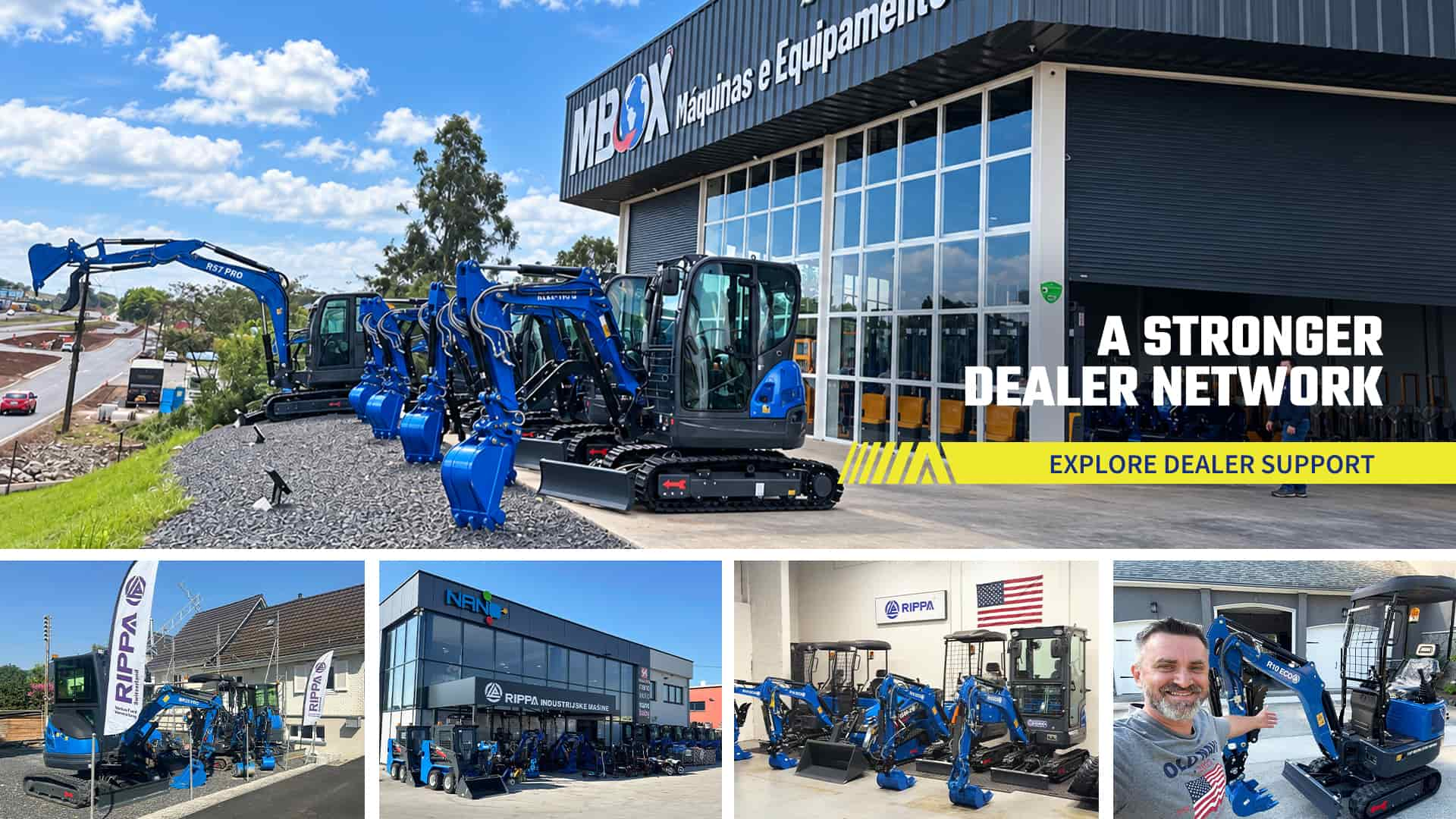
Frequently Asked Questions
What equipment should a construction equipment dealer sell?
The appropriate product range depends on local customer demand and the industries served. Common categories include excavators, mini excavators, skid steer loaders, wheel loaders, backhoe loaders, and forklifts.
How can equipment dealers expand their product range?
Dealers should review customer inquiries, identify underserved industries, evaluate complementary machinery categories, and work with suitable manufacturers or suppliers.
Why should equipment dealers offer multiple machinery categories?
Offering several relevant categories can help dealers serve different customer applications, develop cross-selling opportunities, and build broader relationships with construction, agricultural, and industrial businesses.
What is cross-selling in construction equipment distribution?
Cross-selling means introducing additional relevant equipment to existing customers based on their operational requirements. For example, a customer purchasing an excavator may also need a loader for material handling.
How do I choose an equipment manufacturer for my dealership?
Evaluate the manufacturer's product range, manufacturing capabilities, quality management, export experience, product documentation, spare parts channels, and commercial cooperation arrangements.
Should small equipment dealers sell forklifts as well as excavators?
It depends on their customer base and local market. Dealers serving warehouses, factories, and logistics businesses may find forklifts relevant, while others may prefer to focus on construction or agricultural machinery.
Expand Your Construction Equipment Product Range With RIPPA
RIPPA is a construction machinery manufacturer based in Jining, Shandong, China, serving international equipment buyers and distributors.
Our product range includes mini excavators, larger excavators, skid steer loaders, wheel loaders, backhoe loaders, and forklifts.
For equipment dealers planning to expand their machinery portfolios, RIPPA provides an opportunity to explore multiple equipment categories through one manufacturing group.
If you are an importer, wholesaler, or construction equipment distributor, contact RIPPA to discuss your target market, preferred machinery categories, and potential business cooperation.