Wheel Loader Applications in Agriculture and Material Handling
Wheel loader applications in agriculture and material handling cover a wide range of daily operations, including moving feed, handling bulk materials, loading agricultural products, and maintaining working areas. For farms, agricultural businesses, and material handling companies, wheel loaders can help organize repetitive loading and transportation tasks.
However, choosing the right wheel loader requires understanding the actual work environment, materials being handled, operating space, and frequency of use.
For equipment dealers and business buyers, understanding these applications is also important when selecting machinery for customers in agricultural and industrial markets.
This guide explains how wheel loaders are used in agriculture and material handling, what buyers should consider when selecting equipment, and how different applications influence purchasing decisions.
1. Wheel Loader Applications on Farms
Agricultural operations involve many activities that require moving and loading materials. A wheel loader can support these tasks by transporting materials between storage areas, processing locations, and working zones.
Common farm applications include:
Feed handling
Agricultural businesses may need to move bulk feed, grain, and other materials between storage facilities and feeding areas. Wheel loaders can assist with loading and transferring these materials.
Manure and compost handling
Farm operators often need to collect, move, and organize manure and compost. Suitable wheel loader attachments can help handle these materials as part of regular farm maintenance.
Agricultural product loading
Depending on the material and working conditions, wheel loaders can assist with moving harvested products, agricultural supplies, and other bulk goods.
Farmyard maintenance
Wheel loaders can also support general farmyard maintenance by moving soil, gravel, and other materials used for maintaining access areas and working surfaces.
The appropriate equipment and attachment depend on the material being handled and the operating environment.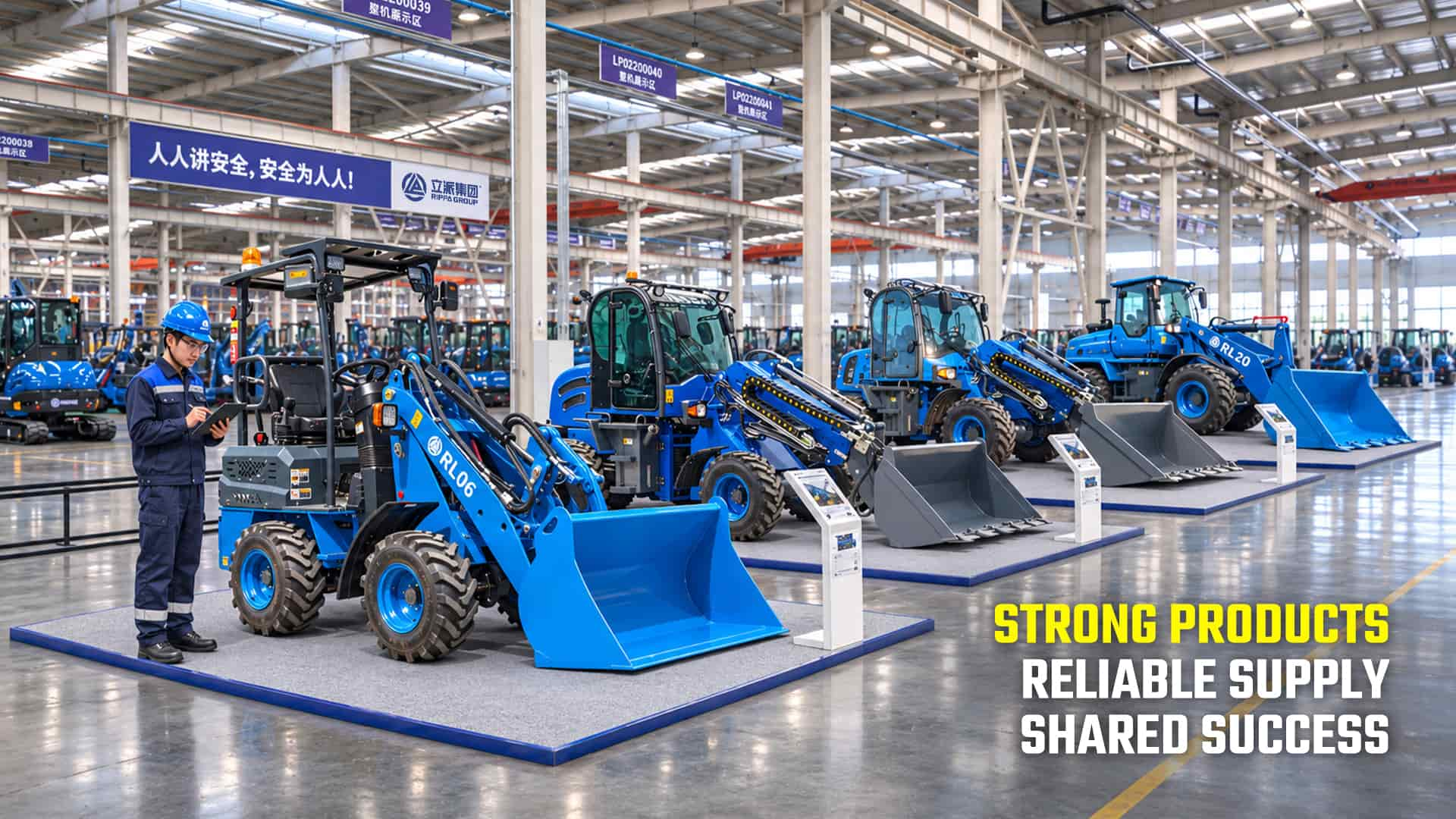
2. Wheel Loaders for Bulk Material Handling
Bulk material handling is another important application for wheel loaders.
Businesses that regularly move loose or stored materials may use wheel loaders to transfer materials between stockpiles, loading areas, and transportation vehicles.
Typical materials include:
Sand and gravel
Soil and earth
Agricultural feed
Compost and organic materials
Construction aggregates
Other bulk materials
In these applications, the main purchasing considerations include the material's characteristics, loading frequency, working surface, and distance between handling points.
For example, handling lightweight agricultural materials may create different equipment requirements from moving dense construction aggregates.
Buyers should evaluate the intended materials and operating conditions rather than choosing equipment based only on general product descriptions.
3. Wheel Loader Applications in Agricultural Storage Facilities
Agricultural storage facilities often handle large quantities of products and supplies.
Wheel loaders can support material movement in areas such as:
Grain storage operations
Equipment may be used to move certain bulk materials around designated storage and loading areas, depending on facility layout and material-handling procedures.
Feed storage
Feed ingredients and other agricultural supplies may need to be transferred between storage locations and processing areas.
Compost facilities
Wheel loaders can assist with moving and organizing compost materials and preparing areas for further processing.
Agricultural supply yards
Businesses handling fertilizers, soil products, and other agricultural materials may use wheel loaders for routine loading and material movement.
Facility operators should consider access dimensions, indoor ventilation requirements, floor conditions, material characteristics, and safe operating procedures before choosing equipment.
4. Wheel Loaders for Construction Material Handling
Although wheel loaders are widely used in agricultural operations, they also have important applications in construction and industrial environments.
Construction businesses may use wheel loaders for:
Loading sand and gravel into transport vehicles
Moving construction aggregates
Organizing material stockpiles
Clearing and maintaining working areas
Transferring materials around construction sites
The equipment selection process should consider the type of material, loading frequency, site layout, and the requirements of other machinery operating in the same area.
For businesses handling multiple material categories, choosing an appropriate machine and attachment combination can help improve the organization of daily operations.
5. How to Choose a Wheel Loader for Agricultural Work
Choosing a wheel loader for farm operations requires more than comparing product appearance or purchase prices.
Buyers should evaluate several practical factors.
Material type
Determine whether the machine will handle grain, feed, soil, compost, gravel, or other materials. Different materials have different handling characteristics.
Working environment
Consider whether the machine will operate outdoors, inside storage buildings, on uneven farm roads, or within confined work areas.
Operating space
Check access widths, turning space, storage facility entrances, and the areas where loading operations will take place.
Attachment requirements
Identify whether the application requires a standard bucket or another suitable attachment. Confirm compatibility with the specific machine.
Working frequency
A machine used throughout the day may have different purchasing priorities from equipment used for occasional farm maintenance.
Maintenance and parts availability
Understand the manufacturer's maintenance information, spare parts channels, and procedures for requesting technical assistance.
Evaluating these factors helps buyers select machinery based on actual working requirements.
6. Choosing the Right Wheel Loader Attachments
Attachments influence how wheel loaders perform different material-handling tasks.
A standard bucket is commonly used for general loading and material movement. Other attachment options may be suitable for specific applications, depending on machine compatibility and manufacturer recommendations.
Before purchasing attachments, buyers should confirm:
The attachment is compatible with the selected machine.
The intended material is suitable for the attachment.
The attachment's operating requirements are understood.
The supplier can provide relevant product information.
The attachment can be used safely in the intended environment.
Agricultural businesses should avoid assuming that one attachment is suitable for every type of material.
The selection should reflect the material's density, moisture content, handling method, and working conditions.
7. What Should Equipment Dealers Consider When Selling Agricultural Wheel Loaders?
For construction equipment dealers, agricultural customers represent a potential market beyond traditional building and infrastructure projects.
However, successful equipment distribution requires understanding the customer's actual business operations.
Dealers should consider several questions when discussing wheel loader requirements with agricultural customers:
What materials does the customer handle regularly?
How frequently are loading operations performed?
Does the customer work in open yards or enclosed facilities?
What type of ground surface is common at the worksite?
Are additional attachments required?
What maintenance and parts support does the customer expect?
These questions help dealers recommend more relevant equipment options instead of presenting machines without understanding their intended applications.
For distributors expanding their agricultural machinery product range, wheel loaders can also complement other equipment categories such as mini excavators and skid steer loaders.
8. Wheel Loader Purchasing Checklist for Agricultural and Material Handling Businesses
Before purchasing a wheel loader, buyers can use the following checklist to organize their requirements.
| Purchasing Factor | What to Confirm |
|---|---|
| Main application | Farm work, bulk material handling, or construction |
| Material type | Grain, feed, soil, compost, gravel, or aggregates |
| Working environment | Outdoor yard, storage facility, or construction site |
| Operating space | Access routes, turning areas, and loading zones |
| Attachments | Bucket or other compatible equipment |
| Maintenance | Service procedures and maintenance documentation |
| Spare parts | Available ordering and supply channels |
| Product documentation | Product details and applicable documents |
| Commercial terms | Quotation, payment, and delivery responsibilities |
A clear purchasing checklist helps agricultural businesses compare different equipment options and communicate their requirements to suppliers.
Frequently Asked Questions
What are wheel loaders used for in agriculture?
Wheel loaders are used for moving and loading materials such as feed, grain, soil, compost, and other agricultural supplies. They can also support farmyard maintenance and material transfer operations.
Can a wheel loader be used for manure and compost handling?
Yes. Wheel loaders can assist with collecting, moving, and organizing manure and compost when equipped with suitable attachments and operated under appropriate working conditions.
What materials can wheel loaders handle?
Depending on the machine and attachment, wheel loaders may handle sand, gravel, soil, agricultural feed, compost, construction aggregates, and other bulk materials.
How do I choose a wheel loader for farm use?
Consider the materials being handled, working environment, operating space, attachment requirements, frequency of use, maintenance arrangements, and available parts support.
Are wheel loaders suitable for agricultural storage facilities?
They can be suitable for certain storage and material-handling operations. Buyers should evaluate facility access, indoor ventilation, floor conditions, and safe operating procedures before selecting equipment.
What should agricultural equipment dealers ask customers before recommending a wheel loader?
Dealers should understand the customer's materials, working environment, operating frequency, attachment needs, and maintenance expectations before recommending a suitable machine.
Explore Wheel Loader Options With RIPPA
RIPPA supplies construction machinery for international equipment buyers and distributors.
Our product range includes wheel loaders, mini excavators, larger excavators, skid steer loaders, backhoe loaders, and forklifts.
For agricultural businesses and material handling companies evaluating wheel loader options, understanding the intended application is the first step toward selecting suitable equipment.
Contact RIPPA to discuss your equipment requirements, explore available product options, and learn more about wholesale and distributor cooperation.