Electric Forklift Charging Setup for Warehouses: Power, Space, and Shift Planning
Choosing an electric forklift for warehouse operations involves more than selecting the right lifting capacity and machine configuration. Buyers also need to consider where the forklift will be charged, whether the facility has suitable electrical infrastructure, and how charging fits into daily operating schedules.
A well-planned electric forklift charging setup helps warehouse operators organize equipment use and avoid unnecessary interruptions. For equipment importers and dealers, understanding these requirements also makes it easier to recommend suitable machines to customers.
This guide explains the main considerations when planning forklift charging areas and evaluating battery configurations before purchasing.
1. Understand the Electric Forklift Charging Requirements
Electric forklifts rely on rechargeable battery systems rather than conventional fuel refueling. Their charging arrangements depend on the battery type, charger specifications, operating schedule, and facility conditions.
Before purchasing, confirm the following information with the manufacturer:
Battery chemistry and configuration
Battery voltage and capacity
Compatible charger model
Required input voltage and electrical supply
Recommended charging procedure
Expected charging duration under the specified conditions
Battery maintenance requirements, if applicable
These details should come from the official documentation for the exact forklift configuration.
Do not assume that two electric forklifts use the same charger simply because they have similar appearances or lifting capacities. Battery and charger compatibility must be confirmed before installation.
2. Choose a Suitable Warehouse Charging Location
The charging area should be planned as part of the warehouse layout rather than treated as an unused corner of the building.
Consider these factors when selecting a location.
Accessibility
Operators should be able to move the forklift into and out of the charging area without blocking loading zones, pedestrian walkways, or emergency access routes.
Electrical Supply
The charging location should have an electrical supply that matches the charger's requirements. Have a qualified electrician assess the available circuits, outlets, and installation conditions before equipment arrives.
Ventilation and Fire Safety
Battery charging requirements vary according to battery chemistry and equipment design. Follow the manufacturer's instructions and applicable local fire and electrical codes.
Some battery technologies may require additional ventilation or specific safety arrangements. Do not apply one battery charging procedure to every type of electric forklift.
Protection from Workplace Hazards
The charging area should be protected from vehicle impacts, water exposure, excessive dust, and other conditions that may damage electrical equipment.
Clear signs and appropriate access controls can help employees identify the designated charging location.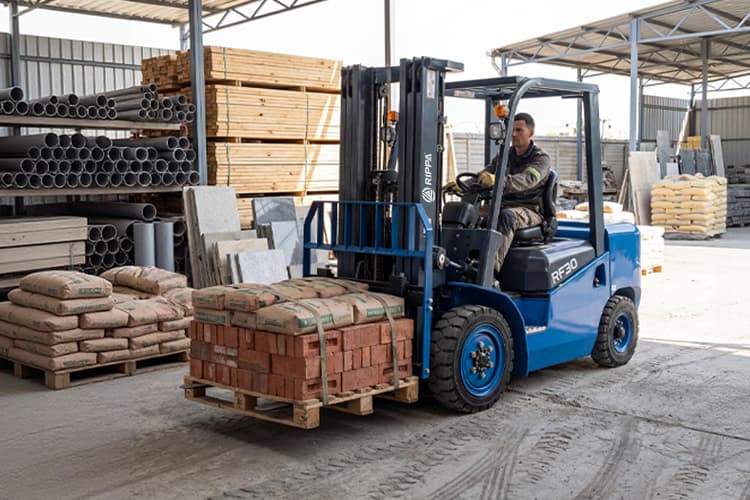
3. Plan Charging Around Warehouse Work Shifts
A forklift charging schedule should match the actual workload of the warehouse.
A facility operating one daytime shift may have different charging needs from a distribution center running multiple shifts throughout the day.
Before selecting a charging arrangement, evaluate:
Daily operating hours
Number of forklifts in use
Average working time per machine
Battery capacity and energy consumption
Available charging windows
Number of chargers required
Availability of backup equipment
For example, a warehouse with a single operating shift may be able to schedule charging outside normal working hours, provided the battery and charger specifications allow it.
A multi-shift facility may need a more detailed plan. Operators should consider designated charging breaks, battery capacity, charging speed, and the possibility of maintaining spare equipment.
The goal is to create a realistic operating schedule rather than assume that every forklift can work continuously without interruption.
4. Understand Different Battery Charging Arrangements
Electric forklift batteries are not all designed for the same charging method. The correct arrangement depends on the battery technology and manufacturer recommendations.
| Charging consideration | What buyers should confirm |
|---|---|
| Battery type | Whether the battery is lead-acid, lithium-ion, or another specified type |
| Charger compatibility | Whether the charger matches the battery system |
| Charging time | Manufacturer-stated charging requirements |
| Charging location | Whether special installation conditions apply |
| Battery maintenance | Whether routine inspection or maintenance is required |
| Charging schedule | Whether the system suits the warehouse's operating shifts |
Lead-Acid Battery Systems
Some electric forklifts use lead-acid batteries. Buyers should understand the required charging procedure, maintenance arrangements, and any ventilation or battery handling requirements.
Operators should follow the battery manufacturer's instructions and use appropriate protective equipment when carrying out maintenance.
Lithium-Ion Battery Systems
Lithium-ion batteries have different charging and maintenance characteristics. Depending on the battery system, they may support different charging schedules and charging opportunities.
However, not every lithium-ion battery supports the same charging method. Buyers should confirm the battery management system, compatible charger, and recommended charging limits.
The battery type alone does not determine whether a forklift is suitable for a particular warehouse. The full equipment configuration must be considered.
5. Calculate the Number of Chargers Needed
A warehouse does not necessarily need one charger for every forklift. The required number depends on the operating schedule, battery configuration, and available charging windows.
Start with these questions:
How many electric forklifts operate during the same shift?
How much energy does each forklift use during a normal working day?
How long does the specified battery take to recharge?
Are charging opportunities available during breaks?
Can machines be rotated between operating and charging periods?
Does the facility have sufficient electrical capacity for simultaneous charging?
For a small warehouse, a limited charging arrangement may be sufficient. A larger operation with multiple shifts may need additional chargers or a more carefully managed equipment rotation plan.
Before purchasing additional forklifts, compare the proposed charging arrangement with the warehouse's actual electrical capacity. A qualified electrical professional should verify the installation requirements.
6. What Should Dealers Confirm Before Selling an Electric Forklift?
For overseas equipment dealers, understanding charging requirements is an important part of recommending the correct product.
A buyer may focus on the forklift's lifting capacity, but the battery and charging system can also influence whether the machine fits the customer's working environment.
Before preparing a quotation, dealers should confirm:
Warehouse environment: Is the machine intended for indoor operation, outdoor yards, or both?
Operating schedule: Does the customer work one shift or multiple shifts?
Battery configuration: Which battery type and capacity are included in the proposed machine?
Charger details: Is the charger included, and what electrical input does it require?
Installation conditions: Does the customer have a suitable charging location and power supply?
Documentation: Are the relevant battery and charger instructions available?
Future expansion: Will the customer need additional forklifts as warehouse operations grow?
These questions help prevent misunderstandings between the dealer, manufacturer, and end user.
7. Common Mistakes in Electric Forklift Charging Planning
Charging problems often result from incomplete preparation rather than the forklift itself.
Avoid these common mistakes:
Purchasing a charger without confirming battery compatibility.
Assuming that all electric forklifts use the same charging time.
Installing charging equipment without checking the electrical supply.
Placing charging equipment where it obstructs warehouse traffic.
Ignoring battery-specific safety and maintenance requirements.
Planning a charging schedule without considering multiple operating shifts.
Failing to provide operators with clear charging instructions.
A charging plan should be based on the actual battery system and the warehouse's working conditions.
Frequently Asked Questions
How long does it take to charge an electric forklift?
Charging time depends on battery chemistry, battery capacity, charger output, and the manufacturer's recommended charging procedure. Check the technical documentation for the exact configuration rather than relying on a general estimate.
Can electric forklifts be charged during warehouse breaks?
This depends on the battery technology and the manufacturer's charging recommendations. Buyers should confirm whether the specified battery supports the proposed charging schedule.
Does an electric forklift need a special charging area?
A designated charging location is recommended. Its electrical installation, ventilation, access, and safety arrangements should comply with the battery manufacturer's instructions and applicable local regulations.
Can one charger be used for multiple electric forklifts?
Only when the charger is compatible with the battery systems and the charging schedule can support the operation. Voltage, connectors, charging protocols, and manufacturer requirements must be checked first.
What should I ask an electric forklift supplier before ordering?
Ask about the battery type, capacity, charger compatibility, electrical input, charging instructions, included accessories, and documentation supplied with the machine.
Plan Your Electric Forklift Purchase Carefully
An electric forklift should be evaluated as part of the warehouse's complete material handling system. Battery configuration, charger compatibility, electrical infrastructure, and operating schedules all influence whether the equipment is suitable for a particular facility.
RIPPA offers forklift products for different material handling requirements. Before selecting an electric forklift, discuss the intended working environment and operating schedule with the supplier, and confirm the battery and charging configuration in writing.
Contact RIPPA to request electric forklift product information and discuss wholesale purchasing requirements.