Wheel Loader Pre-Delivery Inspection Checklist for Equipment Importers and Dealers
Buying a wheel loader from an overseas manufacturer involves more than comparing quotations and confirming the order quantity. Before shipment, importers and equipment dealers should verify the machine's configuration, visible condition, operating functions, documentation, and shipping preparation.
A structured wheel loader inspection checklist helps buyers identify missing items, reduce misunderstandings, and establish a clear record of the machine before it leaves the factory.
Whether you are purchasing one machine or preparing a wholesale order, the following inspection process can help make pre-delivery checks more consistent.
1. Confirm the Machine Model and Order Configuration
The first step is to make sure the machine matches the purchase agreement. A machine may look similar to another version while having different configurations or optional equipment.
Before inspection, compare the machine with the confirmed order documents.
Check the following information:
Machine model and identification number
Engine configuration
Transmission and hydraulic system configuration
Tire type and size
Bucket type and included accessories
Cab or operating station configuration
Optional equipment listed in the quotation
For dealers purchasing several units, inspect each machine separately. Do not assume that every unit in the shipment has an identical configuration without checking the individual order records.
If the machine is a RIPPA RL06 wheel loader, use the current official product documentation and the specific order confirmation as the reference. Do not rely on photographs of a different configuration.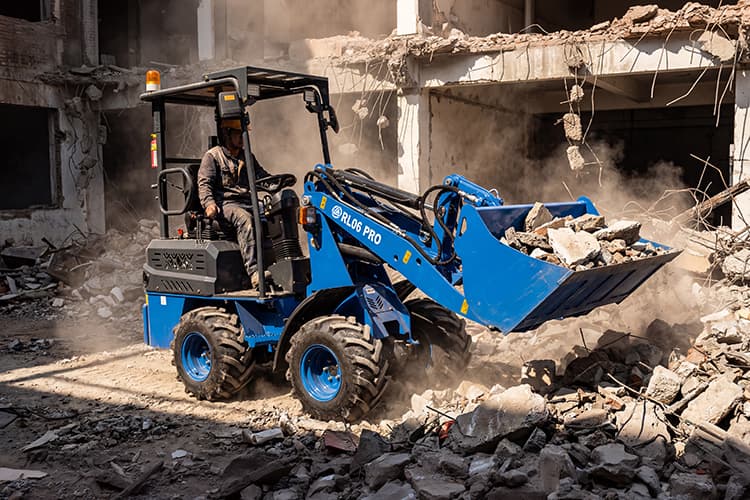
2. Inspect the Exterior and Structural Components
A visual inspection can help identify shipping preparation issues and visible damage before the machine is dispatched.
Walk around the wheel loader and examine the main structural areas.
Frame and Body
Look for visible cracks, deformation, loose panels, and signs of abnormal repair work. Pay attention to connection areas and exposed structural components.
Tires and Wheels
Check that the tires match the confirmed order. Inspect the visible tire condition, wheel assembly, and fastening points for obvious damage or missing components.
Bucket and Loader Arms
Inspect the bucket, cutting edge, loader arms, and visible connection points. Look for deformation, cracks, loose fasteners, or damage to exposed surfaces.
Hydraulic Cylinders and Hoses
Check the visible condition of hydraulic hoses, fittings, cylinder surfaces, and connection points. Look for signs of leakage, abrasion, or damaged protective components.
Lights, Mirrors, and External Accessories
Confirm that the ordered external accessories are present and that visible components are securely installed.
Record any issue with photographs and include the machine identification information so that the manufacturer can identify the correct unit.
3. Check the Engine and Hydraulic System
The engine and hydraulic system are important parts of a wheel loader's operating performance. Their inspection should follow the manufacturer's recommended procedures and should be carried out by qualified personnel.
For the engine, check:
Visible oil or fluid leakage
Cooling system connections
Fuel system connections
Battery installation and wiring
Unusual noise or warning indicators during operation
For the hydraulic system, check:
Visible hose and fitting condition
Hydraulic fluid leakage
Cylinder movement
Abnormal vibration or noise
Response during the recommended functional test
Do not dismantle components or perform procedures that may affect the machine's warranty or safety. If an abnormal condition is found, document it and request clarification from the manufacturer before shipment.
4. Test the Main Operating Functions
A wheel loader should be inspected under an appropriate and controlled operating procedure. The test area should be suitable, and the inspection should be performed by trained personnel.
Important functions to verify include:
| Inspection item | What to check |
|---|---|
| Engine start | Starting process and warning indicators |
| Steering | Response and smooth operation |
| Forward and reverse | Correct response to operating controls |
| Loader arms | Lifting and lowering functions |
| Bucket movement | Tilting and positioning response |
| Braking system | Operation according to the manufacturer's procedure |
| Dashboard | Display, indicators, and visible warnings |
| Lights and controls | Function of installed electrical components |
A short demonstration video can provide useful evidence for overseas buyers. However, video should supplement rather than replace a proper inspection.
If a function does not operate as expected, record the condition and ask the manufacturer to resolve it before the machine is approved for dispatch.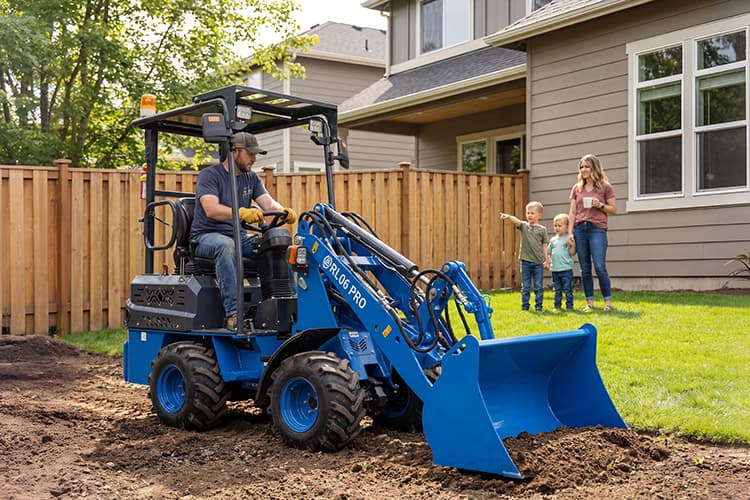
5. Verify the Operator Area and Safety Equipment
The operator area should be checked for condition, completeness, and correct installation.
Depending on the ordered configuration, inspect:
Seat condition and adjustment
Control levers and pedals
Dashboard and instrument display
Mirrors and visibility
Seat belt
Access steps and handholds
Doors, windows, and cab components where applicable
Operator manual and safety labels
Confirm that the machine's operating controls are clearly identified and that the documentation supplied with the machine corresponds to its configuration.
For international orders, buyers should also confirm whether additional documentation or market-specific safety requirements apply in the destination country.
6. Check Documents and Shipment Preparation
Physical inspection is only one part of the pre-delivery process. Documentation and shipping preparation are equally important for overseas equipment importers.
Before shipment, confirm the following:
Commercial documents: Check that the model, quantity, and other order details match the agreed purchasing documents.
Product documentation: Confirm the availability of the applicable operation manual, maintenance information, and product materials.
Compliance documents: Verify which certificates or declarations are applicable to the machine and the destination market. Do not assume that one document automatically satisfies every country's requirements.
Spare parts and accessories: Compare the packing list with the items included in the order.
Machine identification: Record the machine identification information for each unit.
Packaging and loading: Confirm that the machine has been prepared according to the agreed shipping method and that vulnerable components are appropriately protected.
Shipping records: Keep photographs of the machine before loading and retain the relevant shipment documents.
For dealers importing multiple wheel loaders, maintaining a separate inspection record for each unit makes it easier to trace issues after arrival.
7. Common Mistakes During Wheel Loader Inspection
Some problems arise not because buyers ignore inspection entirely, but because the process is too general.
Avoid these common mistakes:
Checking only the appearance: A clean exterior does not confirm that all operating functions work correctly.
Inspecting only one machine in a batch: Each unit should be checked against its own order details.
Ignoring optional equipment: Confirm that all agreed accessories are included.
Using outdated product information: Always refer to the latest documentation for the actual machine configuration.
Failing to record findings: Photographs and written inspection records make communication more precise.
Approving shipment before resolving issues: Any significant discrepancy should be clarified before dispatch.
A documented inspection process helps both manufacturers and buyers work from the same set of requirements.
Frequently Asked Questions
What should be included in a wheel loader pre-delivery inspection?
A typical inspection includes model and configuration verification, exterior condition, tires, bucket and loader arms, visible engine and hydraulic components, operating functions, operator safety equipment, documentation, and shipping preparation.
Can a wheel loader be inspected before it is shipped overseas?
Yes. Buyers can arrange a factory inspection, request an inspection report, or ask for photographs and videos of the actual machine. The inspection method should be agreed with the manufacturer before shipment.
Should dealers inspect every wheel loader in a wholesale order?
Ideally, every unit should receive an individual identity and configuration check. The extent of the physical and functional inspection can be agreed according to the order size and purchasing requirements.
Is a video inspection enough before buying a wheel loader?
A video can help verify visible details and demonstrate selected functions, but it may not reveal every issue. For larger orders, buyers should consider a structured inspection with documented results.
What documents should importers request from a wheel loader manufacturer?
Depending on the order and destination market, buyers may need the product manual, commercial documents, packing list, applicable compliance documents, and machine identification information. Requirements should be confirmed before shipment.
Final Checklist Before Approving Shipment
Before approving a wheel loader for dispatch, make sure that:
The machine matches the confirmed order.
The visible structure and components have been inspected.
The engine and hydraulic system have been checked appropriately.
Main operating functions have been tested.
Operator equipment and accessories are accounted for.
Relevant documents are ready.
Packaging and loading arrangements have been confirmed.
Any identified issues have been resolved or formally agreed.
Work with a Wheel Loader Manufacturer
A consistent pre-delivery inspection process helps overseas dealers and importers manage purchasing risks and maintain clearer communication with equipment manufacturers.
RIPPA offers wheel loader products for different equipment purchasing requirements. Buyers considering the RIPPA RL06 or other available models should confirm the exact configuration, included equipment, documentation, and shipping arrangements before placing an order.
Contact RIPPA to discuss wheel loader product information and wholesale purchasing requirements.