How to Become an Authorized Rippa Dealer in Your Country
The global demand for construction and agricultural equipment continues to rise as infrastructure development, urbanization, farming modernization, and rental equipment businesses expand across the world. For entrepreneurs, machinery distributors, equipment rental companies, and construction industry professionals, becoming an authorized equipment dealer presents a significant business opportunity.
Rippa has established itself as a trusted manufacturer of mini excavators, skid steer loaders, wheel loaders, forklifts, telehandlers, and construction attachments. With a growing international presence and a commitment to dealer success, Rippa offers a structured dealership program designed to help partners build sustainable and profitable businesses.
If you are interested in representing a rapidly growing machinery brand in your country, this guide explains how to become an authorized Rippa dealer, the requirements involved, and the benefits you can expect from the partnership.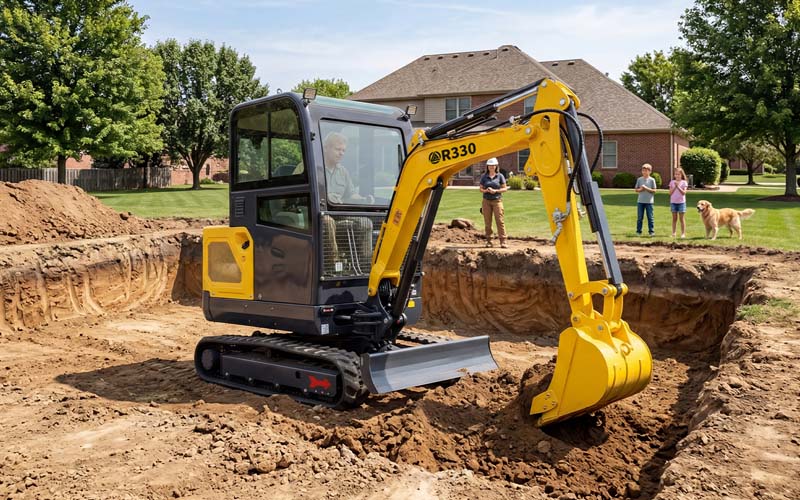
Why the Construction Equipment Dealership Business Is Growing
Before exploring the dealership application process, it is important to understand why machinery distribution remains one of the most attractive sectors in today's market.
Infrastructure Investment Continues Worldwide
Governments and private developers are investing heavily in:
Road construction
Housing projects
Industrial parks
Utility infrastructure
Renewable energy facilities
These projects require reliable earthmoving and material-handling equipment.
Growing Demand for Compact Equipment
Compact machinery such as mini excavators and skid steer loaders has become increasingly popular because of:
Lower operating costs
Easy transportation
Versatile applications
Accessibility in confined spaces
This trend creates excellent opportunities for equipment dealers.
Expansion of Equipment Rental Markets
Many contractors prefer renting equipment rather than purchasing new machines.
Rental companies continuously expand their fleets, creating consistent demand for high-quality machinery suppliers.
What Is an Authorized Rippa Dealer?
An authorized Rippa dealer is an officially recognized business partner responsible for promoting, selling, and supporting Rippa equipment within a designated market.
Authorized dealers typically provide:
Equipment sales
Spare parts support
Technical assistance
Customer consultation
Warranty service
Local marketing activities
By becoming an authorized dealer, businesses gain direct access to factory resources and support systems.
Benefits of Becoming an Authorized Rippa Dealer
Partnering with a manufacturer should provide more than product access. Successful dealership relationships create mutual growth opportunities.
Access to Factory-Direct Pricing
One of the most significant advantages of becoming a Rippa dealer is direct manufacturer pricing.
This enables dealers to:
Increase profit margins
Compete effectively in local markets
Offer attractive pricing to customers
Improve overall business profitability
Exclusive Territory Opportunities
In selected markets, Rippa may offer territory protection to qualified dealers.
Benefits include:
Reduced local competition
Stronger market positioning
Increased customer confidence
Better return on marketing investments
Territory policies vary depending on market size and dealer capabilities.
Comprehensive Marketing Support
Marketing is often one of the biggest challenges for new dealers.
Rippa supports dealer growth through:
Product brochures
Professional photography
Product videos
Technical specifications
Website resources
Social media content
Exhibition support
These resources help dealers launch marketing campaigns more effectively.
Product Training and Technical Support
Knowledgeable dealers create better customer experiences.
Authorized partners receive support in:
Product knowledge
Equipment operation
Maintenance procedures
Diagnostics
Warranty processes
Parts management
This training improves customer satisfaction and long-term retention.
Access to a Full Product Portfolio
Rippa dealers can offer customers a broad range of machinery.
Excavators
Including:
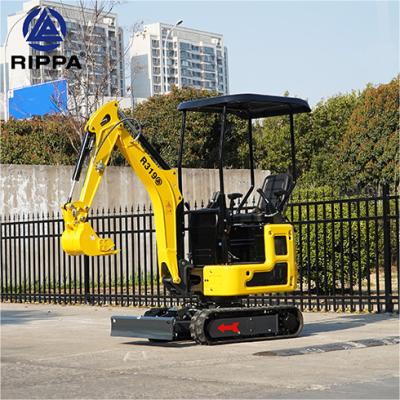
1.5 Ton Mini Excavators
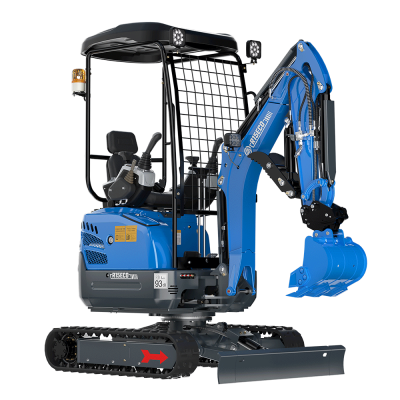
2 Ton Mini Excavators
3.5 Ton Excavators
5 Ton Excavators
15 Ton Excavators and above
Popular models include:
R10 ECO
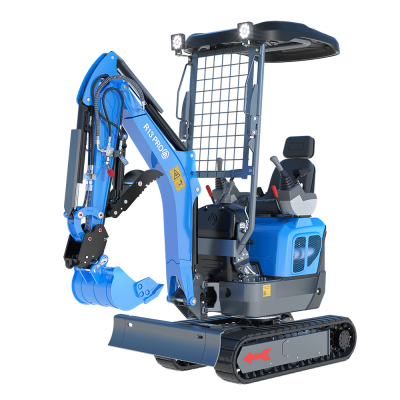
R13 PRO
R15
R18 PRO
R22
R32 PRO
R57
R150
Loaders
Skid Steer Loaders
Wheel Loaders
Backhoe Loaders
Material Handling Equipment
Electric Forklifts
Diesel Forklifts
Telehandlers
Attachments
Hydraulic Breakers
Augers
Grapples
Buckets
Rippers
Quick Hitches
Offering multiple equipment categories increases sales opportunities.
Requirements to Become a Rippa Dealer
Not every applicant automatically qualifies for dealership status.
Rippa seeks long-term partners committed to business growth and customer service.
Business Registration
Applicants should have:
A legally registered company
Relevant business licenses
Import qualifications where applicable
Established equipment businesses often have advantages, but new entrants may also qualify.
Sales Capability
Successful dealers typically possess:
Existing customer relationships
Industry knowledge
Sales experience
Market development plans
The ability to generate consistent sales is an important consideration.
Service Commitment
Equipment customers expect reliable support after purchase.
Dealers should be prepared to provide:
Basic maintenance services
Technical consultation
Spare parts management
Warranty coordination
Strong service capabilities help build long-term customer loyalty.
Market Development Strategy
Applicants are encouraged to present a business plan outlining:
Target industries
Geographic coverage
Marketing strategies
Sales projections
Customer acquisition plans
A clear growth strategy demonstrates commitment to partnership success.
Step-by-Step Process to Become a Rippa Dealer
Understanding the application process helps prospective partners prepare effectively.
Step 1: Submit an Inquiry
Interested businesses contact the Rippa dealer development team.
Information typically requested includes:
Company profile
Business history
Market experience
Target sales region
Product interests
Step 2: Initial Evaluation
Rippa reviews the application to assess:
Market potential
Dealer qualifications
Industry experience
Growth opportunities
This evaluation helps determine partnership suitability.
Step 3: Business Discussion
Qualified applicants participate in discussions covering:
Market strategy
Product positioning
Sales targets
Dealer support programs
Territory opportunities
This stage ensures both parties share similar expectations.
Step 4: Dealer Agreement
Once approved, both parties finalize dealership arrangements.
Topics may include:
Product lines
Pricing structure
Marketing support
Territory coverage
Sales objectives
Step 5: Product Training
Authorized dealers receive onboarding support.
Training may include:
Product specifications
Competitive advantages
Maintenance procedures
Spare parts systems
Well-trained dealers typically achieve faster market penetration.
Step 6: Market Launch
After onboarding, dealers begin introducing Rippa products to local customers through:
Digital marketing
Trade shows
Equipment demonstrations
Dealer websites
Social media campaigns
Direct sales efforts
How Rippa Supports International Dealers
Successful partnerships require continuous support.
Rippa assists global dealers through several initiatives.
Manufacturing Strength
Advanced production facilities ensure:
Consistent quality
Reliable supply
Strict quality control
Scalable production capacity
Overseas Warehousing
Strategically located warehouses help improve:
Delivery speed
Spare parts availability
Customer satisfaction
This reduces downtime and enhances dealer competitiveness.
Product Innovation
Rippa continually invests in:
New machine designs
Improved hydraulic systems
Enhanced fuel efficiency
Operator comfort improvements
Electric equipment solutions
Dealers benefit from offering modern products that meet evolving customer needs.
Industries That Offer the Greatest Dealer Opportunities
Authorized dealers can target multiple industries.
Construction
Residential projects
Commercial developments
Infrastructure construction
Agriculture
Land management
Irrigation projects
Farm maintenance
Landscaping
Tree planting
Hardscaping
Property development
Municipal Services
Utility maintenance
Public works projects
Equipment Rental
Short-term rentals
Long-term fleet contracts
Diversification helps stabilize revenue streams.
Tips for Building a Successful Rippa Dealership
The most successful dealers share several common practices.
Focus on Customer Service
Satisfied customers generate referrals and repeat business.
Maintain Spare Parts Inventory
Quick service response times improve customer trust.
Invest in Marketing
Use digital advertising, local events, and equipment demonstrations.
Develop Long-Term Relationships
Strong customer relationships often lead to fleet expansion opportunities.
Continuously Train Staff
Knowledgeable teams create better buying experiences and improve closing rates.
The Future of the Rippa Dealer Network
As global demand for compact construction equipment continues growing, Rippa remains focused on expanding its international dealer network.
Future initiatives include:
New product introductions
Expanded logistics infrastructure
Enhanced dealer marketing programs
Digital support systems
Increased global brand awareness
These developments create long-term opportunities for dealer partners.
Conclusion
Becoming an authorized Rippa dealer is an excellent opportunity for businesses seeking growth in the construction and agricultural equipment industry.
With factory-direct pricing, comprehensive dealer support, product training, marketing resources, and a diverse equipment portfolio, Rippa provides partners with the tools needed to compete successfully in local markets.
Whether you currently operate an equipment dealership, rental company, agricultural supply business, or construction service company, joining the Rippa dealer network can open the door to new revenue streams, stronger customer relationships, and sustainable business growth.